Description
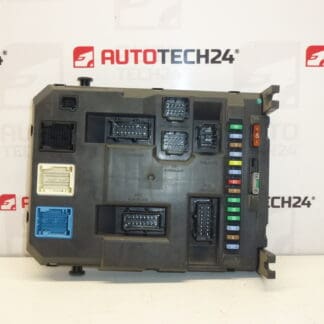
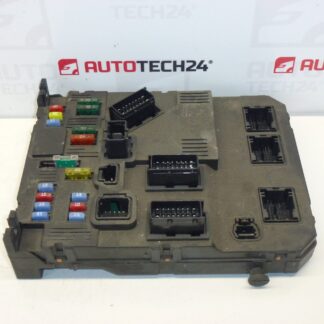
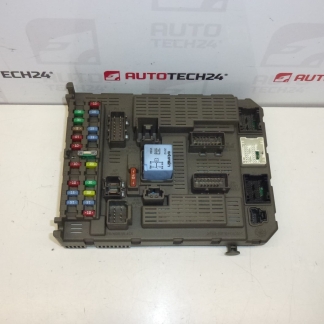
LEAR BSI Control Unit For CITROËN C5
This LEAR BSI (Body System Interface) control unit is designed for Citroën C5 vehicles and manages multiple comfort and convenience functions across the car’s electrical network. Ideal for professional workshops and experienced DIY mechanics, this module is commonly searched by its part number 9645352980. Replacing a faulty BSI restores central locking, lighting, wipers, window controls, alarm and many body-related functions affected by the comfort module.
Key Features And Benefits
– Direct replacement for BSI modules bearing part number 9645352980. Useful search keywords: BSI 9645352980, Lear BSI Citroën C5, Citroen comfort module.
– Centralised control of doors, interior lights, wipers, electric windows, alarm and certain instrument cluster signals.
– Restores vehicle comfort functions and communication on the CAN/vehicle network when the original unit is faulty.
– Suitable for mechanics and skilled DIYers familiar with vehicle electrical systems and coding procedures.
Technical Information
- Manufacturer: LEAR
- Model: Citroën C5
- Product Codes: 9645352980
- Other Numbers: Not Available
Installation And Coding – Important
– The Unit Is Used And Is “Paired” With The Original Vehicle (VIN/PIN/Keys).
– Options To Commission The Unit:
1) Cloning Data From The Old Unit (EEPROM/Flash) – After Cloning The Unit Is Plug And Play.
2) Virginization And Subsequent Initialization/Telecoding Via DiagBox (Or Online) + Key Adaptation.
– Recommended To Be Performed By A Specialist With PSA Service Equipment (DiagBox/Lexia/PP2000).
– Always Disconnect The Battery Before Removal/Installation And Follow Manufacturer Procedures To Avoid Damaging The Unit.
Installation Recommendations
Before starting, ensure you have the correct part number (9645352980) and the necessary diagnostic tools for coding. Typical installation steps: disconnect the negative battery terminal; remove the lower dashboard trim/panel to access the BSI; carefully unplug wiring harness connectors (check for corrosion or bent pins); remove mounting fasteners and extract the module; install the replacement module in the reverse order, ensuring connectors are fully seated and fasteners torqued to manufacturer recommendations. After mechanical installation, perform cloning or coding with DiagBox or equivalent to restore vehicle-specific configurations and immobilizer data.
Why This Part Most Commonly Fails
BSI modules commonly fail due to water ingress or moisture leading to corrosion, voltage spikes from jump-starts or faulty charging systems, and degraded solder joints from thermal cycling. Poor connector contacts or contamination can cause intermittent faults. Symptoms of a failing BSI include central locking failures, lights behaving erratically, non-functional power windows, loss of alarm/remote functions, and communication errors on diagnostic tools. In some cases, a corrupted memory area prevents normal operation until cloned or reinitialized.
Compatibility Notes
Compatible with Citroën C5 vehicles equipped with a LEAR BSI identified by part number 9645352980. Verify the printed part number on the original unit before replacement to ensure fitment. This listing references the OE code 9645352980 (Stellantis/PSA).