Description
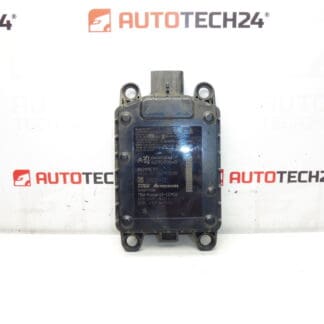
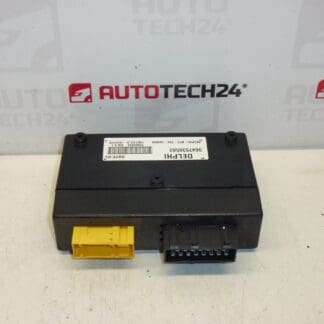
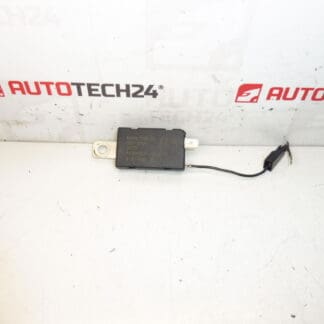
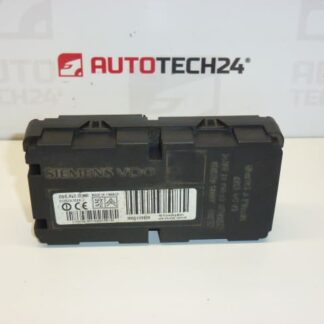
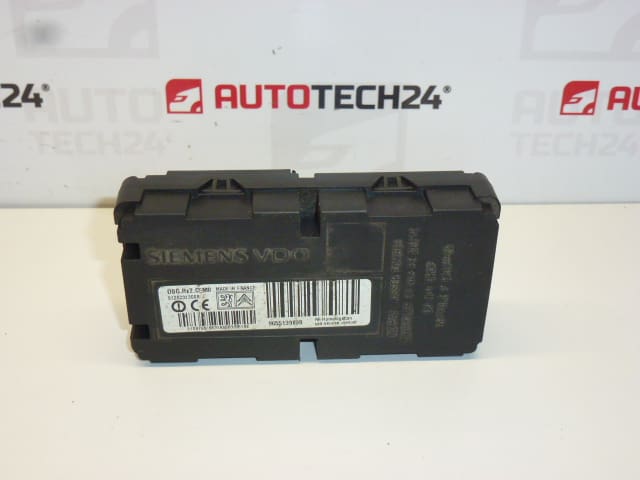
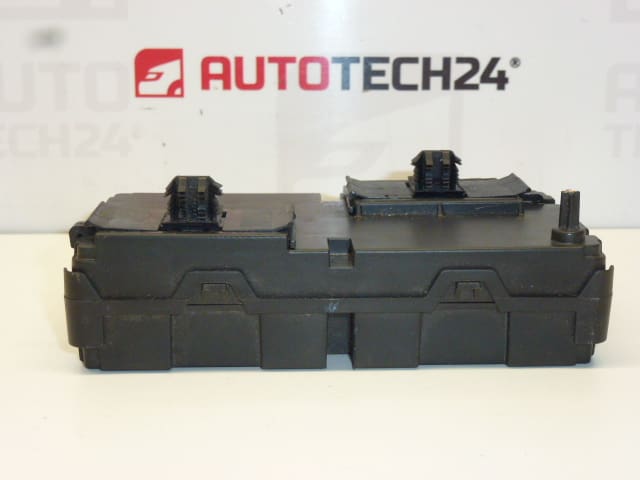
Control Unit For Tire Pressure Monitoring For Peugeot 307
Overview
This Tire Pressure Monitoring System (TPMS) control unit is designed for Peugeot 307 vehicles and manages the reception and processing of signals from wheel pressure sensors. The unit monitors tire pressure in real time, reports low-pressure conditions to the instrument cluster and helps maintain driving safety and tyre life. Ideal for professional garages and experienced DIY mechanics who search by OE number (see Technical Information below).
Key Features And Benefits
- Direct replacement for original TPMS control module with matching OE part codes.
- Restores accurate tyre pressure monitoring and dashboard warnings.
- Helps maintain vehicle safety systems and prevents uneven tyre wear.
- Suitable for workshops and self-repair enthusiasts—fits established mounting and connector patterns for Peugeot 307.
How It Works
The unit receives wireless signals from individual tyre pressure sensors (TPMS sensors), decodes pressure and sensor ID data, and communicates status and fault messages to the vehicle’s cluster. When a sensor reports low pressure or fails, the control unit triggers the appropriate warning lamp and stores related fault codes in the vehicle network.
Replacement Procedure (General Guidance)
Replacement should be performed by a knowledgeable technician or an experienced DIYer with basic automotive electrical skills. Typical steps:
- Disconnect the negative battery terminal before any work on the electrical system to avoid short circuits and protect electronics.
- Locate the TPMS control unit (position varies by build; consult vehicle repair manual). Carefully remove trim or panels to access the module.
- Unplug the electrical connector and remove mounting fasteners.
- Fit the replacement unit, secure mounting fasteners and reconnect the connector.
- Re-connect the battery and perform TPMS initialization/relearn using a dedicated TPMS tool or diagnostic equipment. Clear stored fault codes and verify correct operation by checking the cluster for faults and making a short test drive.
Installation Recommendations
- Always Disconnect The Battery Before Removal And Follow The Manufacturer’S Procedures To Prevent Damage To The Unit.
- Use A TPMS Diagnostic Tool To Relearn Or Register Sensor IDs After Installation; Without Relearning The System May Show Faults.
- Inspect Connectors For Corrosion And Wiring Harness For Damage Before Reinstallation.
- Avoid Exposure To Water During Installation; Ensure Seals And Grommets Are Intact To Prevent Moisture Ingress.
- If Uncertain, Have The Module Configured And Checked With Professional Diagnostic Equipment.
Technical Information
- Manufacturer: Stellantis (Citroën / Peugeot)
- Model: Peugeot 307
- Product Codes: 9655139880, S120231300B
- Additional Numbers: S120231300C
Why This Part Fails Most Often
TPMS control units are generally reliable but can fail due to water ingress and corrosion of connectors, electrical surges, poor grounding, or physical damage from impacts. Failures also occur when internal electronic components degrade with age or after incidents that affect vehicle wiring. Symptoms include TPMS warning lamp illuminated, intermittent warnings, or loss of sensor communication.
Practical Tips For Troubleshooting
- Check For Stored Fault Codes With A Diagnostic Tool To Identify Communication Or Sensor Errors.
- Verify Sensor Batteries And RF Signal Strength; A Failed Sensor Can Appear As A Module Fault.
- Inspect Wiring And Connectors For Corrosion Or Mechanical Damage Before Replacing The Module.
- After Replacement, Perform A Full TPMS Relearn And Clear Fault Codes; Confirm Operation On A Short Test Drive.
Suitable For
Owners and workshops working on Peugeot 307 models who need a direct-fit TPMS control unit by the listed OE numbers. This listing is optimized for searches by part number (OE codes) and common TPMS keywords to help professionals find the correct replacement quickly.
Note
Always compare the OE numbers listed in Technical Information with the unit being replaced to ensure compatibility. Proper initialization/relearn of sensors is required for correct system operation after installation.