Description
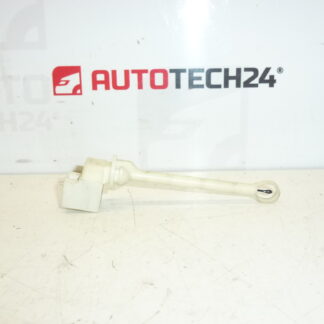
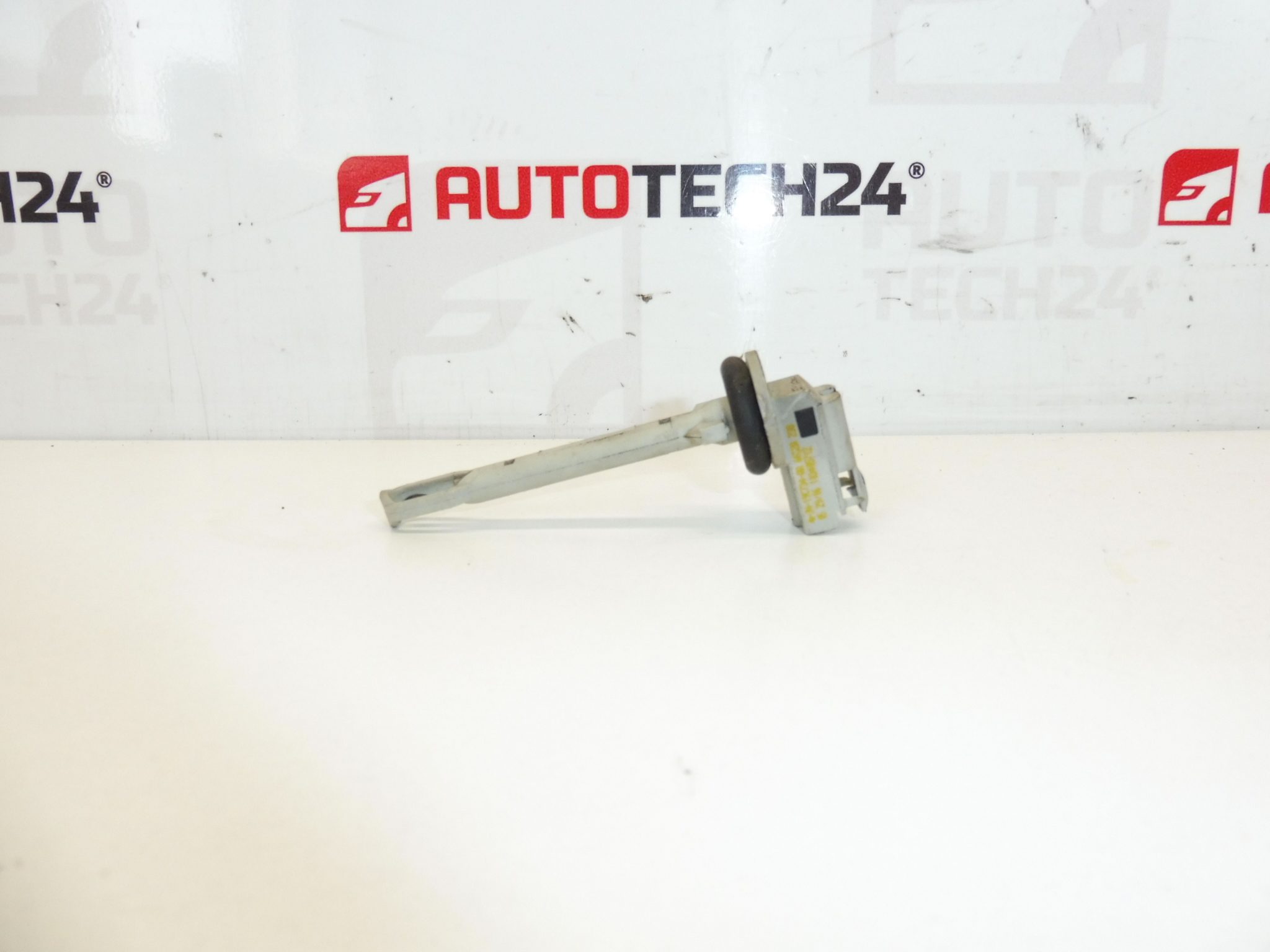
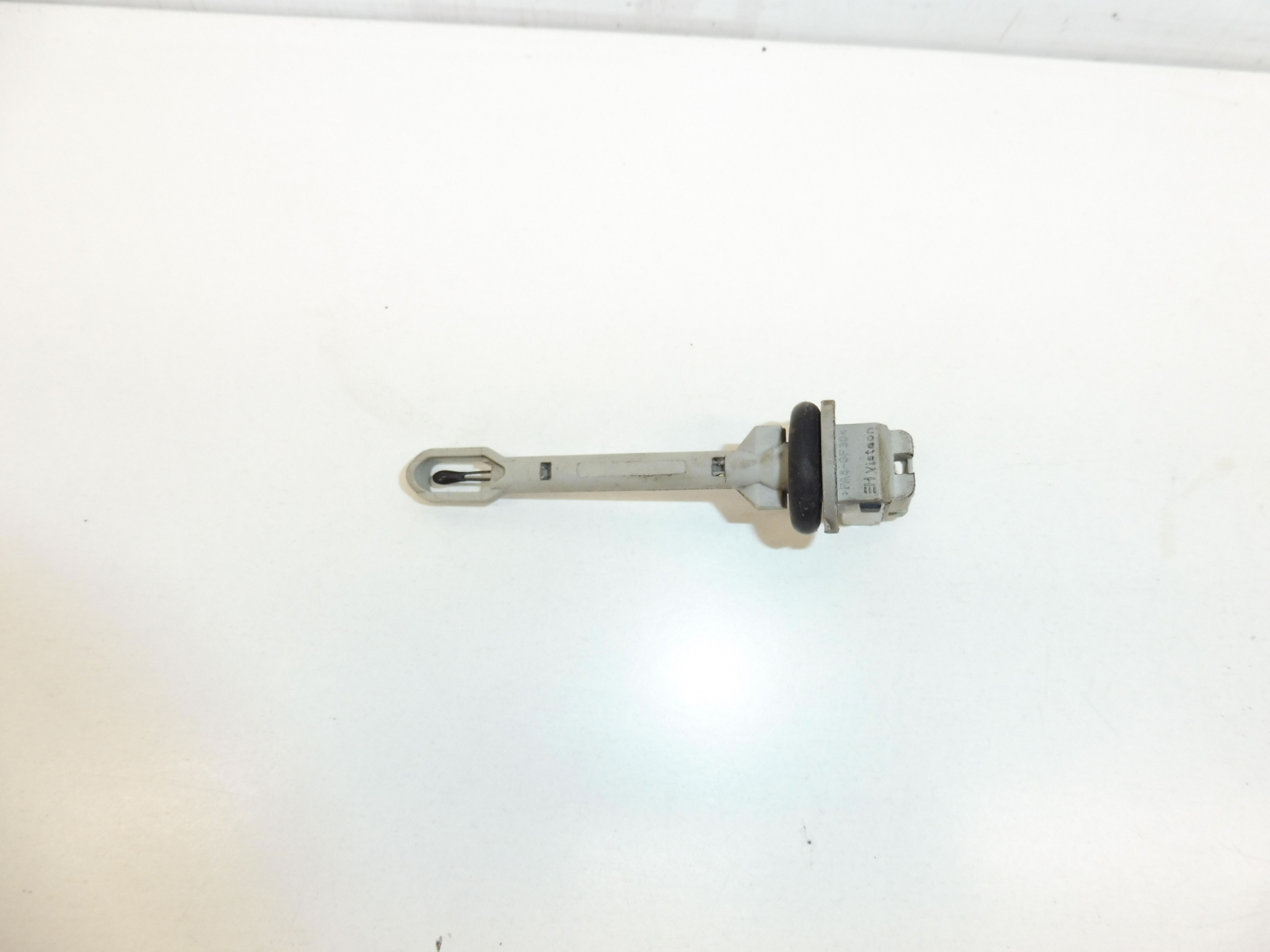
Interior Air Temperature Sensor For CITROËN And PEUGEOT Vehicles. Evaporator Probe
Product Overview
This Interior Air Temperature Sensor (evaporator probe) is designed for select Citroën and Peugeot vehicles and is used by professional workshops and DIY mechanics. The sensor measures the temperature of the air around the evaporator or inside the HVAC housing and provides an input to the climate control system to regulate heating, ventilation and air conditioning for stable cabin comfort. Frequently searched under the product code 6445TZ, this part is suitable where the original sensor has failed or gives incorrect temperature readings.
How It Works
The sensor monitors cabin/evaporator air temperature and sends an electrical signal to the vehicle’s climate control module. The control unit uses that signal to adjust compressor operation, blend doors and blower speed to maintain the requested cabin temperature. A faulty sensor can cause incorrect temperature display, poor AC performance or continuous compressor cycling.
Technical Information
- Manufacturer: Stellantis (Citroën / Peugeot)
- Model: Citroën C5 (and Various Citroën And Peugeot Models)
- Product Codes: 6445TZ
- Other Numbers: NFP
Recommended Installation
Before starting, isolate the electrical system to avoid short circuits. Access typically requires removal of lower dashboard panels or the glovebox to reach the HVAC housing and evaporator area. Steps generally include:
- Disconnect Battery Or Isolate Power Where Appropriate.
- Remove Necessary Trim Or Glovebox To Reach The HVAC Housing.
- Unplug The Electrical Connector And Release Any Retaining Clip Or Screw Holding The Sensor.
- Install The New Sensor In The Correct Orientation, Secure Fasteners And Reconnect The Connector.
- Reassemble Trim, Reconnect Battery And Verify Climate Control Operation And Temperature Readings.
Use appropriate hand tools, avoid bending or damaging the sensor tip, and ensure connectors are clean and fully engaged. If access is limited, professional workshop tools or partial disassembly of the dash may be required.
Why The Part Usually Fails
- Moisture And Corrosion: Condensation inside the HVAC box or ingress of water can corrode the sensor or connector pins.
- Contamination: Dust, debris or chemical residues can affect the sensor element and its readings.
- Mechanical Damage: Damage during previous servicing or from foreign objects in the HVAC housing.
- Wiring And Connector Issues: Broken wires, poor contacts or oxidized terminals cause intermittent or lost signals.
Typical symptoms of failure include incorrect temperature display, poor automatic climate regulation, extended compressor runtimes or inability to reach set temperatures.
Compatibility And Ordering
This sensor is commonly sought by part number 6445TZ. Confirm fitment against vehicle parts lists or documentation for the Citroën/Peugeot model in question. Ideal For Workshops And Experienced DIYers Replacing Faulty HVAC Temperature Inputs.
Purchase Advice
If your vehicle exhibits climate control inaccuracies or error codes related to cabin temperature sensing, replacing the evaporator/cabin temperature sensor with the correct 6445TZ unit is a direct way to restore proper operation. Order now to reduce workshop downtime and restore reliable climate control performance.