Description
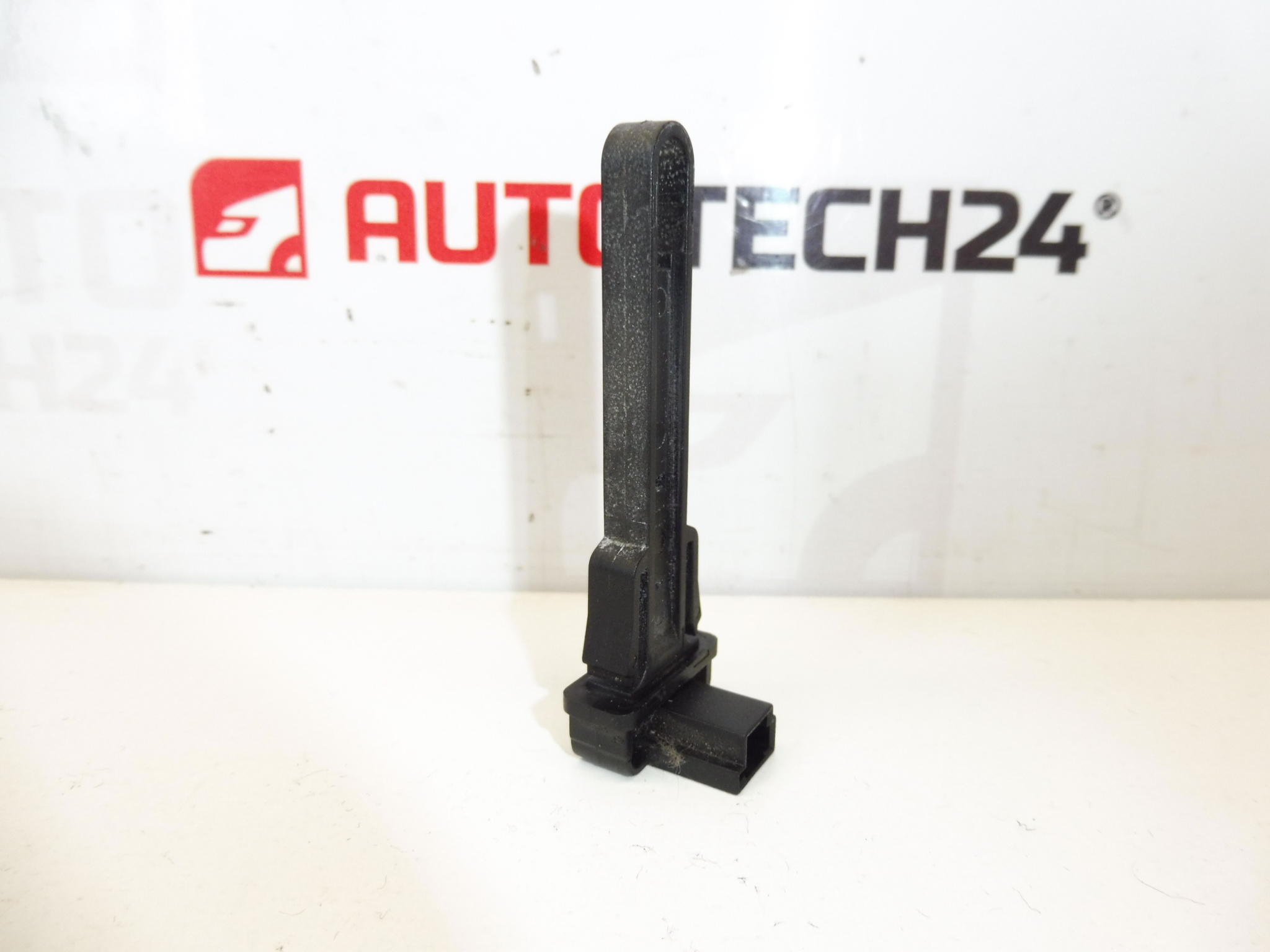
Interior Air Temperature Sensor for Citroën and Peugeot Vehicles
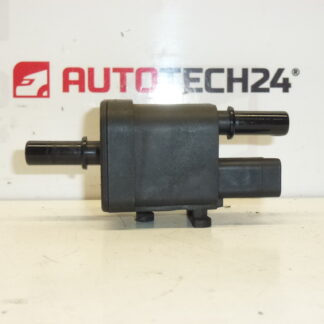
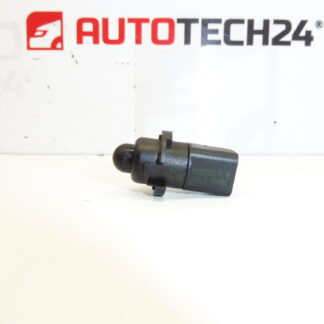
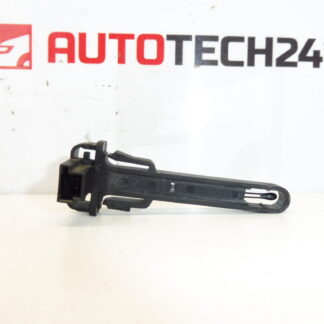
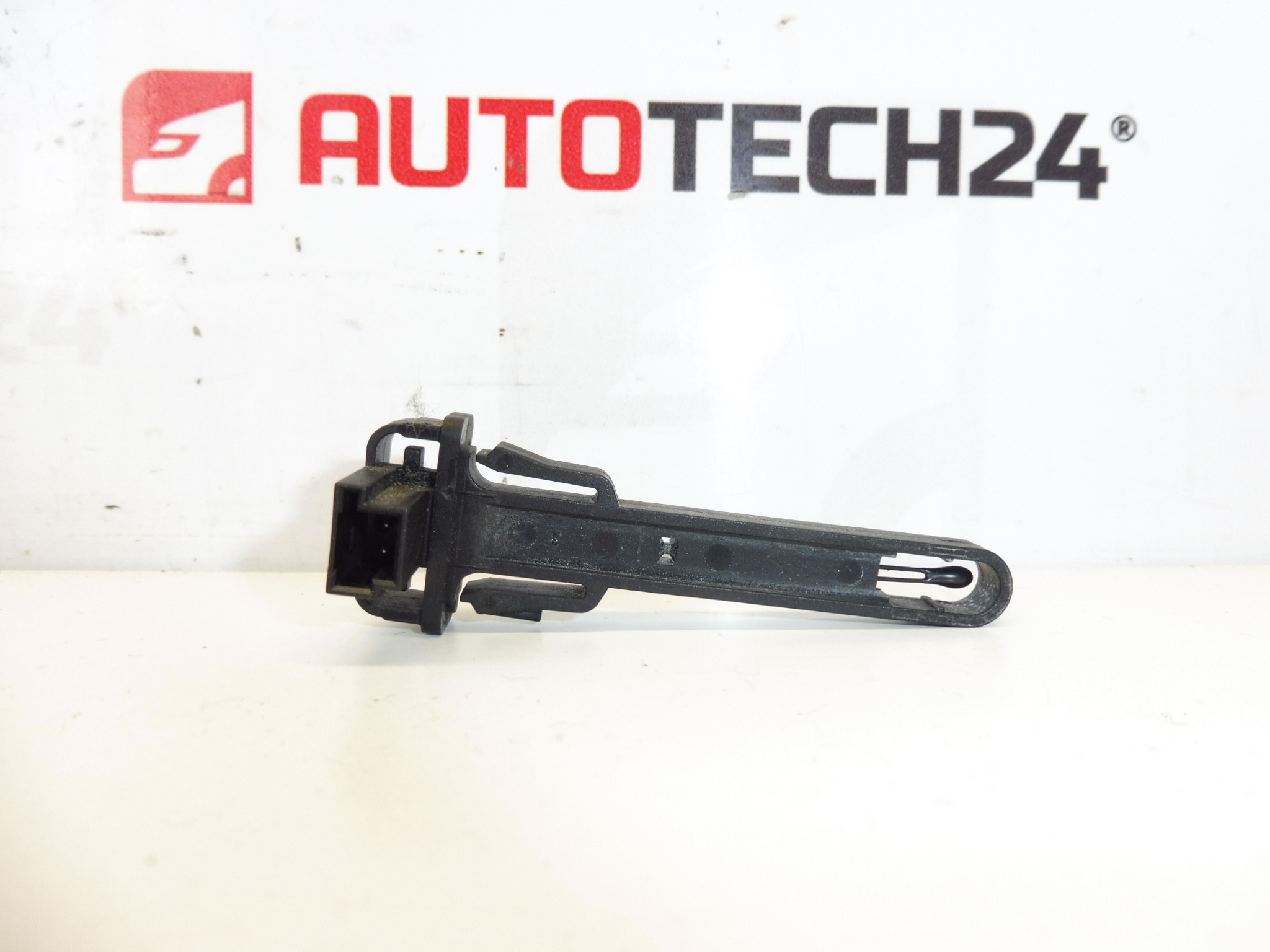
This interior air temperature sensor (cabin temperature sensor) is designed for Citroën and Peugeot applications and is commonly referenced by the code 6445YY. It provides the control unit with a precise cabin temperature reading used by automatic climate control systems to regulate heating, ventilation and air conditioning (HVAC), improving passenger comfort and system efficiency. Suitable for professional workshops and experienced DIY mechanics, this sensor helps restore correct climate responses, reduce unnecessary compressor cycling and eliminate incorrect fan speeds caused by faulty temperature feedback.
Technical Information
- Manufacturer: Stellantis (Citroën / Peugeot)
- Model: Citroën C5 X7; Peugeot 307; Peugeot 407
- Product Codes: 6445YY
- Additional Numbers: No Additional Numbers Provided
Installation Recommendation
Follow these general steps to replace the cabin temperature sensor. Procedures can vary by model and year, so consult the vehicle service manual for exact instructions:
- Turn Off Ignition And Protect Electrical System: Switch ignition off. For safety and to avoid fault codes, remove or isolate the negative battery terminal if recommended by the vehicle manual.
- Access Sensor Location: The sensor is typically mounted in the dashboard area near central vents or inside the HVAC housing (often behind trim pieces, under the glovebox or center console). Carefully remove surrounding trim panels to reach the sensor without breaking clips.
- Disconnect Connector: Unplug the electrical connector and release any retaining clip or screw holding the sensor in place.
- Replace Sensor: Remove the old sensor and install the new unit in the same orientation. Secure the sensor, reconnect the electrical plug and reassemble trim panels.
- Verify Operation: Reconnect the battery if it was disconnected, start the vehicle and check the HVAC operation. Confirm cabin temperature readings respond normally and that automatic climate control adjusts fan speed and A/C operation as expected.
Common Failure Causes
Understanding why these sensors fail helps diagnose related HVAC problems faster:
- Moisture Ingress And Condensation: Prolonged exposure to humidity or water can corrode sensor elements or connectors.
- Connector Corrosion Or Poor Contacts: Oxidized or loose pins cause intermittent or incorrect readings.
- Thermal Cycling And Aging: Repeated heating and cooling over many years can degrade the sensing element.
- Contamination And Dust Buildup: Dirt on the sensor tip alters temperature measurement accuracy.
- Mechanical Damage During Repairs: Sensor or wiring can be damaged when removing dash trim or during other HVAC work.
Typical symptoms of a failing interior temperature sensor include incorrect cabin temperature display, erratic automatic climate control, frequent compressor cycling, or persistent comfort complaints from occupants. If you see these signs and the vehicle matches the listed model references or the product code 6445YY, replacing the sensor often restores proper HVAC function.