
Description
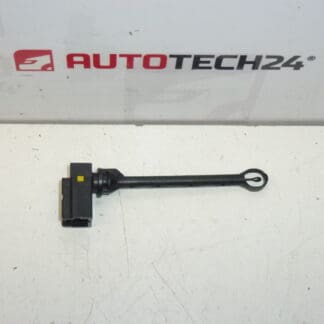
Fuel temperature sensor for CITROËN and PEUGEOT vehicles. Suitable for engines with SIEMENS 2.0 HDi injection RHR RHK and others.
The 1579HF fuel temperature sensor provides reliable temperature feedback from the fuel circuit so the engine control unit can precisely adjust injection timing and quantity for 2.0 HDi diesel engines. Designed for applications with SIEMENS fuel injection, this sensor is frequently requested under the part number 1579HF and fits a range of Citroën and Peugeot models. Ideal for workshop technicians and experienced DIYers who need a direct-fit replacement to restore correct fuel metering, improve cold starts and stabilize running behavior.
Technical Information
- Manufacturer: Stellantis (Citroën / Peugeot)
- Model: Citroën C4, Citroën C4 Picasso, Citroën C5, Citroën C5 X7, Citroën C8, Peugeot 307, Peugeot 407, Peugeot 807
- Product Codes: 1579HF
- Additional Numbers: Compatible With SIEMENS 2.0 HDi Injection — Engine Codes RHR, RHK
Function And Symptoms
The fuel temperature sensor measures the temperature of the fuel and sends this signal to the engine control unit. The ECU uses that data to correct fuel density calculations and injection quantity, especially during cold starts or rapid temperature changes. A faulty sensor can cause hard starting, unstable idle, increased smoke, poor fuel economy or trigger engine management warning lights and adaptation faults.
Common Failure Causes
Most failures are caused by long-term exposure to contaminated fuel, ingress of water, corrosion of the electrical connector, mechanical damage during servicing or degradation from heat and vibration. Electrical contact issues in the connector and internal sensor element drift are typical reasons for incorrect temperature readings.
Replacement And Installation Recommendations
- Preparation: Work on a cool engine, relieve fuel system pressure and disconnect the battery before starting.
- Removal: Disconnect the electrical connector, unscrew the sensor from its mounting point (fuel rail or fuel line fitting) and carefully extract it to avoid spilling fuel.
- Installation: Fit the new sensor with the correct sealing washer or O-ring, tighten to the manufacturer’s torque specification, reconnect the electrical connector and re-pressurize the fuel system while checking for leaks.
- Aftercare: Clear any stored ECU fault codes and perform a basic running check; allow the ECU to perform adaptation routines if necessary.
Service Life And When To Replace
There is no fixed replacement interval; the sensor typically lasts many years under normal conditions. Replace when symptoms occur or during fuel system servicing if the sensor shows poor electrical characteristics. Early replacement is recommended if the connector or sealing elements are visibly deteriorated.
Searching by the part number 1579HF is a fast way to find the correct unit for workshops and independent mechanics. This direct-fit sensor restores accurate temperature feedback, helping the engine run more reliably, reduce emissions and maintain fuel economy.