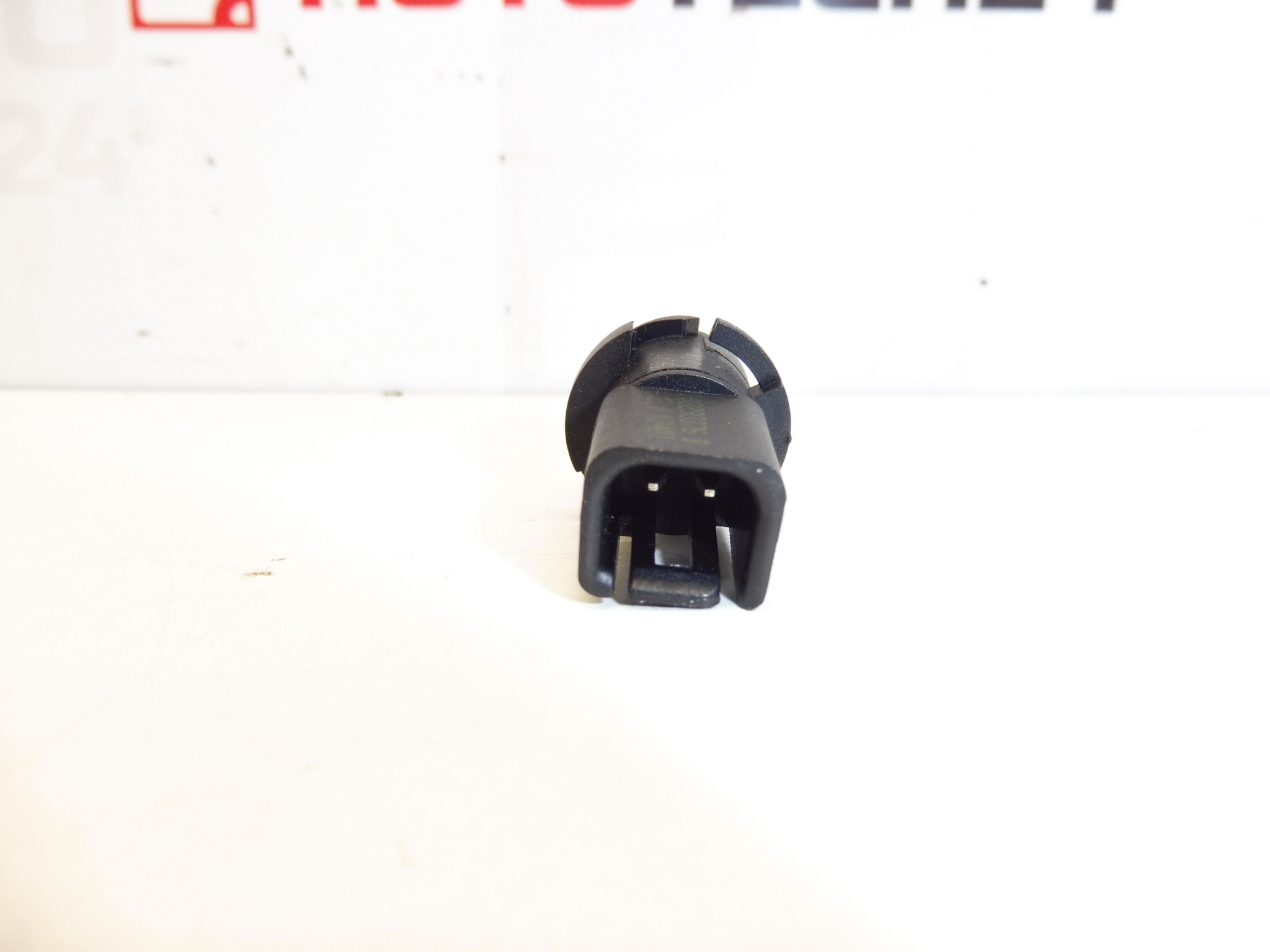
Description
Sunlight Intensity Sensor Suitable For Peugeot 307, 308, 406, 3008 And 5008 And Citroën C4
Product Overview
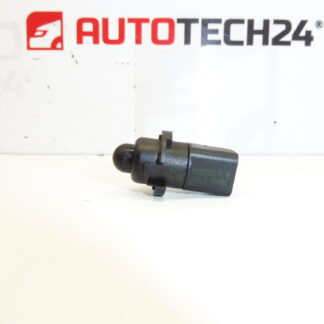
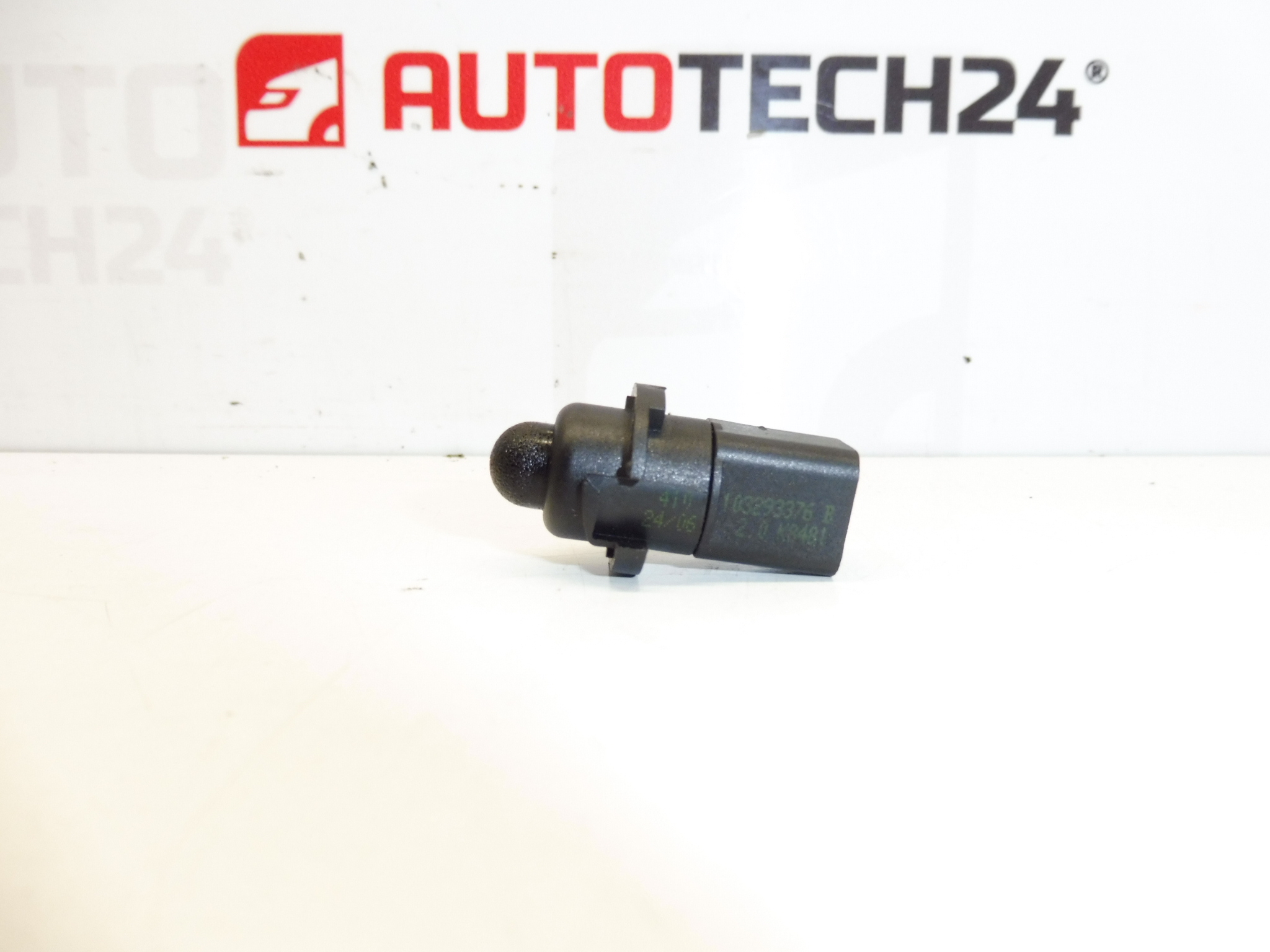
OEM Sunlight Intensity Sensor (Solar Load Sensor) for Citroën and Peugeot vehicles. Supplied under references 9833418780 / 6445NH, this sensor measures incoming solar radiation and provides the climate control unit with the sun load signal to automatically regulate cabin temperature and blower speed. Designed for professional workshops and experienced DIY mechanics, the sensor ensures proper operation of automatic HVAC functions and contributes to a comfortable cabin environment under varying sun exposure.
Key Benefits
- Direct fit for listed Citroën/Peugeot models — straightforward replacement for original unit numbers 9833418780 and 6445NH.
- Restores Correct Sun Load Compensation — Prevents Overcooling Or Overheating Due To Direct Sunlight.
- Improves Climate Comfort And Reduces Unnecessary Fan Runtime.
- Compact, Plug-In Design For Faster Workshop Replacement.
Compatibility
Typical Application Models: Peugeot 307, Peugeot 308, Peugeot 406, Peugeot 3008 (I), Peugeot 5008 (I), Citroën C4. Always check part numbers against the vehicle build when carrying out a repair.
Technical Information
- Manufacturer: Stellantis (Citroën / Peugeot)
- Model: Sunlight Intensity Sensor / Solar Load Sensor
- Product Codes: 9833418780, 6445NH
- Other Numbers: OEM Reference 9833418780; Alternative Code 6445NH
Function And Typical Location
The sensor detects solar irradiance (sunlight intensity) and sends an electrical signal to the vehicle’s climate control module. The climate unit uses this information for sun load compensation—adjusting temperature setpoint and fan speed to maintain the selected cabin temperature. The sensor is typically mounted on the dashboard beneath the windshield (commonly near the centre or passenger-side area) where it has an unobstructed view of incoming sunlight.
Replacement Guide
Recommended For: Professional Mechanics And Experienced DIYers.
- Prepare Vehicle: Park on a level surface and switch off ignition. It is recommended to disconnect the negative battery terminal before performing electrical work.
- Access Sensor: Carefully remove the dashboard trim or bezel covering the sensor area. Use appropriate trim tools to avoid damaging clips and panels.
- Disconnect: Unplug the electrical connector from the sensor. Inspect connector and wiring for corrosion or damage.
- Remove Sensor: Release clips or screws holding the sensor and remove the unit from its seat.
- Install New Sensor: Fit the new sensor in the original position, secure with clips or screws, and reconnect the electrical plug.
- Reassemble And Test: Refit dashboard trim, reconnect the battery, start the vehicle and verify automatic climate control operation. On some models the climate system may perform an automatic self-check; if irregular behaviour persists, a diagnostic check or adaptation may be required.
Installation Recommendations
- Use Trim Tools To Prevent Interior Damage When Removing Dashboard Panels.
- Inspect Connector Pins And Wiring For Corrosion Or Mechanical Damage; Repair As Necessary To Avoid Intermittent Faults.
- After Installation, Verify That The Sensor Has An Unobstructed View Of The Sky (No Films Or Objects Blocking The Windshield Area Above The Sensor).
- If The Climate Control Still Behaves Incorrectly After Fitting, Perform A Diagnostic Scan Or Adaptation Procedure According To The Vehicle Service Manual.
Why The Part Most Often Fails
Common Failure Causes:
- Environmental Degradation: Long-Term UV Exposure And Temperature Cycling Can Degrade The Sensor Element Or Housing.
- Moisture Ingress: Seal Failure Or Condensation Can Cause Electrical Faults Or Short Circuits.
- Connector Corrosion Or Loose Contacts Leading To Intermittent Signals.
- Physical Damage: Impact During Interior Repairs Or Dashboard Removal.
- Contamination: Dirt Or Film On The Sensor Surface Reduces Accurate Light Measurement.
Signs That Indicate Replacement Is Required
- Automatic Climate Control Provides Incorrect Cabin Temperature Under Direct Sunlight.
- Fan Speed Or Temperature Fluctuates Without Driver Input.
- Recorded Diagnostic Faults Related To Solar Load Or Climate Sensors.
Final Notes
This sensor is supplied as a direct-replacement part for the listed Citroën and Peugeot models and is intended for fitment by qualified technicians or competent DIYers. Correct installation and an intact electrical connection are essential for reliable operation of the vehicle’s automatic climate system.