Description
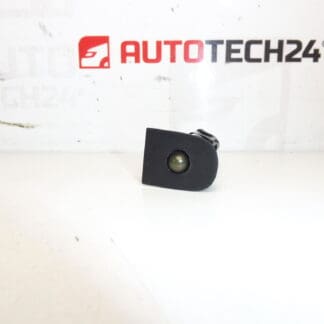
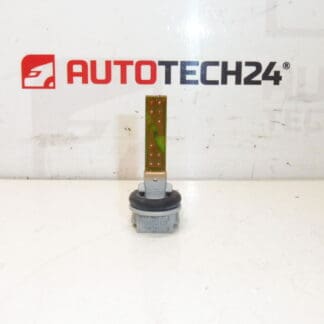
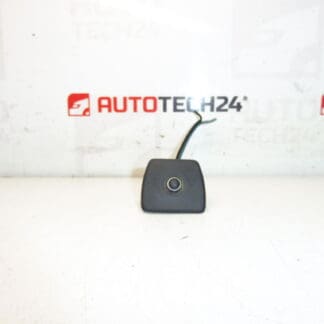
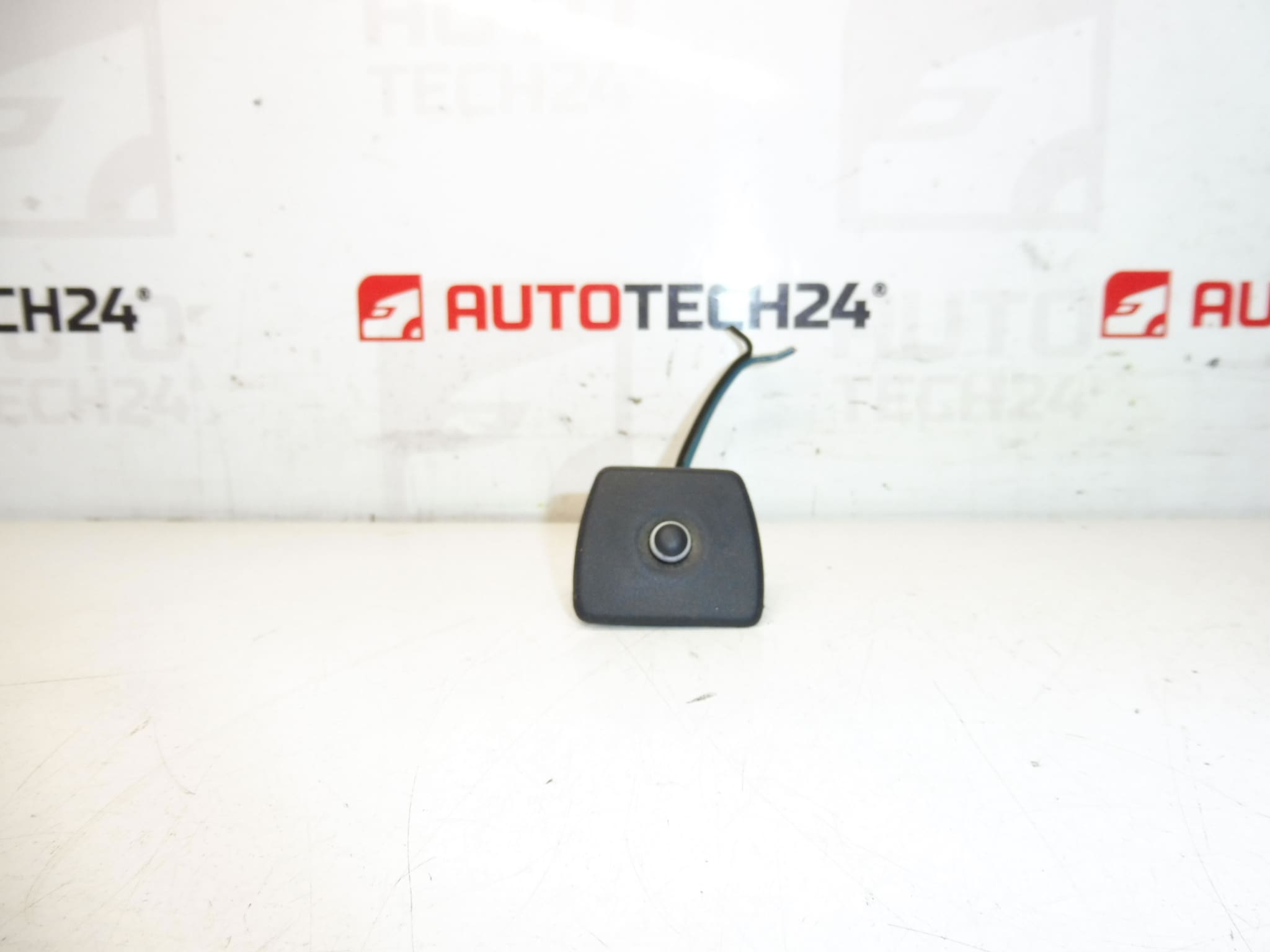
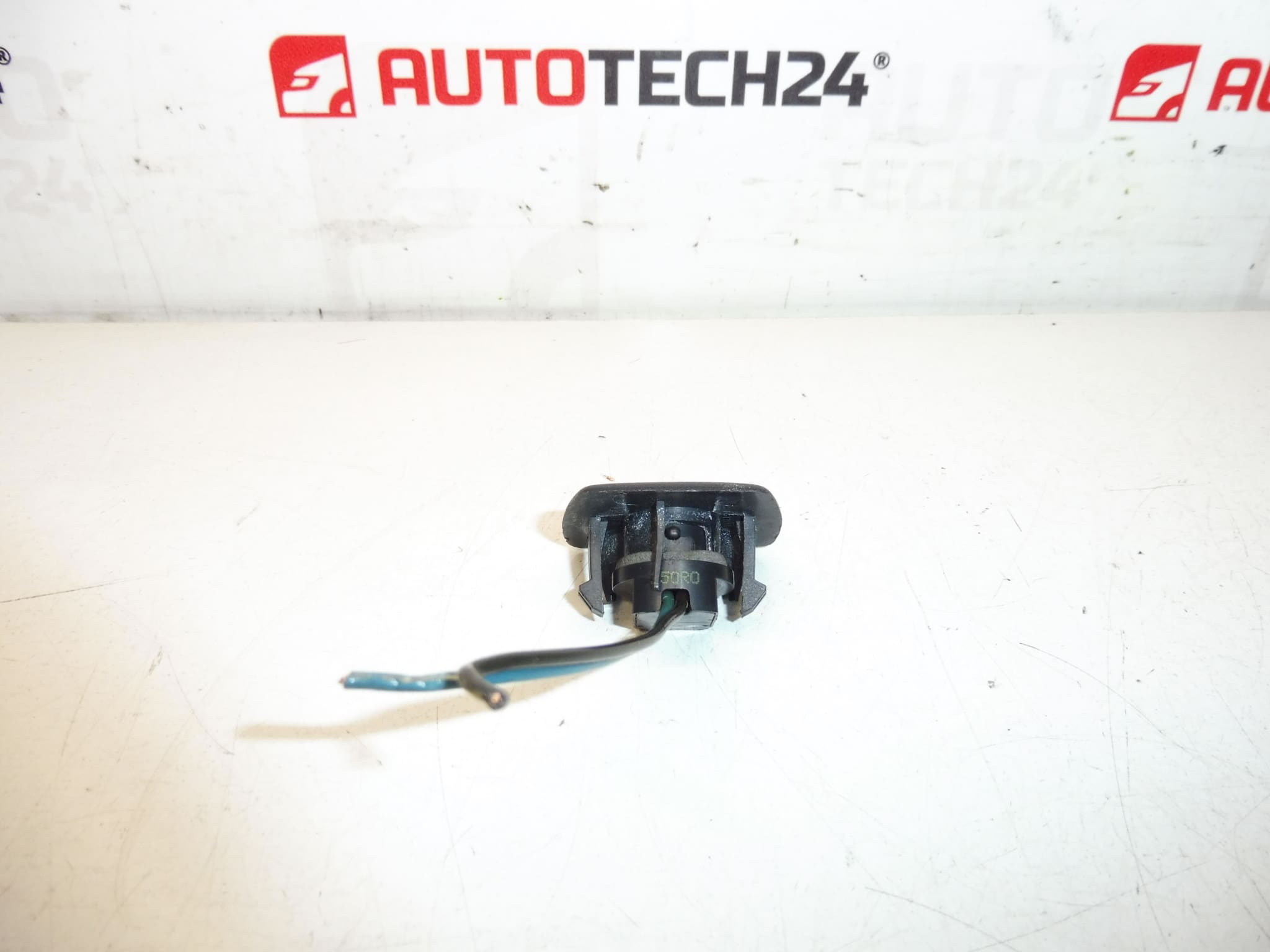
Solar radiation sensor for Citroën Peugeot cars
Part description
This used solar radiation sensor is intended for Citroën and Peugeot cars. It is an electrical component intended for the proper functioning of the system, which evaluates the intensity of the sunlight and accordingly adjusts the operation of the subsequent elements of the vehicle. Thanks to the wanted designation 6445V6, the part is easy to find during repairs and when comparing with an existing piece.
The product is especially suitable for mechanics and DIYers who are looking for a genuine used PSA car part at a reasonable price. For used electronic parts, it is important to compare not only the product number, but also the shape of the connector, attachment and overall design.
Technical information
- Manufacturer: Stellantis Citroën Peugeot
- Model: Peugeot 406
- Other numbers: 6445V6, NFP
Product codes
Product codes: 6445V6
Models from labels/backgrounds: Peugeot 406
Installation recommendations
Generally/typically for this type of electrical part, the exact replacement procedure may vary by specific car model and make. Always compare the used part with the original before assembly.
1) Before assembly
- Check if product number 6445V6 matches.
- Compare the sensor body shape, connector, number of pins and mounting method.
- Inspect the part for cracks, dirt or mechanical damage.
- Check the condition of the contacts in the connector and any signs of oxidation.
2) Necessary tools and materials
- regular set of hand tools
- plastic pry bar for removing covers
- electrical contact cleaner
- a clean lint-free cloth or cloth
- protective gloves
3) Step-by-step assembly procedure
- Turn off the ignition and wait for the vehicle’s electrical system to calm down to be safe.
- Typically disconnect the battery if the vehicle’s repair procedure requires it.
- Give access to the original sensor by removing covers or surrounding parts that interfere.
- Carefully disconnect the electrical connector without force to avoid damaging the latches.
- Remove the original sensor from the mount and check the condition of the contact surface and the connector.
- Compare the old and new part side by side, especially the connector, size and fit.
- If necessary, gently clean the connector and the area around the mounting point.
- Place the used sensor correctly in its original position without overloading the plastic parts.
- Connect the connector so that it clicks firmly and there is no play.
- Reinstall all covers and removed parts of the interior or dashboard.
- If the battery was disconnected, reconnect it.
- Turn on the ignition and verify the basic function of the system to which the sensor is linked.
-
4) Post-assembly checks and test drive/function verification
- Check that the part is firmly seated and the connector holds without movement.
- Check that no new error symptoms have appeared in the car’s electrical equipment after installation.
- If the sensor is part of the automatic regulation, monitor during normal operation whether the system responds smoothly and without interruptions.
- After a short test drive or operational check, check the fitment and connector again.
5) The most common assembly mistakes + how to avoid them
- Part replacement by appearance – always compare the number 6445V6 and the connector design.
- Damage to plastic latches – use a suitable pry bar and do not apply unnecessary force.
- Poorly seated connector – after connecting, check that the connector is fully engaged.
- Mounting on dirty contacts – before connecting, visually check the contacts and clean them if necessary.
- Omission to compare the old and new part – always compare all the basic features of the part before final assembly.
Reasons why the part is damaged
- normal aging of electronic components
- long-term exposure to temperature changes and sunlight
- oxidation or contamination of contacts
- mechanical damage during disassembly or improper handling
- damage to the connector or wiring around the sensor