Description
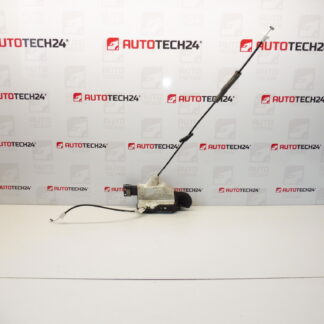
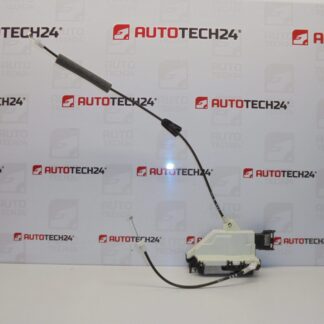
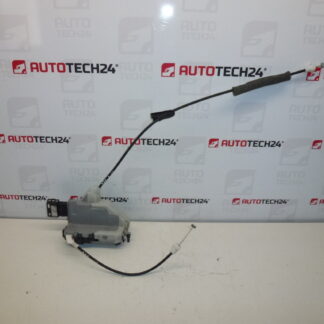
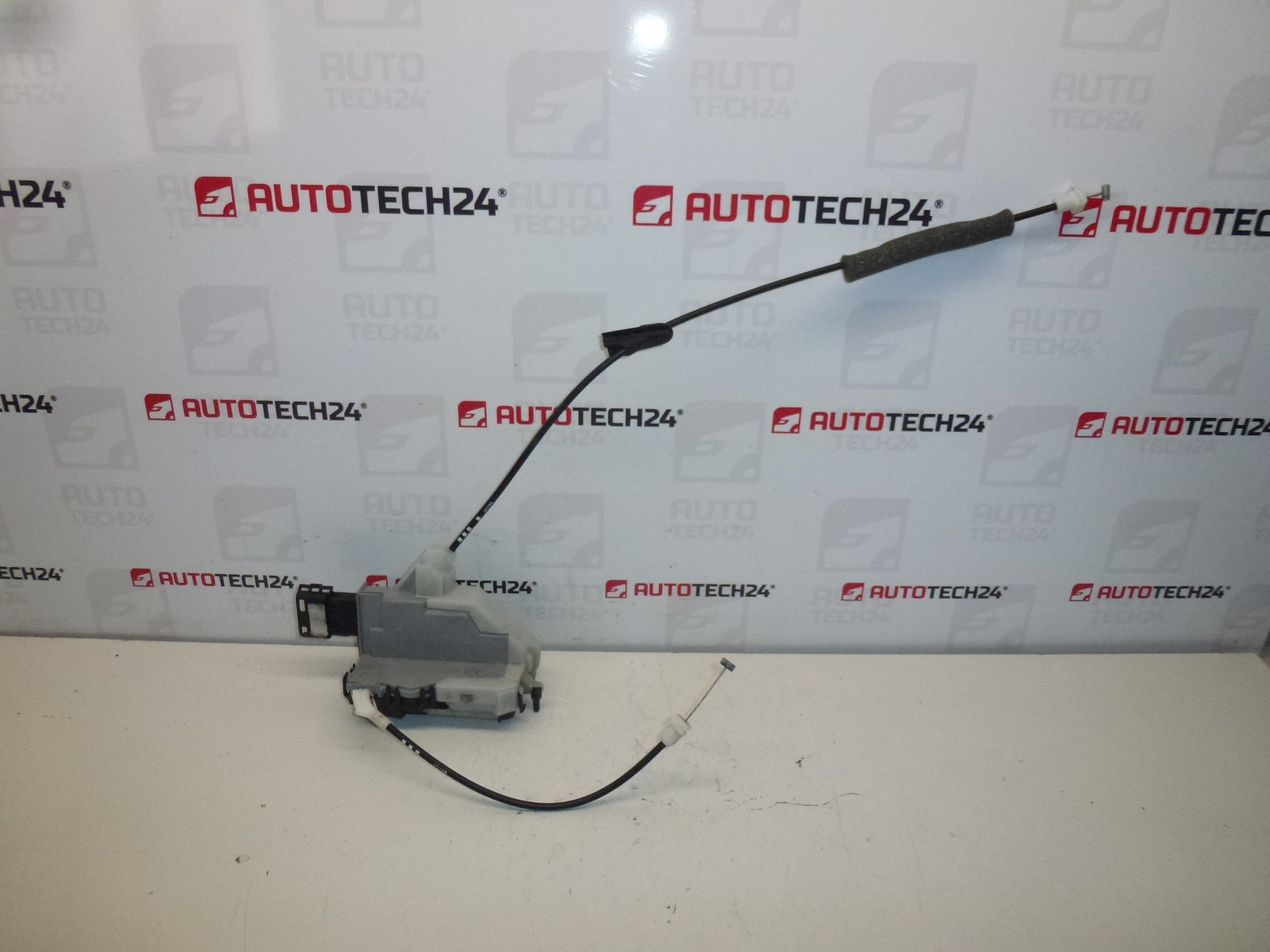
Electric lock of the central locking of the left rear door for PEUGEOT 308 cars
Side behind the driver
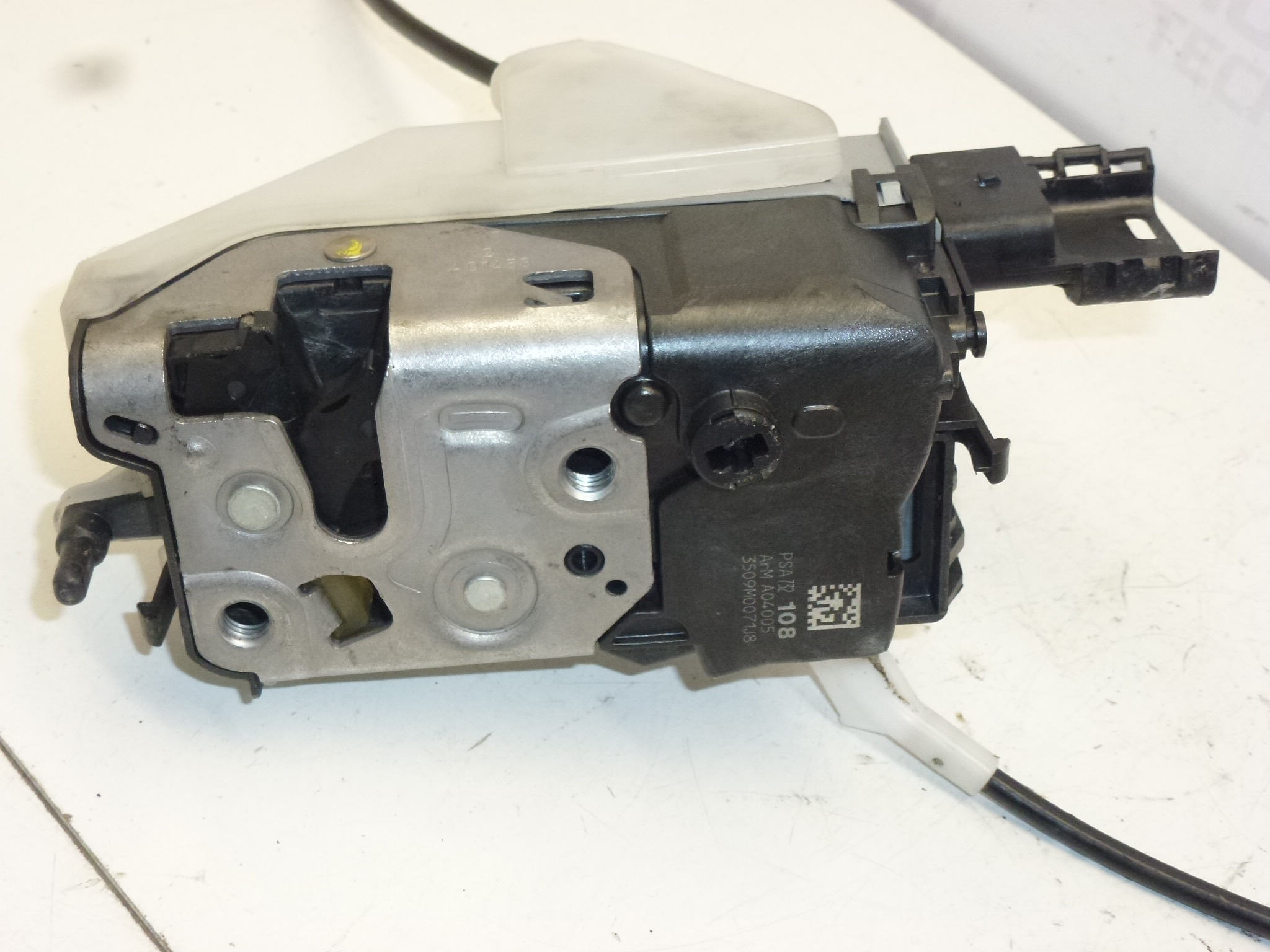
Original electric central locking lock for the left rear door (behind the driver on left-hand drive cars) Peugeot 308. This is a used OEM dismantled part – the ideal solution if the rear door cannot be locked/unlocked via the central control, the remote control does not respond or the door remains blocked. Please refer to the OEM numbers below for proper match.
Key features
– Location: left rear door (behind driver’s side for LHD)
– Features: electric lock/central locking actuator with door latch
– 12 V, plug & play replacement for the original part
– OEM quality PSA – precise fit, correct function with BSI/central
– Suitable for Peugeot 308 cars (depending on equipment and year – see part numbers)
OE/OEM numbers and equivalents
– PSA: 9137.V0 (9137V0)
– PSA: 9800617580
– Production/catalogue designation: 732108
Note: The numbers may vary depending on the year, equipment and supplier – it is important to have the same OEM number and connector.
Compatibility
– Peugeot 308 hatchback and SW, selected years and versions
– Side: left rear (LZ). For right-hand drive cars, “behind the driver” corresponds to the right rear.
– Recommended to verify by VIN or by comparing part number and connector to your original lock.
Technical information
– Power supply: 12 V
– Electrical connector: multi-pole (PSA type; compare with original)
– Mechanism: integrated door latch, handle levers remain from the original installation
– Supported functions: central locking and unlocking; child lock depending on the car’s equipment (operated on the door)
– Material: steel/plastic, black design
– Does not contain cylinder or key – this is an electric lock/latch
Typical symptoms of a faulty lock (addressed in this part)
– The rear left door cannot be locked/unlocked via DO or the central button
– The door remains stuck or the lock clicks without moving
– Intermittent function depending on temperature/humidity
Assembly tips
– Disconnect the battery before assembly.
– Transfer the original tie rods and any plastic guides/clips.
– Check the compatibility of the connector and the mounting direction; use the original screws.
– After assembly, test the locking via DO, the button on the dashboard and mechanically with the handle.
Search and SEO keywords
Peugeot 308 rear left door lock, rear left lock actuator, central locking lock 9137.V0, 9800617580, 732108, door lock mechanism 308, door lock rear left Peugeot 308.
Important
The most reliable is to go by the part number. If your original unit is marked 9137.V0 or 9800617580 (or 732108), it is a direct replacement. If in doubt, compare the shape of the body and connector with your old lock or consult the fitment according to the VIN.