Description
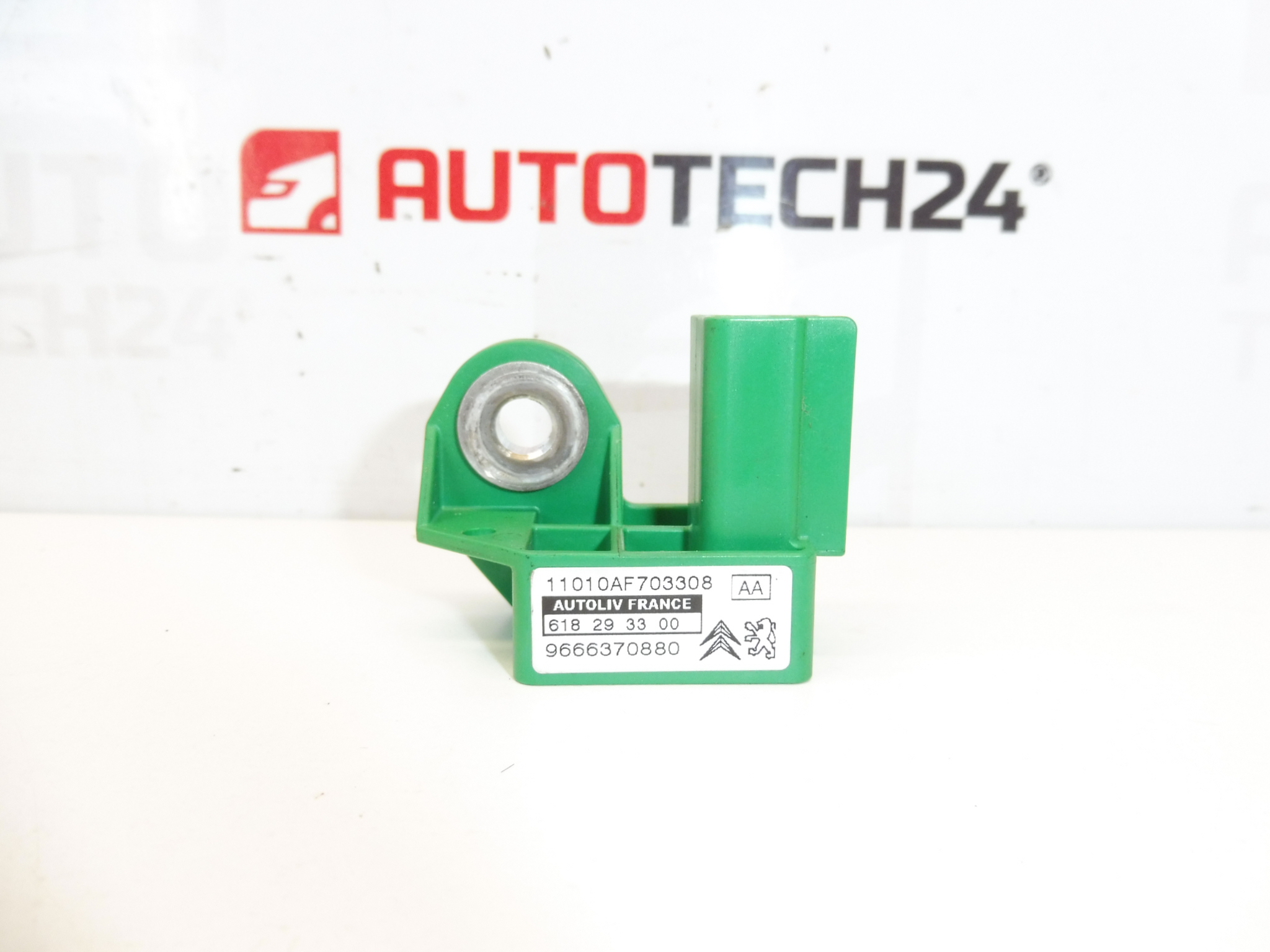
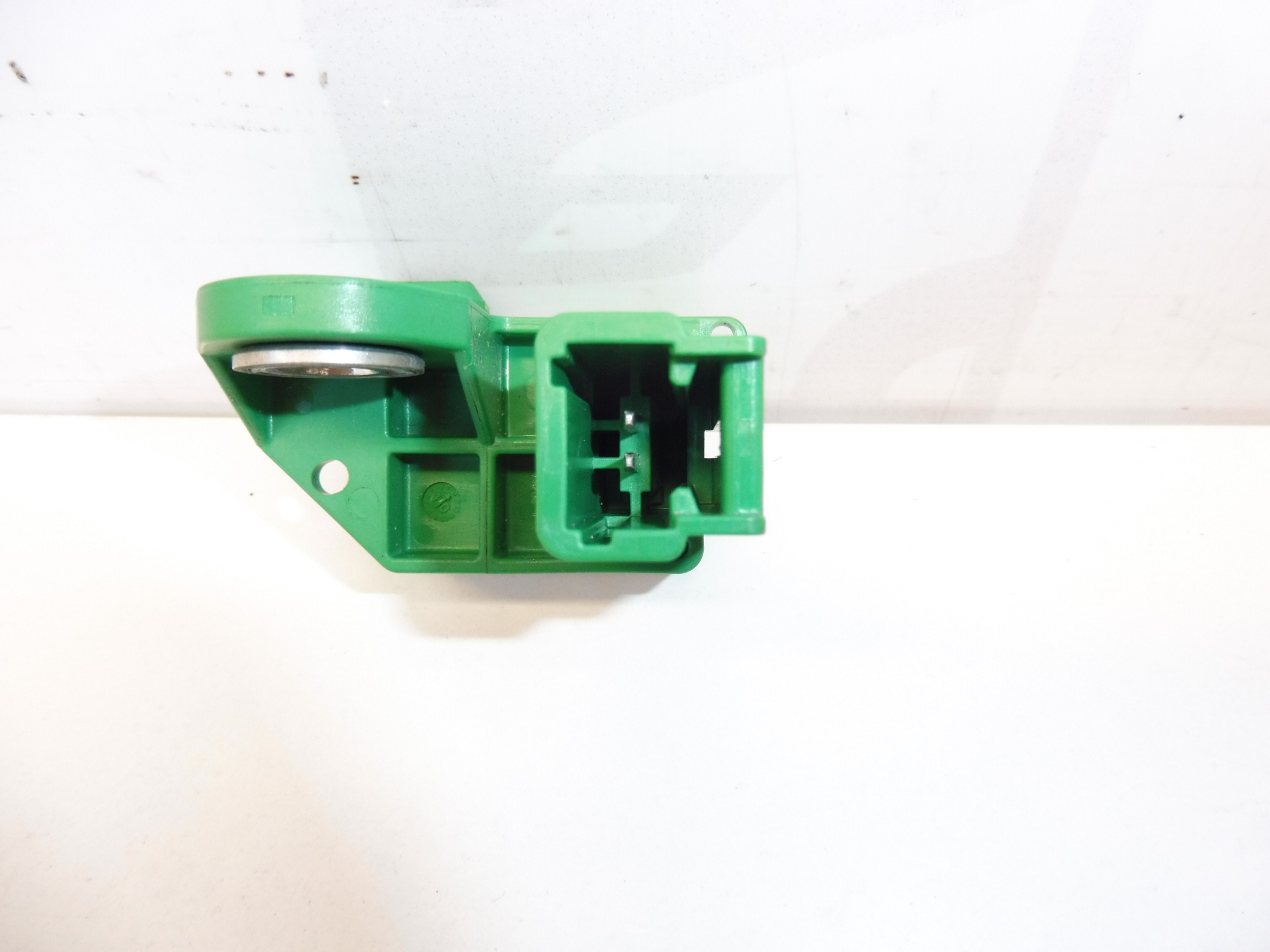
Side Impact Sensor For The Airbag System For Citroën And Peugeot Vehicles
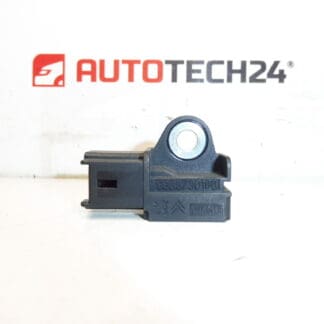
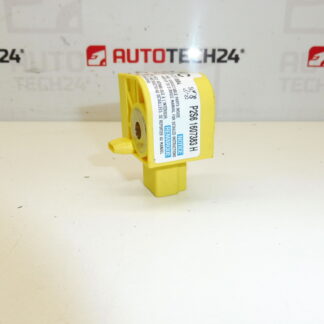
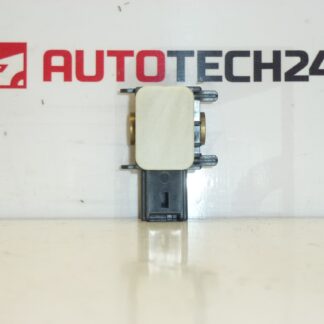
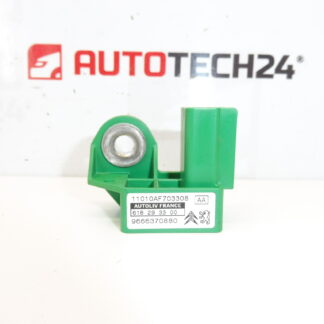
This Autoliv side impact sensor (part numbers 9666370880, 618293300, 8217F6) is a direct-fit replacement designed for Citroën and Peugeot vehicles. It senses lateral acceleration during a side collision and sends an immediate signal to the airbag control unit so that side airbags and pretensioners deploy correctly. The sensor’s reliable response is essential for occupant protection; replacing a faulty unit restores proper crash detection and clears airbag faults that trigger the warning light. Frequently searched by part number, this sensor suits professional workshops and experienced DIYers looking for a precise, OEM-quality fit.
Technical Information
- Manufacturer: Autoliv
- Model: Citroën C3 II; Citroën C3 Picasso; Citroën C5 X7; Peugeot 308
- Product Codes: 9666370880; 618293300; 8217F6
- Other Numbers: Autoliv Reference Numbers As Above
Installation Recommendations
Always follow safety procedures. Before starting work, disconnect the battery and wait at least 10 minutes to avoid accidental airbag deployment. Typical replacement steps: remove interior trim to access the sensor (commonly mounted in the B-pillar, door or seat area), unplug the electrical connector, remove the retaining fastener(s), install the new sensor in the correct orientation, secure fasteners to manufacturer specification, reconnect the connector and reassemble trim. After installation, verify the airbag system status with an appropriate diagnostic tool and clear any stored faults. For PSA Vehicles Use An Airbag-Capable Diagnostic Tool (For Example PSA DiagBox) To Read And Clear Fault Codes And Confirm Proper Operation.
Why The Part Most Often Fails
Side impact sensors are designed to last the life of the vehicle but most commonly fail due to physical damage sustained in a previous collision, water ingress or corrosion of connectors, wiring harness damage from rust or wear, and severe vibration or improper handling during repairs. A persistent airbag warning light, stored crash or sensor fault codes, or visible damage after an impact are the most common indicators that the sensor must be replaced.
Practical Notes For Mechanics And DIYers
Replace sensors with care: orientation and secure mounting are critical for correct operation. Do not swap sensors between left and right without confirming compatibility and orientation. After replacement, always perform a diagnostic check to ensure the Airbag Control Unit Recognizes The New Sensor And That There Are No Remaining Faults. If The Vehicle Has Been Involved In A Collision, Inspect The Surrounding Structure And Wiring For Hidden Damage.