Description
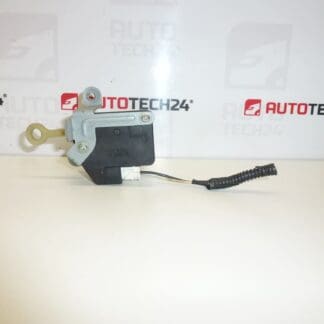
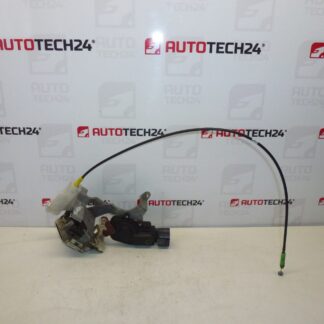
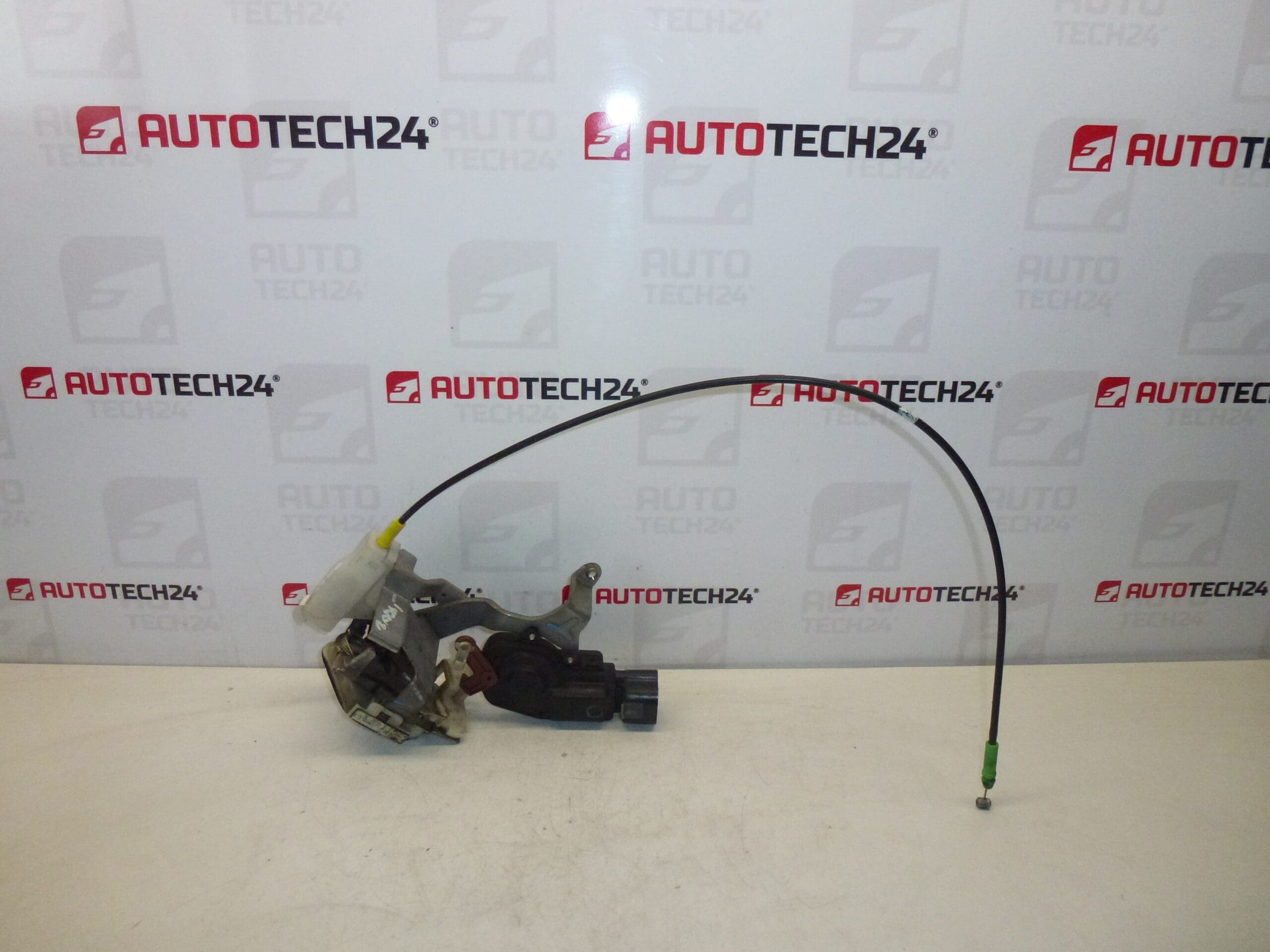
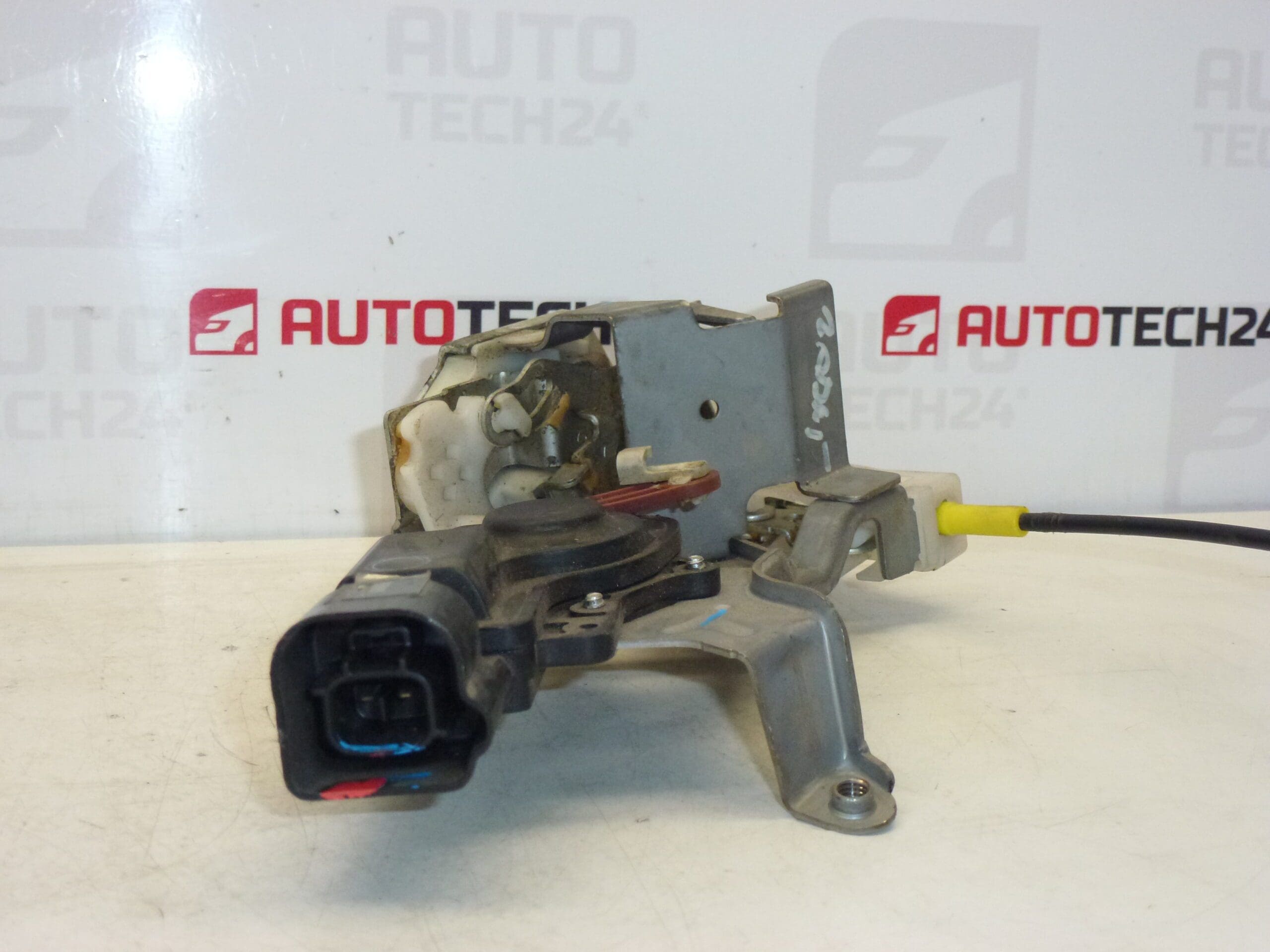
Electric central locking actuator for the right rear door for Citroën C1 and Peugeot 107. 5-door, 2-pin.
This electric door lock actuator is a direct-fit replacement designed for the right rear door of the Citroën C1 and Peugeot 107 (5‑door). Ideal for professional workshops and competent DIY mechanics, the unit restores reliable central locking operation, quickens diagnostics and replacement, and helps avoid repeated door opening/closing problems caused by a failing actuator. Commonly searched under the product code 9138G7, the actuator fits vehicles equipped with a 2‑pin connector and standard central locking wiring.
Technical Information
- Manufacturer: Stellantis (Citroën / Peugeot)
- Model: Citroën C1 (5-Door), Peugeot 107 (5-Door)
- Product Codes: 9138G7
- Additional Numbers: Not Specified
Installation Recommendations
Replacement is straightforward for a trained technician or experienced DIYer. Typical steps:
- Disconnect the negative battery terminal before starting to avoid short circuits and accidental airbag deployment.
- Remove the inner door trim/panel using appropriate trim tools to avoid breaking clips.
- Disconnect the wiring harness (2‑pin) and unbolt/unclip the old actuator from the latch assembly.
- Install the new actuator in the same position, secure fasteners, and reconnect the wiring harness.
- Test central locking function (lock/unlock cycles) before refitting the door card to confirm proper operation.
- Reassemble the door trim and verify smooth mechanical movement and correct locking/unlocking from remote and interior switch.
Use basic hand tools (trim tools, screwdrivers, socket set) and take care with plastic clips and door wiring. Lubricate latch linkages lightly with suitable grease if recommended by the vehicle manufacturer.
Most Common Failure Causes
- Mechanical Wear: Plastic gears and linkages inside the actuator wear over time, causing intermittent or complete failure.
- Water Ingress: Moisture entering the door can corrode contacts or seize mechanical parts.
- Corrosion: Oxidation of terminals or connectors leads to poor electrical contact and erratic behaviour.
- Electrical Faults: Shorted or worn motor windings and broken wiring at the connector can prevent the actuator from operating.
- Physical Damage: Impact to the door or latch area can deform components and impair actuator function.
Why Replace
Installing a new actuator restores reliable central locking, eliminates repeated manual locking/unlocking, and prevents security issues or door not staying closed. Quick replacement saves workshop time and avoids diagnostic chase for related symptoms such as strange noises, intermittent locking, or inability to lock from remote.
Practical Tips
- Before fitting, compare the connector type and mounting points to ensure a direct match.
- Test the actuator electrically with the door panel removed so you can confirm operation without repeated removals.
- Keep the work area dry and protect connectors from moisture when reassembling the door.