Description
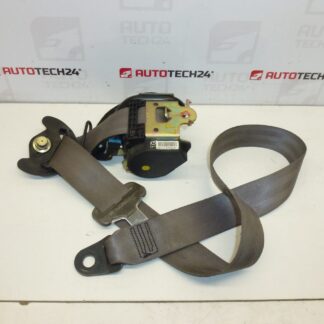
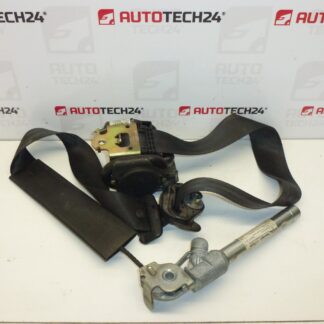
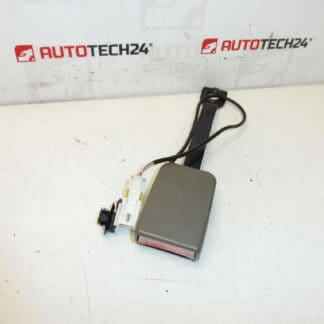
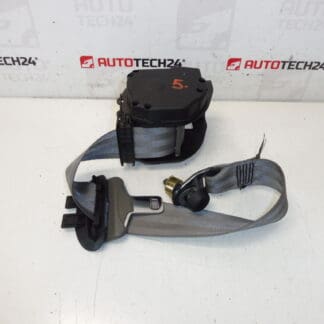
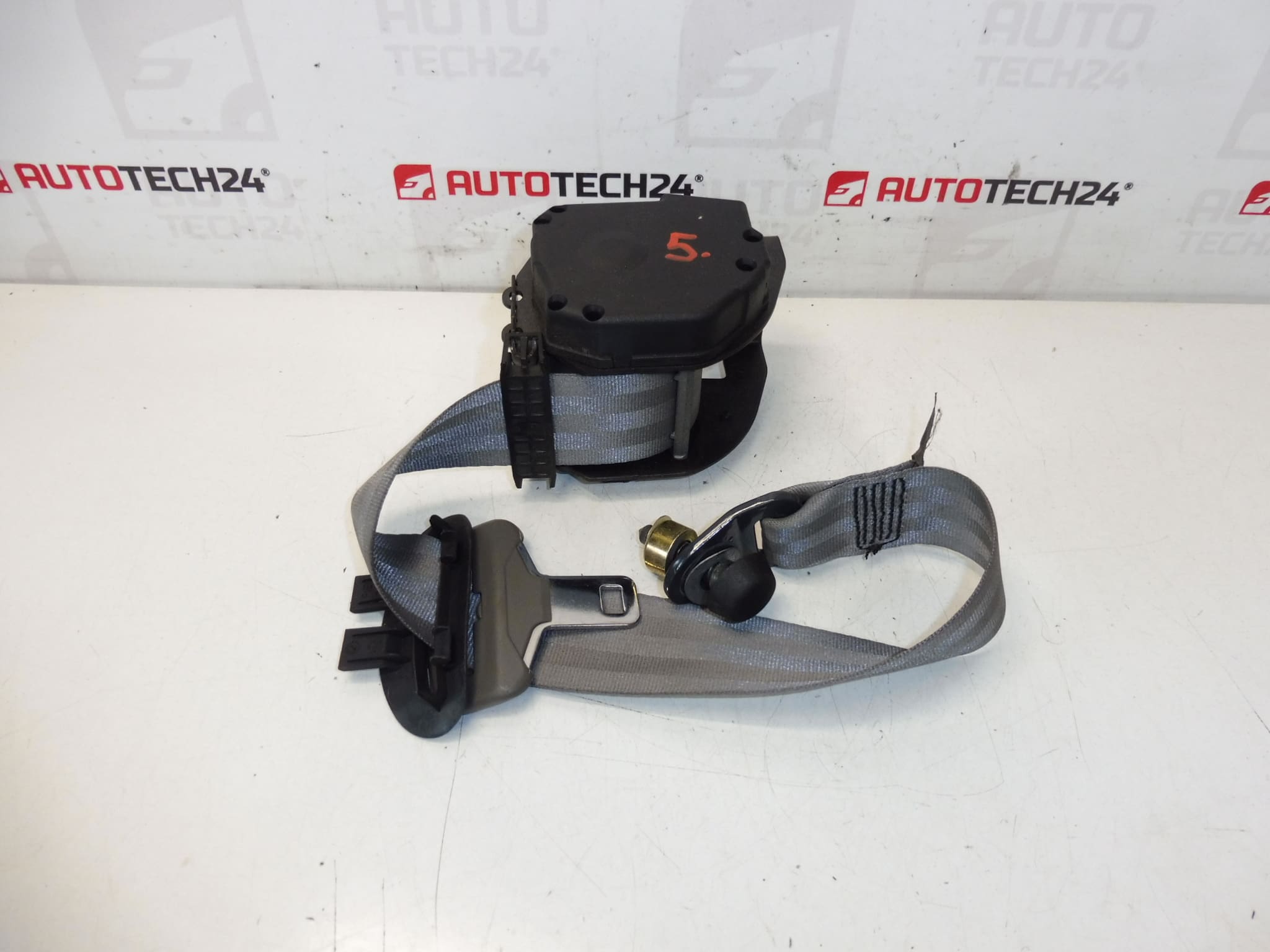
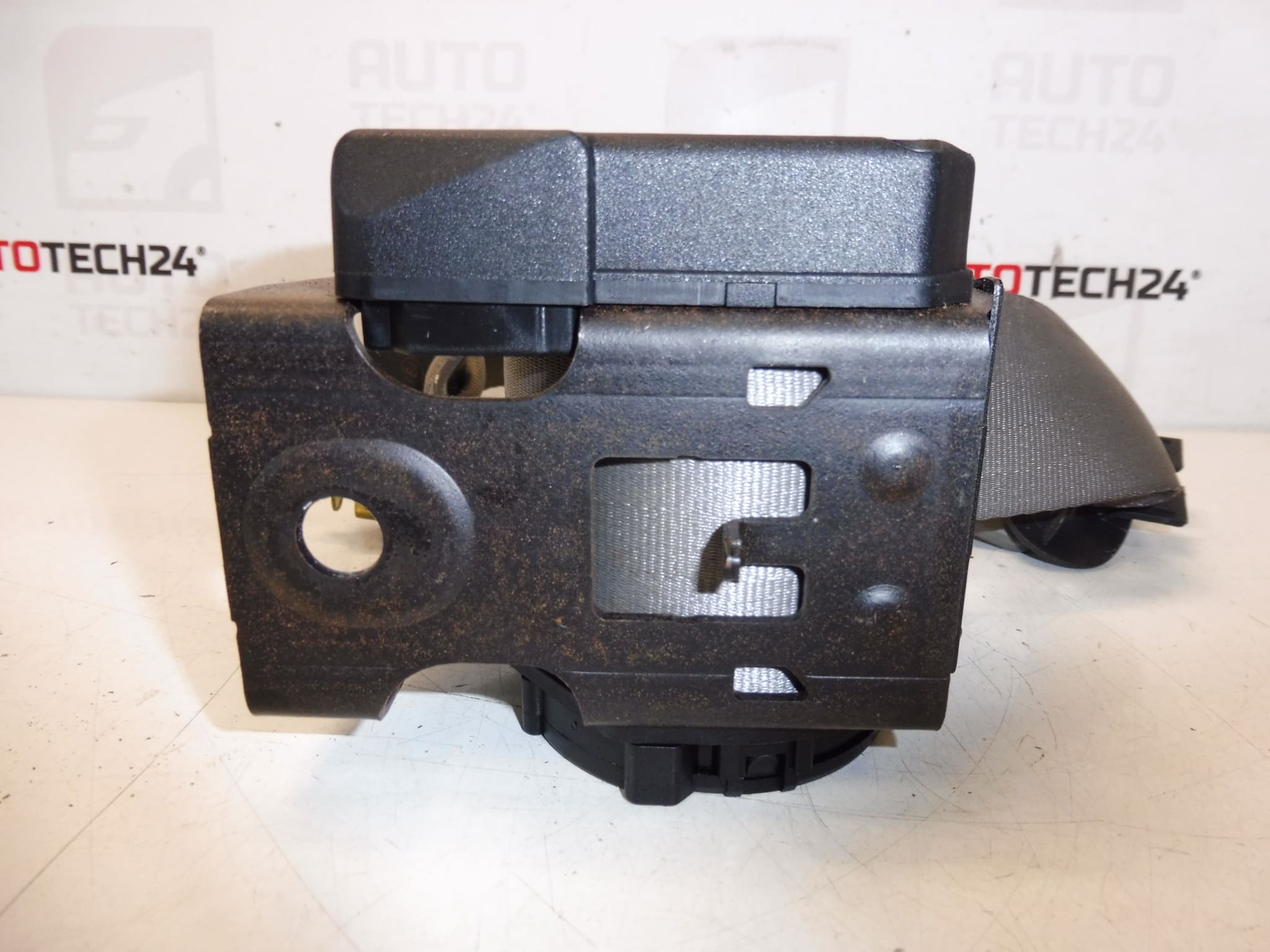
Right And Left Rear Seat Belts For CITROËN C5 II Vehicles. Color FGW – DIGIMAT. Belt Behind Driver And Passenger.
Overview
High-quality replacement rear seat belts for the Citroën C5 II, offered as right and left units. These belts match the original fit and finish with FGW – DIGIMAT webbing and are intended for the rear seats located behind the driver and the front passenger. Ideal for professional workshops and DIY mechanics looking for a direct-fit safety component. Commonly searched by part numbers 96325577GW and 8974W5.
Technical Information
- Manufacturer: Stellantis / Citroën
- Model: Citroën C5 II (Second Generation)
- Product Codes: 96325577GW, 8974W5
- Other Numbers: FGW – DIGIMAT (Webbing Color/Finish)
Fitment
Designed Specifically For Citroën C5 II Rear Seats. Please Verify That The Part Numbers Match Your Vehicle Requirements Before Installation.
Function And Benefits
Seat belts Secure Occupants By Locking In Sudden Deceleration Events. These Rear Belts Include The Retractor And Webbing Assembly Necessary To Restore Passenger Safety After Wear Or Damage. Benefits Include Correct Fitment To Factory Anchor Points, OEM-Style Webbing Pattern, And Compatibility With Existing Buckles And Anchors On C5 II.
Installation
- Preparation: Park On A Level Surface, Engage Handbrake. If The Belt Includes A Pretensioner, Disconnect The Battery And Follow Manufacturer Wait Times To Allow SRS Capacitors To Discharge.
- Removal: Remove Interior Trim Around The B-Pillar And Rear Seat Area To Access Retractor And Anchor Bolts. Unfasten Bolts Securing The Retractor And Lower Anchor, Then Remove The Old Belt Assembly.
- Fitting: Fit New Belt In Reverse Order, Ensure Correct Routing Of Webbing Through Guides, Secure Bolts To Manufacturer Torque Specifications, And Reinstall Trim.
- Final Checks: Verify Smooth Retraction And Locking Mechanism By Performing A Few Sharp Pull Tests. Check Buckle Engagement And Ensure There Are No Twists In The Webbing.
Recommendations For Installation
- Use Proper Tools: Socket Set, Trim Removal Tools, Torque Wrench, And Safety Gloves.
- Torque: Tighten Fasteners To Manufacturer Specifications (Do Not Guess Torque Values).
- If The Belt Contains A Pretensioner, Treat The Unit As An SRS Component—Disconnect Battery Before Work And Observe ESD Precautions.
- Replace Any Damaged Anchors Or Bolts And Inspect Surrounding Structure For Corrosion Or Deformation.
- After Installation, Perform Functional Tests And Road Test To Confirm Correct Operation.
Why The Part Most Commonly Fails
Rear Seat Belts Rarely Fail Under Normal Conditions, But When They Do, Typical Causes Include: Webbing Wear Or Fraying From Repeated Use Or Foreign Objects, Retractor Locking Or Jamming Due To Dirt And Corrosion, Damage From Previous Accidents (Including Pretensioner Deployment), And Mechanical Failure Of Internal Springs Or Gears. Moisture And Corrosive Environments Accelerate Degradation Of Anchors And Fasteners.
Service Life And Replacement Advice
Seat Belts Are Safety-Critical Components. Replace Immediately If The Webbing Is Cut, Frayed, Burned, Or If The Retractor/Locking Mechanism Does Not Operate Correctly. Replace Any Belt After A Crash Or After Pretensioner Deployment. For Best Practice, Inspect Seat Belts During Regular Service Intervals.
Additional Notes
Part Numbers 96325577GW And 8974W5 Are Common Search Terms For These Rear Belts. This Product Is Intended For Direct Replacement And Is Suited For Professional Fitters And Experienced DIYers Familiar With Vehicle Safety Systems.