Description
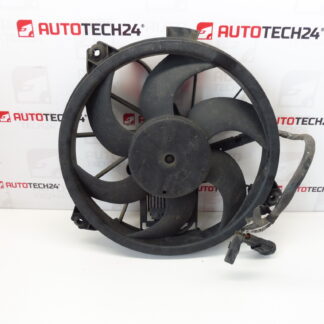
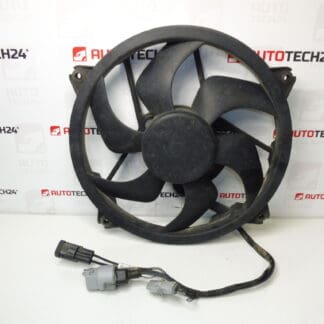
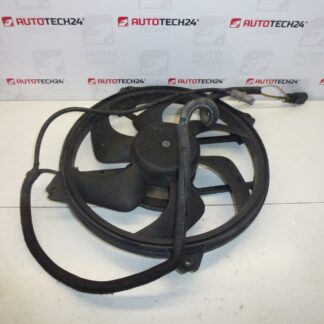
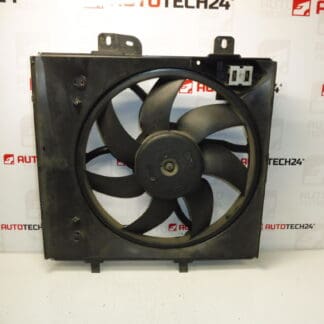
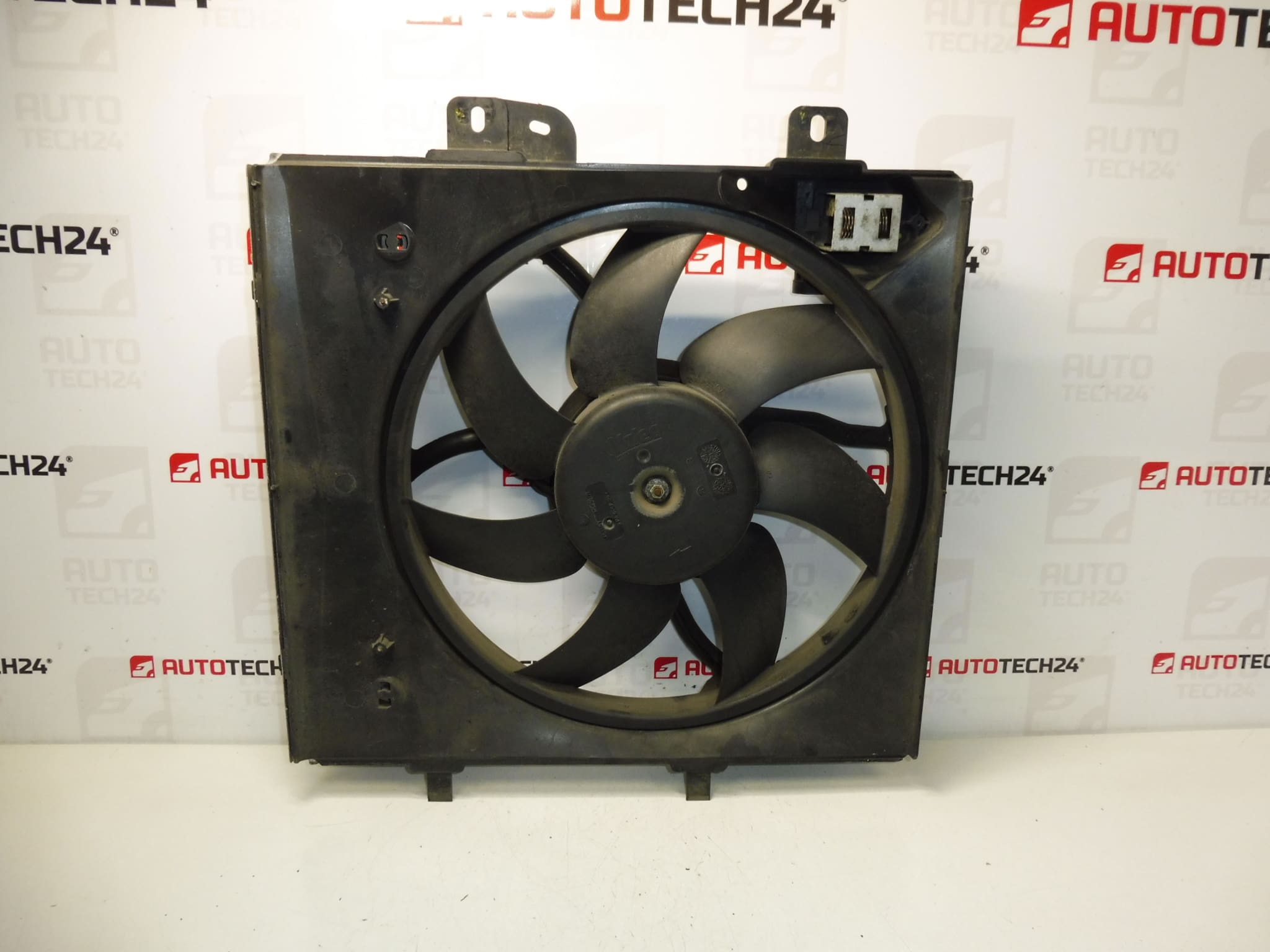
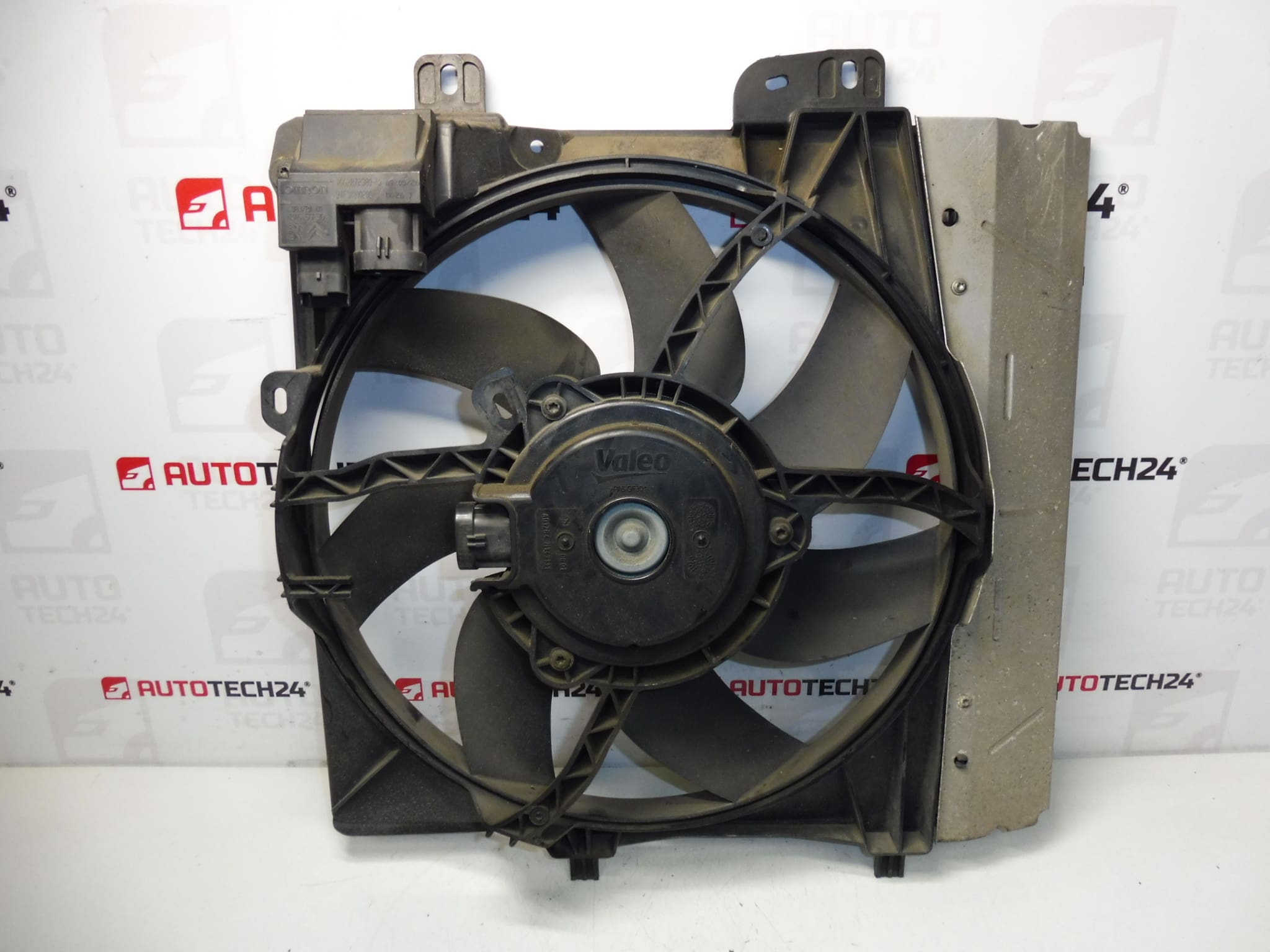
Valeo radiator fan for Citroën C2, Citroën C3 Pluriel and Peugeot 1007, 207. Without control thyristor.
This high-quality Valeo cooling fan assembly is a direct-fit replacement designed for Citroën and Peugeot models listed above. It provides reliable engine cooling and ensures the vehicle’s HVAC and engine management systems maintain correct temperatures under load and in slow-moving traffic. Ideal for professional mechanics and competent DIY enthusiasts who search by OE numbers (9653804080, 9682902080, 1253P8, 1253H6) when sourcing parts.
Key Features
– Direct-fit replacement fan motor and impeller assembly from Valeo.
– Supplied without a control thyristor; the unit relies on the vehicle’s existing control circuitry (relays/module) for speed regulation.
– Designed for original mounting points and electrical connector compatibility on the listed Citroën and Peugeot models.
– Durable construction optimized for under-hood conditions and regular cooling cycles.
Technical Information
- Manufacturer: Valeo
- Model: Citroën C2; Citroën C3; Citroën C3 Pluriel; Peugeot 1007; Peugeot 207
- Product Codes: 9653804080, 9682902080, 1253P8, 1253H6
- Other Numbers: 1253P8, 1253H6 (alternative references commonly used)
Function
The radiator cooling fan removes heat from the radiator and supports the engine cooling circuit, air conditioning performance and cabin climate control by forcing air through the radiator and condenser. Proper fan operation prevents overheating during idle, slow-speed driving and heavy engine loads.
Common Failure Modes
Cooling fans typically fail due to one or more of the following: worn motor bearings, water or debris ingress, broken or cracked fan blades, electrical connector corrosion, damaged wiring, or internal motor brush wear. Failures often appear as unusual noise, reduced fan speed, intermittent operation, or complete loss of function. Environmental exposure and mileage accelerate wear.
Installation Recommendations
- Before starting work, disconnect the battery to avoid electrical short circuits and inadvertent fan activation.
- Gain access by removing the engine cover and, if necessary, the radiator shroud or front bumper components to reach mounting bolts and the electrical connector.
- Unplug the fan electrical connector and remove the mounting screws or bolts securing the assembly. Support the fan to prevent dropping.
- Fit the replacement unit, tighten fasteners to the manufacturer’s torque settings, reconnect the electrical plug and reassemble removed parts.
- After installation, reconnect the battery and perform a function check: start the engine, bring to operating temperature and verify fan engagement and quiet operation. Check for vibration or rubbing on the shroud.
- When replacing the fan, inspect the radiator, condenser and shroud for damage and check wiring/connector integrity to avoid repeat failures.
Why This Part Is Often Replaced
Fans are exposed to heat, moisture and debris, which leads to mechanical wear and electrical degradation over time. Road debris can chip blades, while bearings and brushes wear from continuous use. Corroded connectors and damaged wiring are common causes of intermittent operation or failure. Replacing the fan assembly is a straightforward way to restore reliable cooling and prevent overheating-related engine damage.
Notes For Buyers
Customers often search using OE or part numbers—include 9653804080, 9682902080, 1253P8 and 1253H6 when checking fitment. This unit is supplied without a control thyristor; ensure the vehicle’s original fan control system (relays/module) is functioning correctly for proper operation.