Description
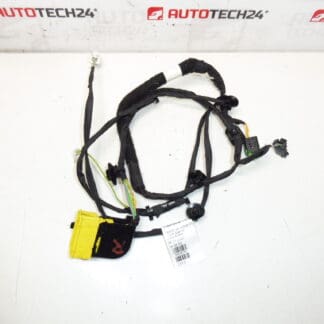
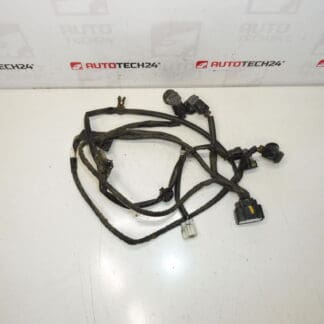
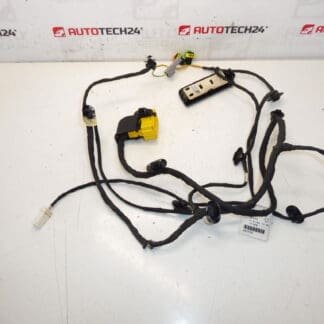
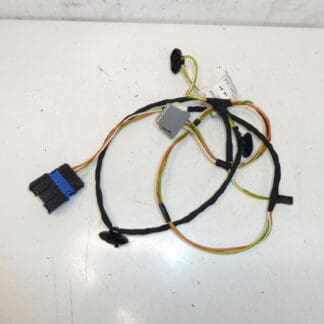
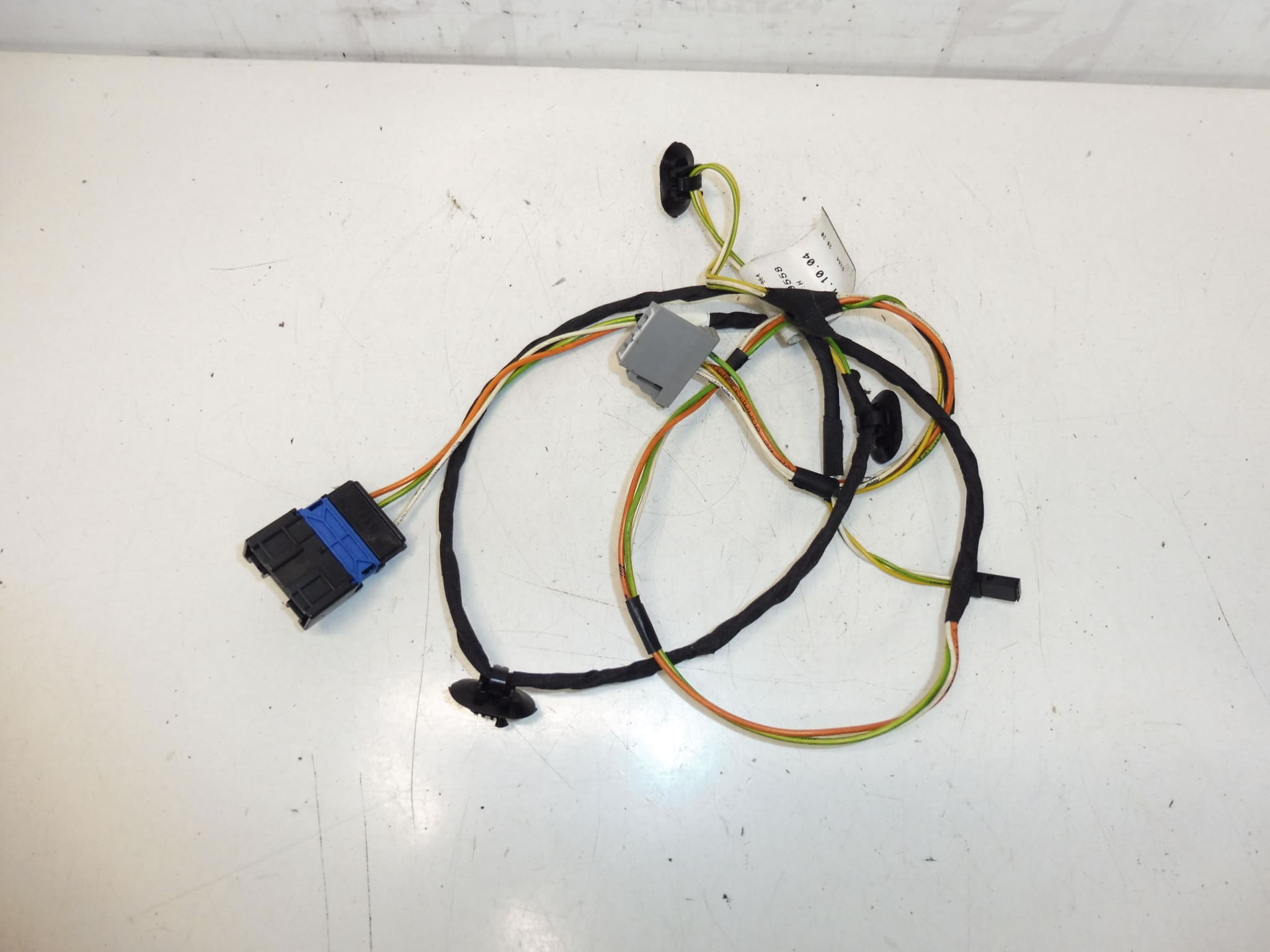
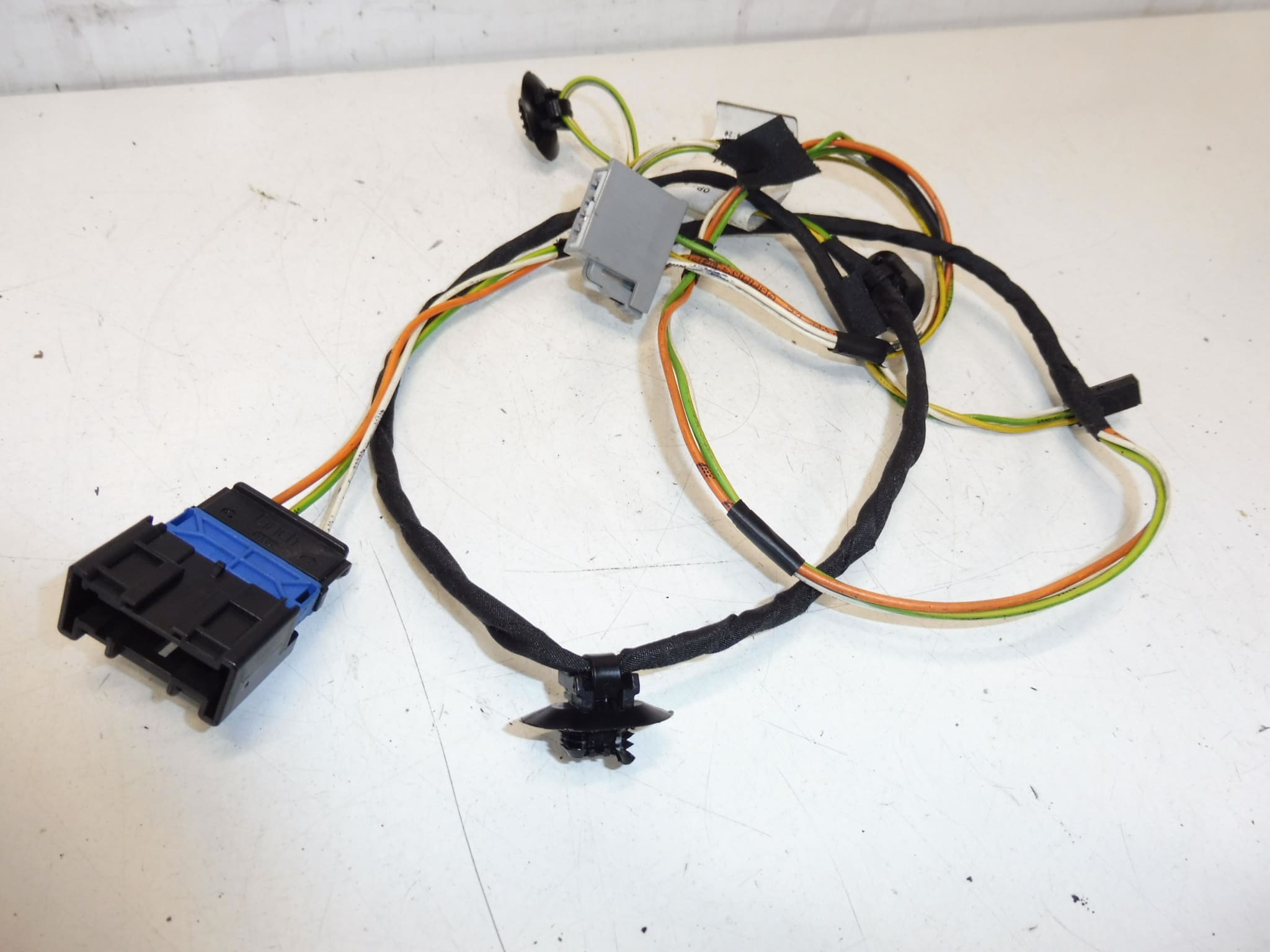
Complete front driver’s seat harness for PEUGEOT 407 vehicles
Overview
This replacement wiring harness is designed for the complete front driver seat on Peugeot 407 models. It restores electrical connections for seat adjustment motors, heating elements, seat belt buckle sensors, occupancy sensors and side airbag/airbag connectors where fitted. Supplied with OEM reference numbers for quick identification and direct-fit replacement on compatible vehicles.
Technical Information
- Manufacturer: Stellantis (Citroën / Peugeot)
- Model: Peugeot 407
- Product Codes: 9649424380, 6533XH
- Additional Numbers: —
Compatibility
Fits Peugeot 407 front driver seats (various trims and configurations). This harness is commonly sought by part number 9649424380 or 6533XH. Check physical connector count and routing against the original harness to confirm fitment before installation.
Function
The harness provides all electrical pathways between the vehicle body harness and the driver seat assemblies. Typical circuits carried include power and ground for seat adjustment motors, seat heating elements, sensors in the seat belt buckle, occupancy/weight sensors and side airbag connections where applicable. Proper harness condition is essential for seat comfort functions and for correct operation of safety systems.
Installation Recommendations
- Prepare: Park vehicle on level ground, apply parking brake and follow safety procedures for working near SRS components.
- Battery: Disconnect the negative battery terminal and wait the manufacturer-recommended time before working on seat wiring to avoid accidental airbag deployment.
- Seat Removal: Remove front driver seat following vehicle workshop manual—typically involves lowering the seat, unbolting seat rails and gently tipping the seat back to access connectors.
- Unplugging: Carefully release all seat connectors and retain retaining clips. Label connectors if needed to ensure correct reconnection.
- Routing: Route the new harness along the original path, secure with clips or ties, and ensure wires are clear of moving parts such as seat rails and adjustment mechanisms.
- Reconnect: Reconnect all plugs firmly, re-fit the seat, torque bolts to manufacturer specification and reconnect the battery.
- Verification: Check seat functions (adjustment, heating, sensors) and clear any stored fault codes with diagnostic equipment if required.
- Safety Note: If the harness includes airbag or occupancy sensor connectors, observe SRS handling procedures. If unsure, have the installation completed by a qualified technician.
Why This Part Most Commonly Fails
Seat wiring harnesses typically fail due to mechanical wear and fatigue caused by repeated seat movement and rubbing against the seat rails. Common causes include chafing of insulation, broken wires at flex points, corrosion of connector pins (often from moisture ingress), damage from rodents or accidental cuts during seat removal. Faulty connectors or crimp joints can also produce intermittent faults that affect seat motors, heaters or SRS sensors.
Practical Tips
- Inspect the routing and mounting points on the original harness before removal to replicate the correct path with the replacement.
- Use dielectric grease on connectors where moisture is a concern to reduce corrosion risk.
- Secure loose sections away from moving parts to prevent future abrasion.
- After installation, run a full function check and scan for fault codes to ensure safety systems and convenience functions are operational.
Who Should Fit This Part
Suitable for experienced DIYers with basic mechanical skills and understanding of vehicle electrical systems, as well as professional auto technicians and bodyshops. If the harness interacts with airbag systems or you are unsure about SRS procedures, have the work performed by a qualified technician.