Description
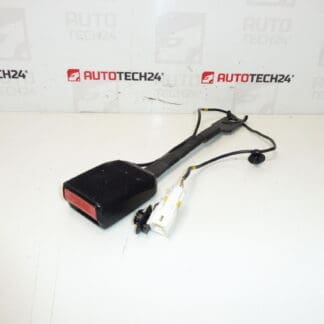
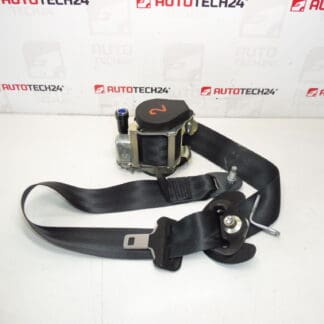
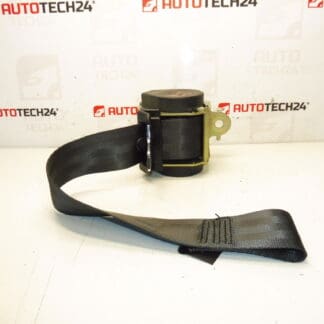
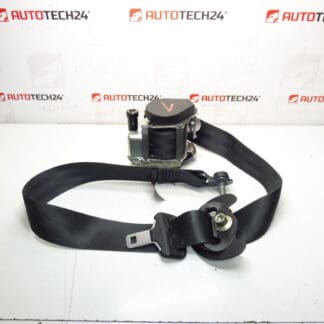
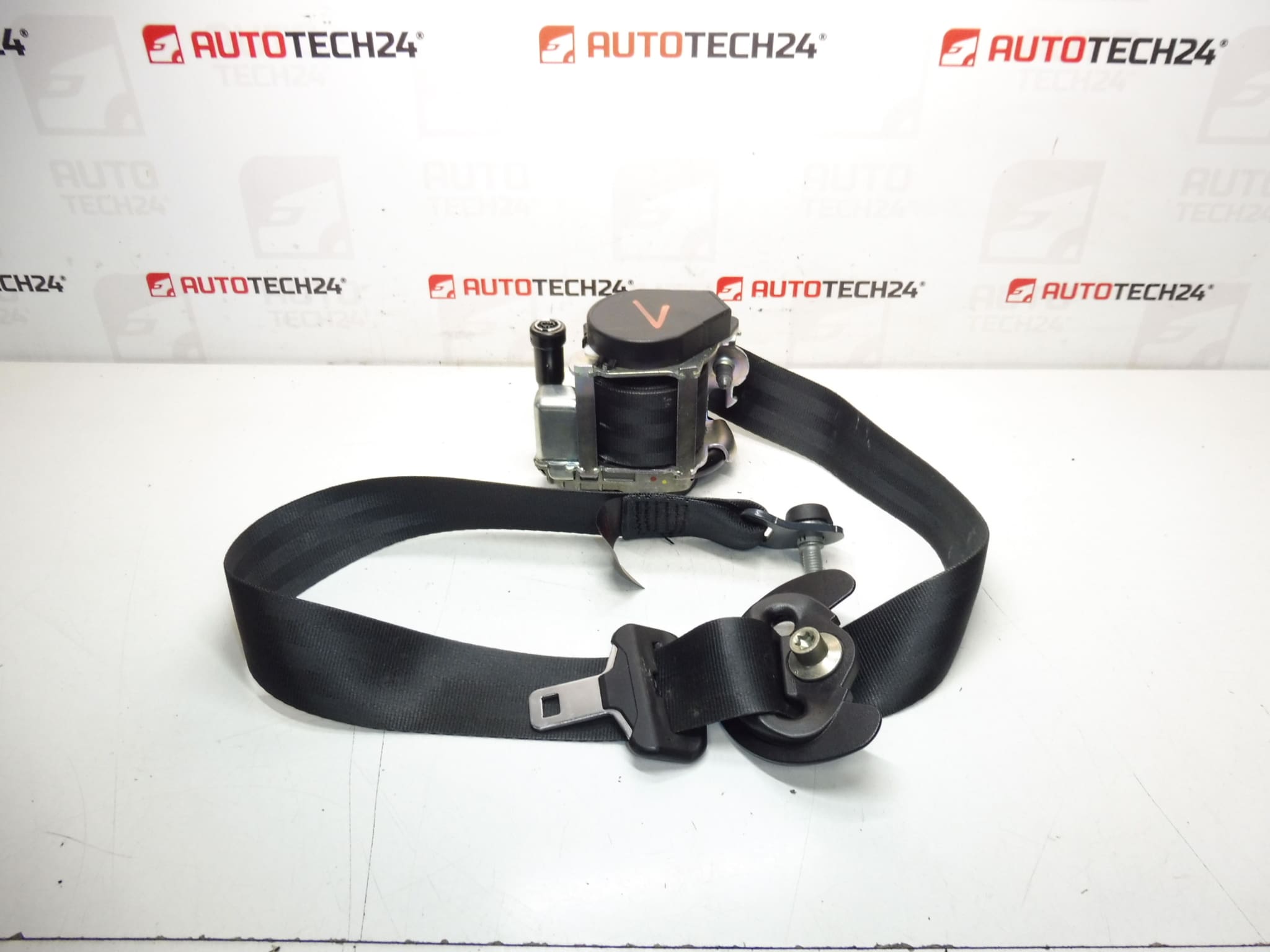
Driver Seat Belt for PEUGEOT 308 T7. Color FXX – Black.
Product Description
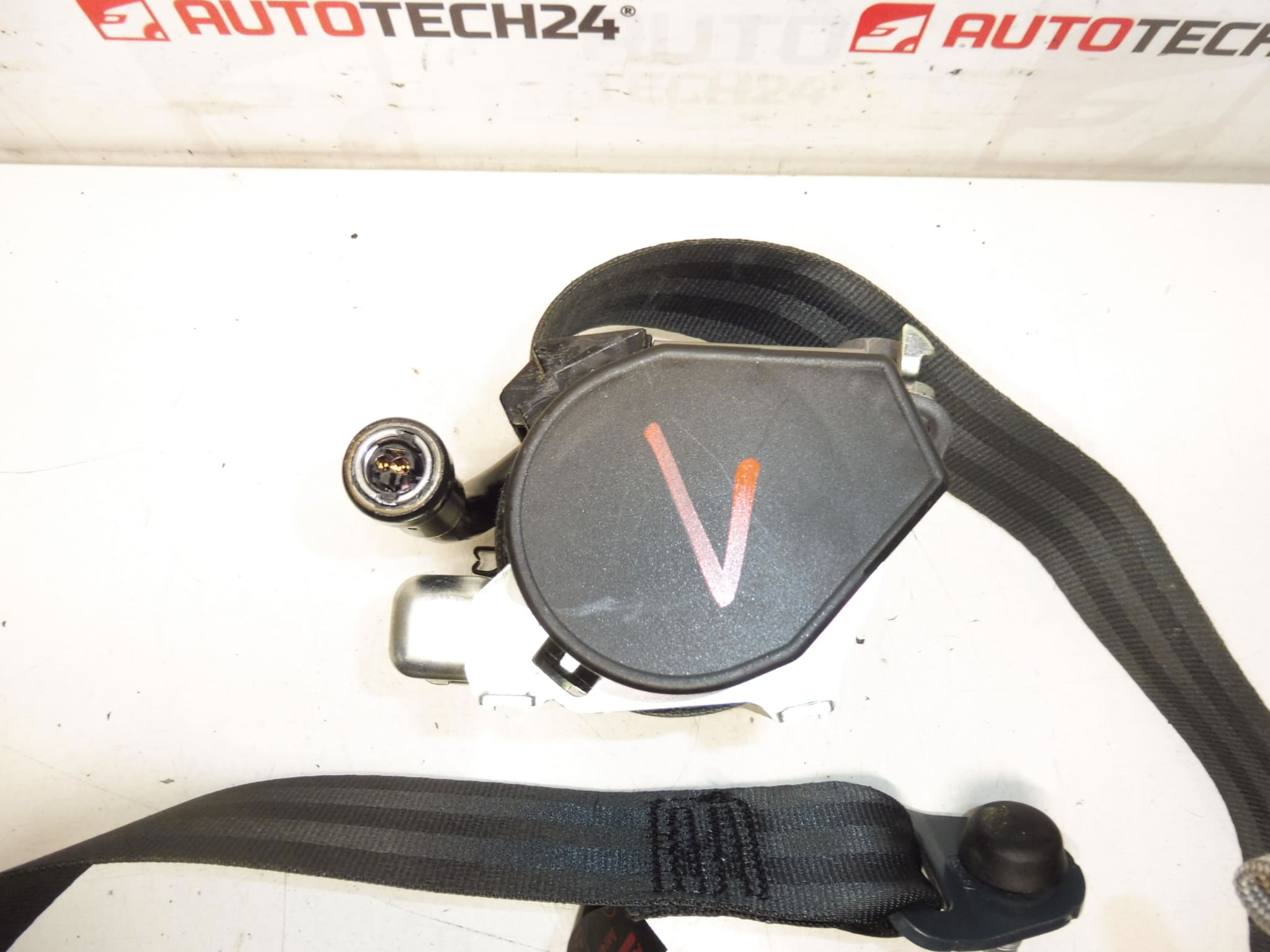
Used Driver Seat Belt for Peugeot 308 (T7) vehicles, supplied with original mounting points and color code FXX (Black). Ideal replacement for workshops and DIY mechanics looking for an OEM-fit safety belt with original part references 96768383XX / 8976S1. Compatible with vehicle systems that use the standard Peugeot/Stellantis seat belt retractor and pretensioner assemblies.
Key Benefits
- Direct fit for Peugeot 308 (T7) – simplifies replacement and reduces installation time.
- Original part references included for fast identification: 96768383XX, 8976S1.
- Preserves safety and restraint geometry when installed according to manufacturer instructions.
- Suitable for professional garages and experienced DIY mechanics.
Technical Information
- Manufacturer: Stellantis (Peugeot/Citroën)
- Model: Peugeot 308 (T7)
- Product Codes: 96768383XX, 8976S1
- Other Numbers: Color Code FXX — Black
Fitment
Designed for Peugeot 308 (T7). Use the product codes (96768383XX / 8976S1) to confirm fitment against the vehicle’s parts listing. The belt assembly includes retractor and anchor interfaces matching OE mounting points.
Installation Recommendations
- Always disconnect the vehicle battery and follow the manufacturer’s procedure before starting work to avoid accidental pretensioner activation.
- Remove interior trim (B-pillar cover) to access upper anchor and retractor. Unbolt lower anchor and retractor mounting bolts using appropriate sockets.
- If the belt assembly has an electrical connector for a pretensioner, disconnect it carefully following safety procedures; observe the manufacturer’s recommended waiting time after battery disconnection.
- Install the new belt in reverse order. Tighten all bolts to the manufacturer’s torque specifications and check correct routing of the webbing.
- After installation, verify smooth extraction and retraction of the webbing and that the buckle latches securely. If necessary, perform a functional check using dealer-level diagnostic tools as specified by the manufacturer.
Most Common Failure Causes
- Accident/Pretensioner Deployment: Seat belts are often replaced after a collision because the pretensioner deploys or the webbing is stressed.
- Wear And Damage: Frayed or cut webbing from sharp edges, frequent rubbing, or contamination reduces effectiveness.
- Retractor Faults: Retractor can stick or lose spring tension due to dirt, corrosion or internal wear.
- Corroded Mounting Points: Moisture and corrosion can weaken anchor bolts or cause seizure, preventing correct operation.
Why Choose This Part
This seat belt provides a cost-effective way to restore occupant restraint to factory geometry using original-style components and references. For repair shops and competent DIYers it’s a practical solution when replacement of a worn or accident-damaged driver belt is required.
Important Notes
Do not attempt to reuse a belt that shows visible damage, fraying, or after pretensioner deployment. Always follow Peugeot/Stellantis service instructions for removal and installation and ensure all fasteners are tightened to the specified torque. Replacement of safety critical parts should be performed by trained personnel when in doubt.