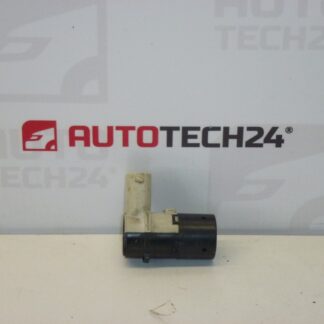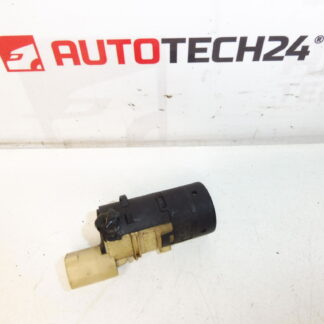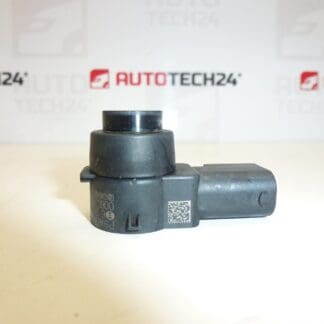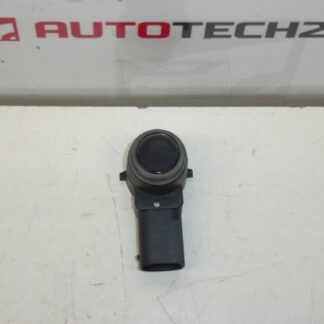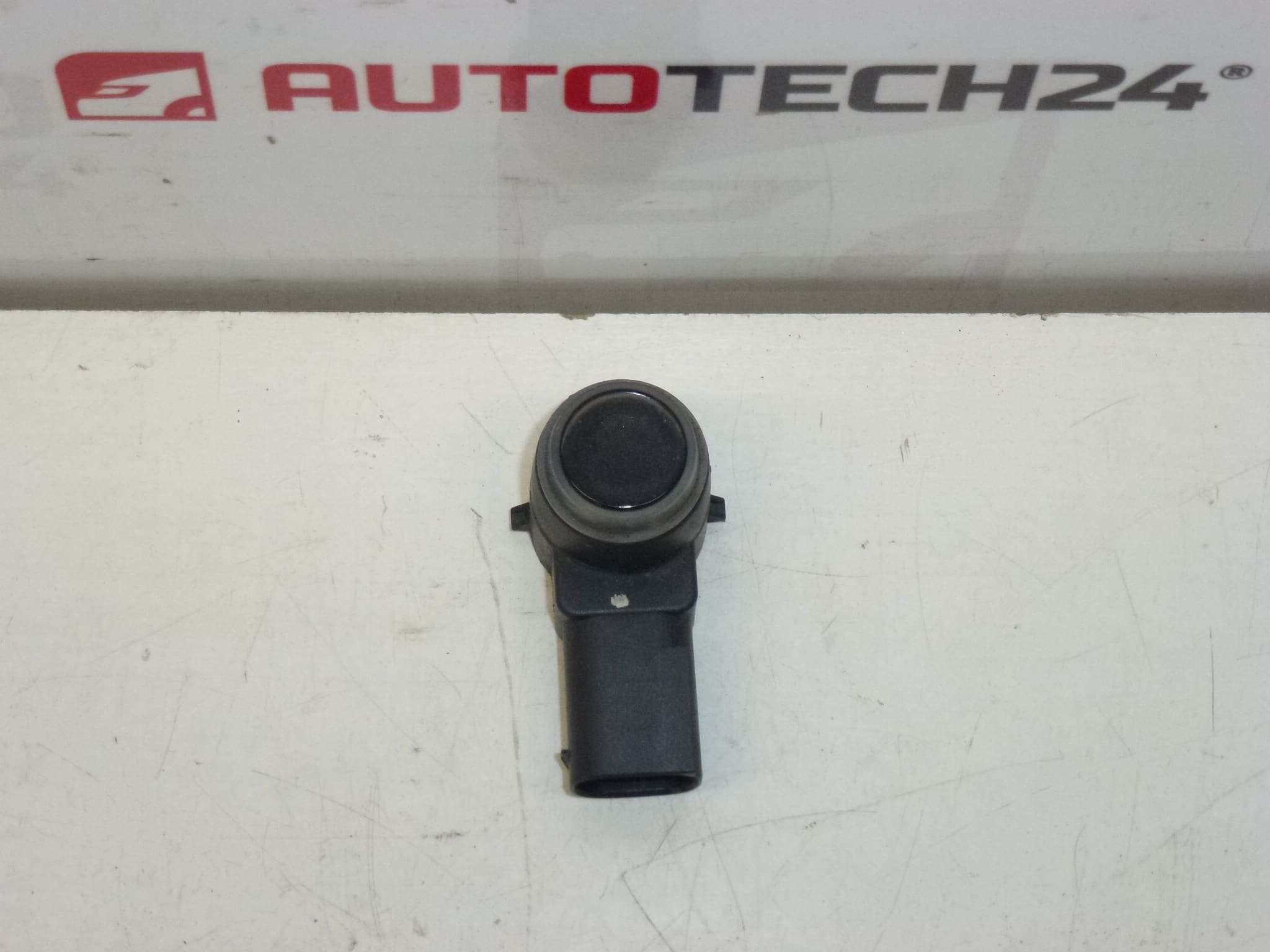
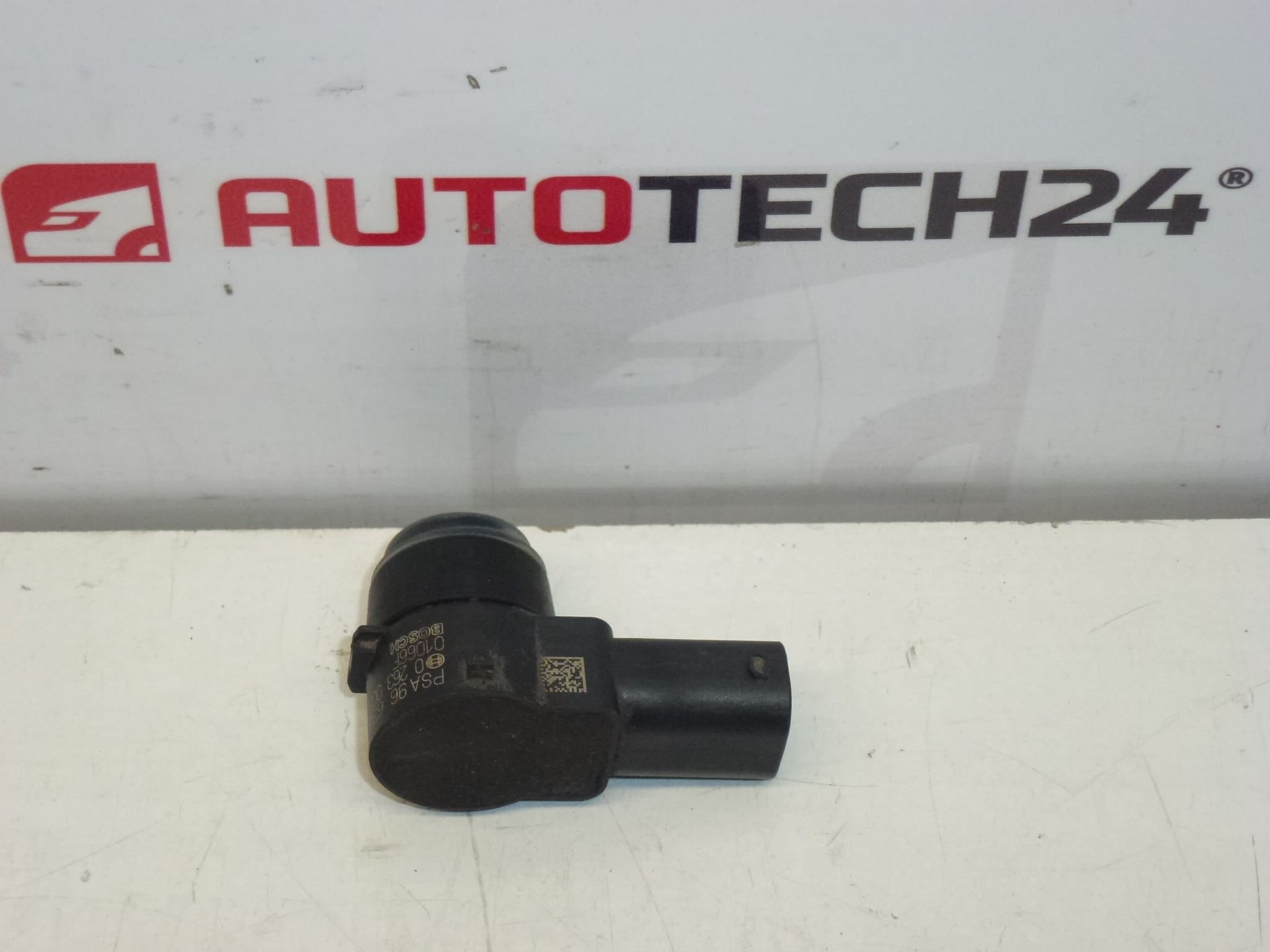
Parking Sensor Bosch Citroën Peugeot 9649614177 XT 0263003246 6590A5

15.00

Stellantis Citroën Peugeot
9649614177XT 0263003246 6590A5

6 in stock

SKU: 3602-N13_K15 Categories: , ,

Description

Parking sensor Bosch for Citroën and Peugeot vehicles. It is from Citroën C5 II.

This Bosch parking sensor is designed for PDC systems on select Citroën and Peugeot models and is a direct replacement sensor used on Citroën C5 II. The sensor detects obstacles by emitting ultrasonic pulses and measuring echoes, providing reliable proximity information to the vehicle’s parking assistance system. Ideal for professional workshops and DIY mechanics, this part restores proper PDC function when an original sensor is damaged or intermittent.

Technical Information

  • Manufacturer: Bosch
  • Model: Citroën C5 II
  • Product Codes: 9649614177; 0263003246; 9649614177XT; 6590A5
  • Other Numbers: Bosch 0 263 003 246; Stellantis references associated with the above OEM numbers

Function And Application

Ultrasonic parking sensors (PDC) measure distance to obstacles and feed that information to the car’s parking assist system to generate audible and/or visual warnings. They are typically mounted in the bumper (rear and/or front, depending on the vehicle) and integrate with the vehicle’s body control module. A faulty sensor can cause false alarms, no detection, or PDC system warning lights on the dashboard.

Installation Recommendations

  • Before starting, put the vehicle in a safe position and disconnect the negative battery terminal if required by the vehicle manufacturer.
  • Access the sensor by removing the inner bumper trim or bumper cover as necessary for the Citroën C5 II. Keep fasteners and clips organized for reassembly.
  • Unplug the sensor connector and release the retaining clip or gasket. Push the sensor out from the bumper recess; install the new sensor in the same orientation until it clicks into place.
  • Reconnect the wiring harness and reassemble the bumper/trim. Verify wiring is free from pinching and that sealing gaskets are correctly seated to prevent moisture ingress.
  • Reconnect the battery (if disconnected) and test the PDC system. Use reverse gear or the vehicle’s PDC self-test to confirm correct operation. If the vehicle stores fault codes, clear them with an OBD tool and re-run the sensor test.
  • Avoid painting over the sensor face and check alignment after installation. Apply a small amount of dielectric grease to the connector pins if corrosion is suspected.

Most Common Failure Reasons

  • Moisture Ingress: Damaged seals or cracked sensor housings allow water into the electronics, causing intermittent faults or complete failure.
  • Physical Damage: Impacts from minor collisions or parking bumps can crack or displace the sensor, impairing its detection range.
  • Connector Corrosion Or Wiring Damage: Corroded pins, broken wires, or poor grounding disrupt signal transmission between the sensor and control module.
  • Contamination Or Paint Over Sensor Face: Dirt, heavy road grime, or overspray can dampen ultrasonic signals and produce false readings.
  • Temperature-Related Issues: Prolonged exposure to extreme cold or ice build-up may temporarily affect sensor performance until cleared.

For workshops and experienced DIYers, replacing the sensor and checking the connector and harness is usually sufficient to restore normal PDC function. Keep the listed product codes handy when searching or ordering, since many mechanics and parts systems locate this sensor by OEM or Bosch reference numbers.

Additional information

Weight 0.4 kg