Description
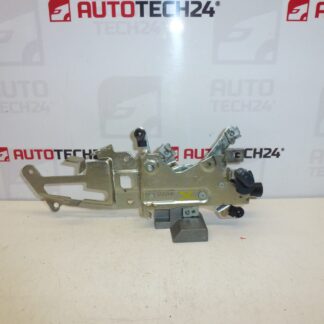
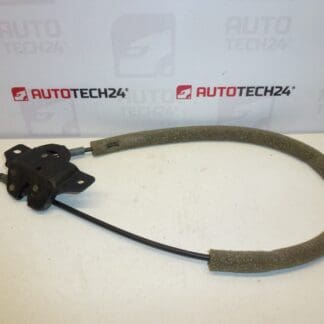
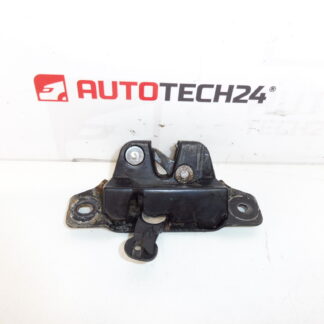
Cable With Lock For Left Rear Wing Door For CITROËN BERLINGO And PEUGEOT PARTNER I And II. Upper Hinge – Used.
This used left rear wing door lock assembly with cable is a direct-fit solution for Citroën Berlingo and Peugeot Partner models (generations I and II). Designed as an OEM-style component, it integrates the lock mechanism and upper hinge connection to restore reliable door latching and opening. Ideal for professional workshops and DIY mechanics who need a cost-effective replacement part that matches factory mounting points and cable routing.
Key Benefits
Provides original mounting geometry for trouble-free installation. Restores secure door closing and proper alignment of the rear wing door. Suitable when the existing cable is stretched, the lock mechanism is seized, or the upper hinge area is worn or damaged. Using a replacement like this reduces labour time compared with fabricating linkages or adjusting heavily worn components.
How The Part Works
The assembly transmits the mechanical movement from the interior/exterior door handle to the latch via a flexible cable and engages the locking mechanism. The upper hinge attachment ensures correct positioning of the door relative to the body and helps maintain smooth opening/closing action.
Replacement Procedure (Overview)
- Remove the interior door trim to access the lock mechanism and cable routing.
- Disconnect the cable from the door handle and latch; unbolt the lock assembly and upper hinge fastenings.
- Transfer any retainers or clips as needed and fit the new assembly, ensuring the cable is routed without kinks and secured by original clips.
- Reassemble the latch and adjust door alignment if required; check smooth operation of handle and lock.
- Test central locking and manual operation several times before finalising trim reinstallation.
Technical Information
- Manufacturer: Stellantis (Citroën / Peugeot)
- Model: Citroën Berlingo I, Citroën Berlingo II, Peugeot Partner I, Peugeot Partner II
- Product Codes: 8726C8
- Additional Numbers: None Known
Installation Recommendations
- Work In A Dry, Well-Lit Area And Keep Fasteners Organized For Reassembly.
- Carefully Inspect And Reuse Any Intact Clips Or Replace With New Ones—Broken Plastic Retainers Are A Common Cause Of Rattle Or Misrouting.
- Apply Suitable Lubricant To Moving Points (Latch, Hinge Pivot) To Extend Service Life And Ensure Smooth Operation.
- After Installation, Check Door Alignment, Latch Engagement And Central Locking Function; Make Minor Adjustments To Striker Or Hinge If Necessary.
- For Safety, Follow Manufacturer’s Torque Specifications For Hinge And Lock Fasteners.
Most Common Cause Of Failure
Failures typically result from cable wear or fraying, corrosion and water ingress affecting the lock mechanism, broken plastic clips or retainers that allow the cable to slip out of position, and fatigue of hinge mounting points causing misalignment. Repeated door slamming, exposure to road salt and lack of lubrication accelerate deterioration.
Order by Part Number 8726C8 to ensure fast identification and streamline your workshop repair process. This component is a practical replacement for restoring reliable operation of the left rear wing door on compatible Citroën and Peugeot models.