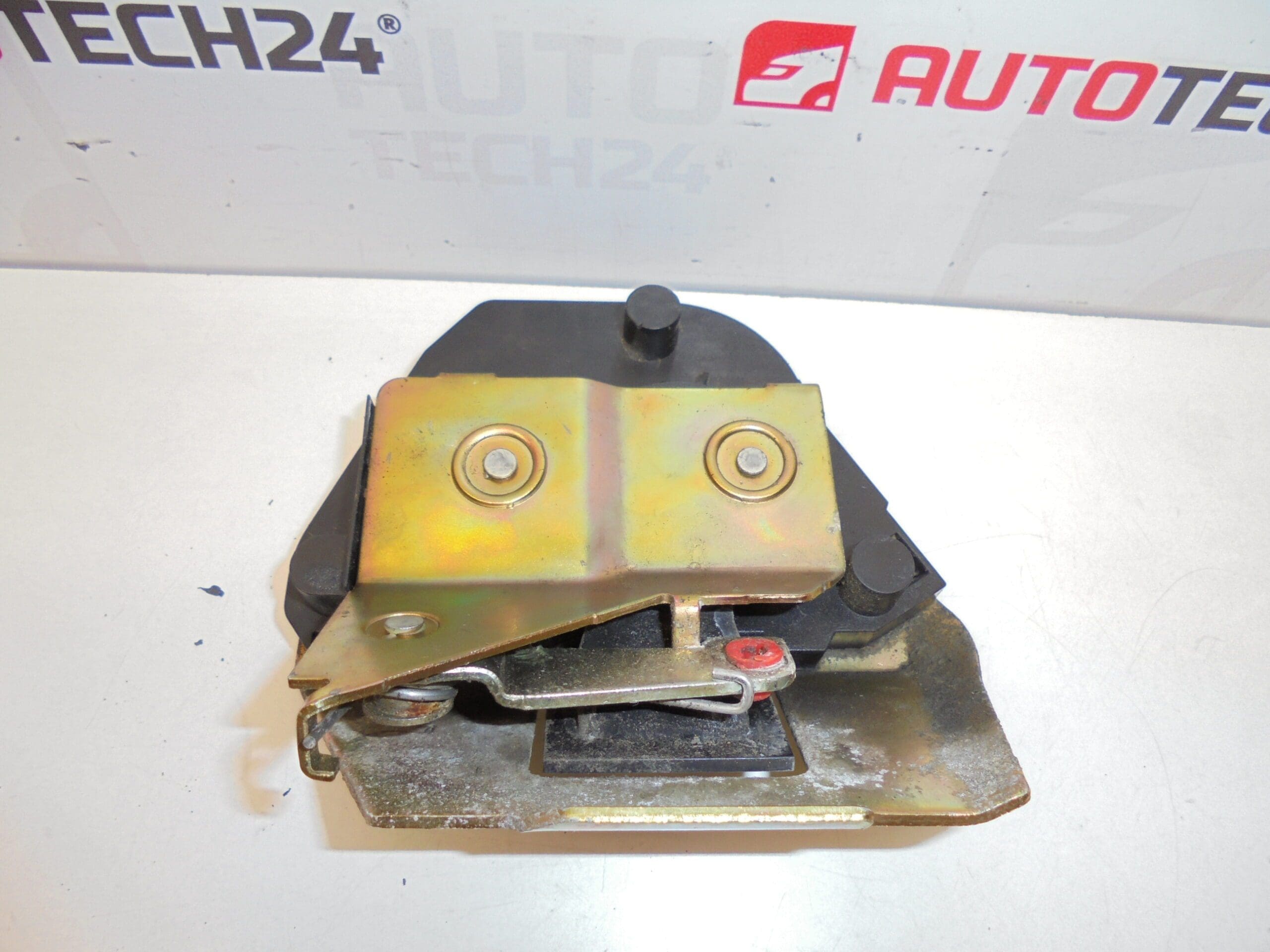
Description
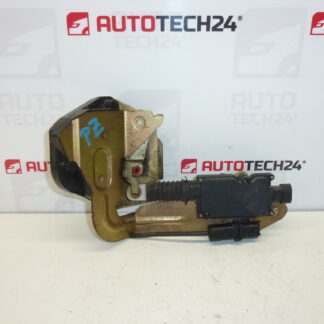
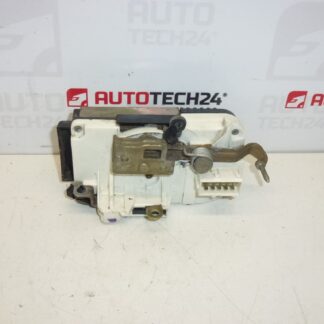
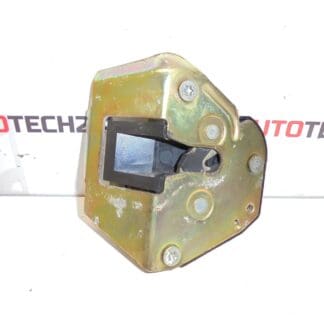
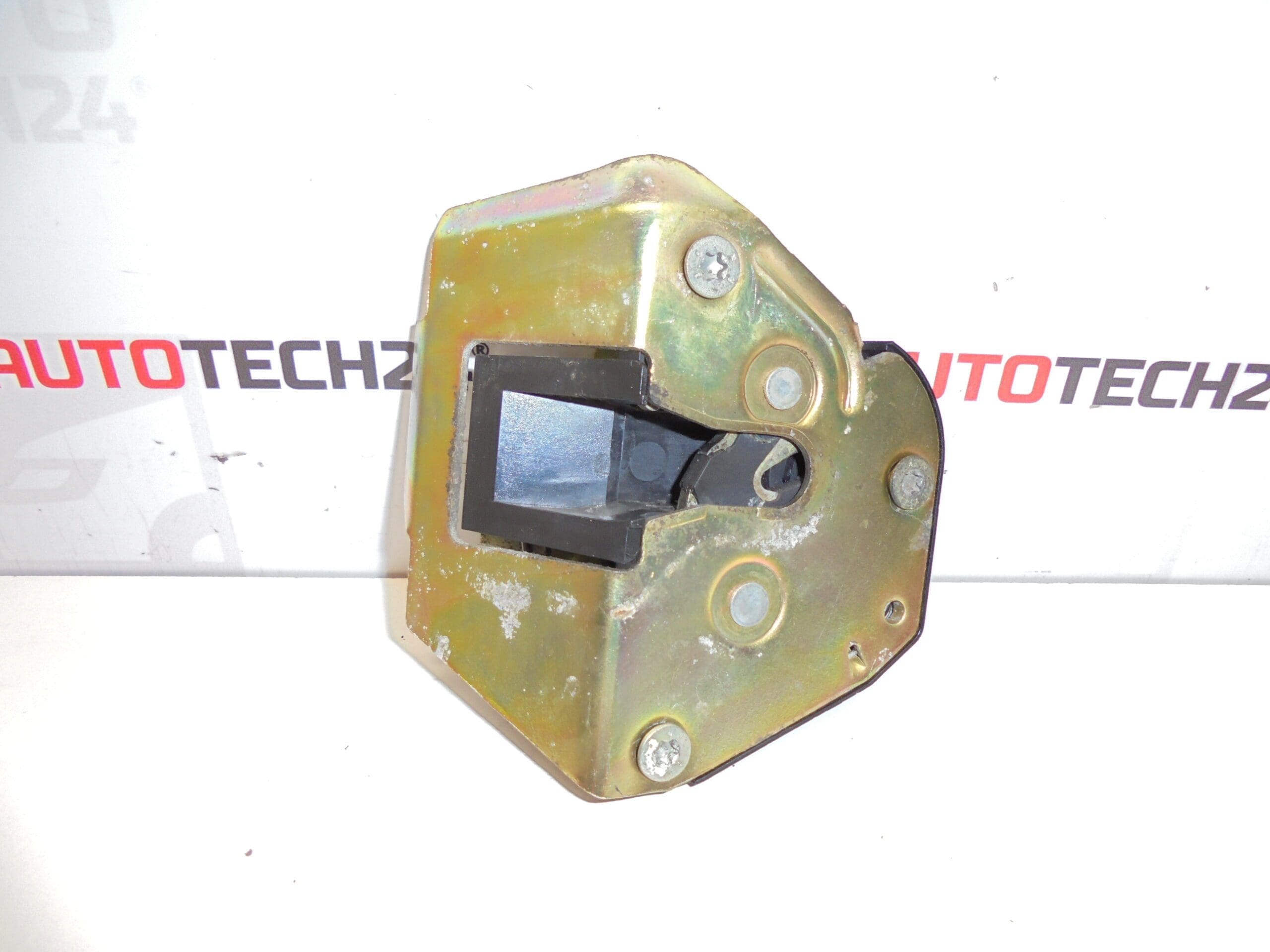
Lock for left rear sliding door for CITROËN C8 and PEUGEOT 807
This left rear sliding door lock (part number 9137A7) is a direct replacement designed for Citroën C8 and Peugeot 807 vehicles. Ideal for professional workshops and experienced DIY mechanics, the unit restores secure latching and reliable central-locking feedback on the sliding door. The lock assembly is commonly searched by its product code (9137A7), so using the correct reference speeds up identification and fitment.
Function: The locking mechanism secures the sliding door in the closed position, interfaces with the central locking system and door handle/linkage, and provides the latch action required for safe operation of the door. On electrically equipped vehicles the assembly typically includes microswitches or an actuator input that informs the vehicle electronics of door status.
Technical Information
- Manufacturer: Stellantis / Citroën / Peugeot
- Model: Citroën C8, Peugeot 807
- Product Codes: 9137A7
- Other Numbers: No additional OE numbers provided
Installation Recommendations
- Disconnect the negative battery terminal before starting work on any electrical connectors to avoid short circuits.
- Remove the interior sliding door trim panel to access the lock assembly—keep clips and screws organized for reassembly.
- Disconnect the electrical connector(s) and any mechanical linkages from the old lock; note the positions to ensure correct reassembly.
- Unbolt and remove the old lock, then fit the new unit, ensuring the latch engages with the striker plate correctly.
- Adjust door alignment if necessary to prevent binding; test locking, unlocking, and sliding action with the door both open and closed.
- After installation, check central locking operation, interior and exterior handles, and door warning switch function if present.
Why This Part Fails Most Often
- Wear And Mechanical Fatigue: Repeated use causes wear on latch pawls, plastic gears and metal components, leading to poor engagement or jamming.
- Corrosion And Moisture Ingress: Water or road salt can corrode metal parts and degrade electrical contacts or microswitches, especially in older vehicles.
- Damaged Linkage Or Misalignment: Impact, door sag or worn hinges can place extra stress on the lock, causing premature failure or difficulty latching.
- Contaminants And Lack Of Lubrication: Dirt and lack of maintenance cause sticking or noisy operation; periodic lubrication of moving parts prolongs service life.
Typical Symptoms Of A Faulty Lock: Door that will not latch or opens unexpectedly, inability to lock/unlock via central locking, rough or noisy operation of the latch, or failure to register closed-door signal to the vehicle electronics.
Maintenance Tip: Keep the latch area clean and lightly lubricated with a suitable dry or graphite lubricant for mechanisms—avoid heavy oils that attract dirt. Inspect door seals and drainage points to reduce water exposure to the lock assembly.