Description
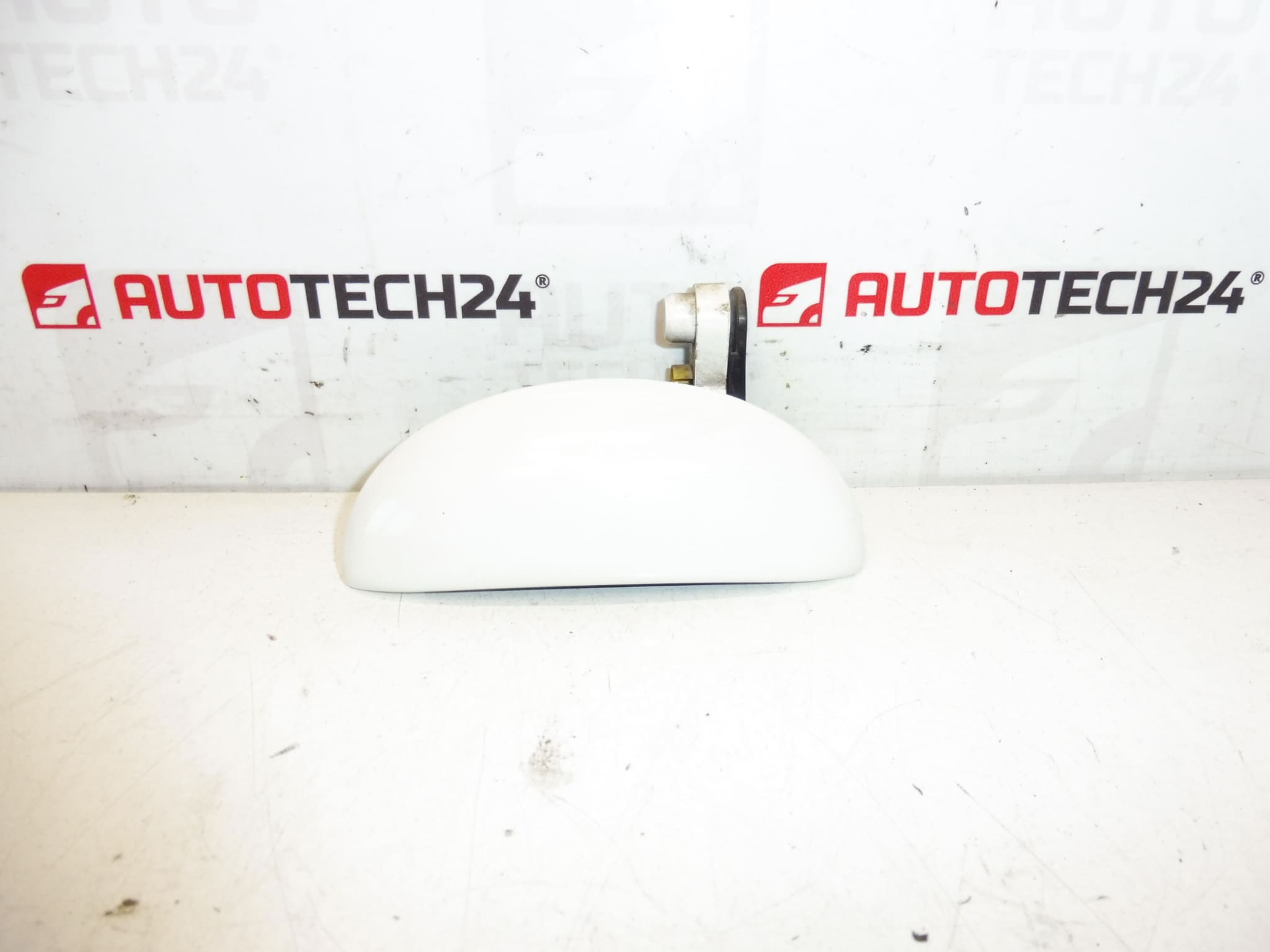
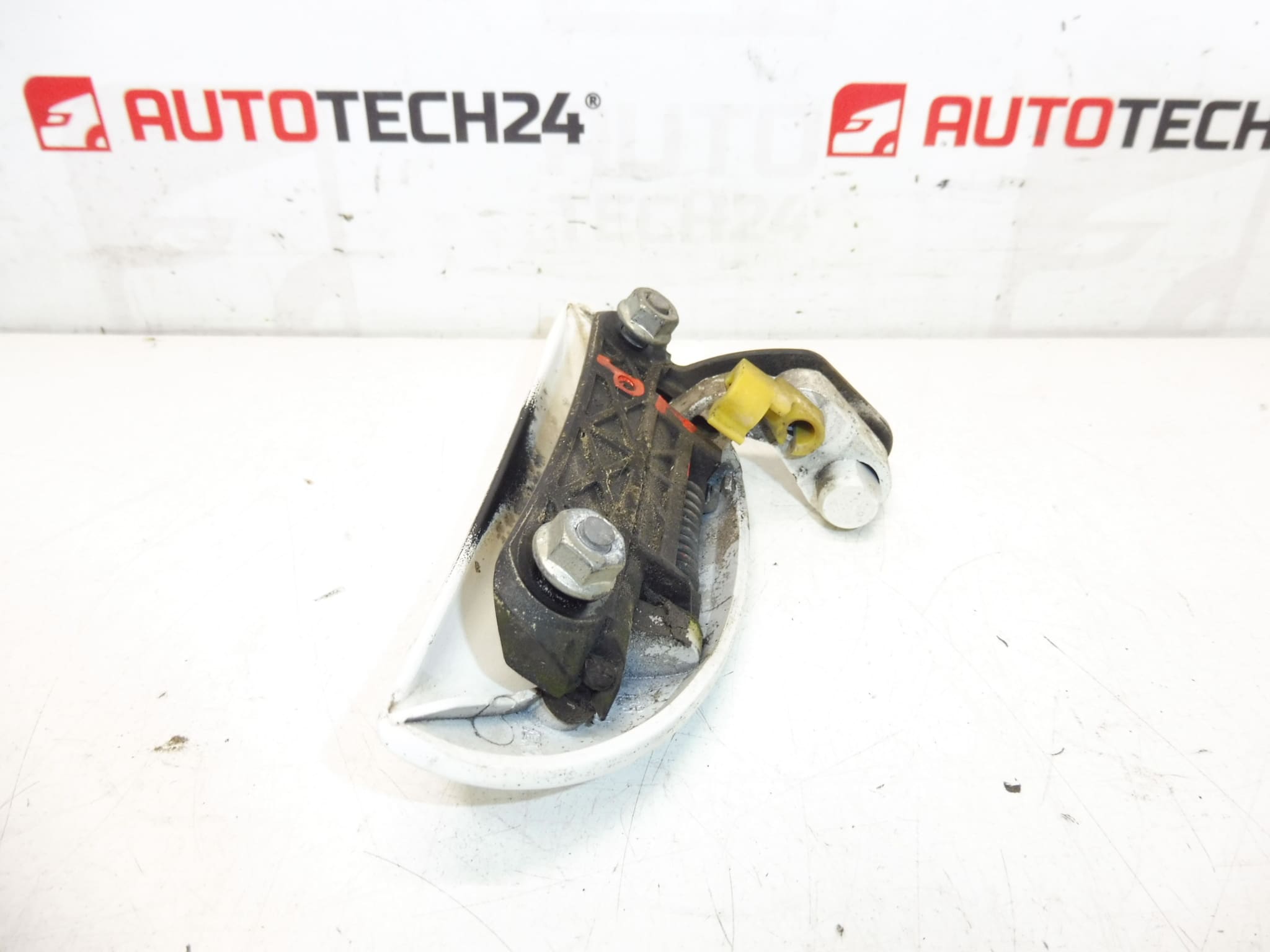
Left Front Door Handle For Citroën C1 And Peugeot 107 First Series. Color KWD – Paint White Lipizan.
Product Description
Durable left front exterior door handle designed for first-series Citroën C1 and Peugeot 107. This painted handle (Color Code KWD – Lipizan White) matches factory finishes and fits the original mounting points for a direct replacement. Ideal for professional workshops and DIY mechanics looking for a reliable OEM-compatible solution that restores correct operation and appearance.
Key Features
- Direct Fit For Citroën C1 And Peugeot 107 (First Series)
- Factory Color Match: KWD (Lipizan White)
- Replaces Worn, Broken Or Damaged Left Front Exterior Handle
- Made To Fit Original Mounting Brackets And Linkages
Function And Benefits
The exterior front door handle provides the mechanical interface to unlatch the door from outside. It transfers pull force through a lever and cable or rod to the door latch assembly. A correctly fitting handle ensures smooth operation, prevents water ingress around the opening, and maintains the original vehicle aesthetics.
How It Fails Most Often
Door handles on small city cars commonly fail because of mechanical wear, plastic clip or pivot breakage, corrosion of internal metal linkages, or damage from impacts and excessive force. UV exposure and repeated use can make painted surfaces chip or crack, and internal fastening points can wear or snap, causing the handle to become loose or inoperative.
Replacement Guide
Basic removal and installation steps for experienced mechanics or confident DIYers:
- Disconnect Battery: Always disconnect the negative terminal before interior trim removal to avoid short circuits.
- Remove Door Trim: Carefully pry off the interior door panel, releasing plastic clips and unplugging any electrical connectors (speakers, switches).
- Access Handle Mechanism: Peel back the vapor barrier to expose the latch area. Locate the interior retaining bolts/screws for the exterior handle.
- Release Linkages: Unhook the latch rod or cable from the handle. Note positions for correct reassembly.
- Remove Handle: Unscrew or unbolt the handle from the door shell and pull it out from the exterior side.
- Fit New Handle: Position the new handle, secure fasteners, reconnect rods/cables, and test mechanical operation before reassembling the door trim.
- Final Check: Ensure the door opens and locks smoothly from both inside and outside and that the paint match meets expectations.
Recommendations For Installation
- Use Correct Tools: Torx/Screwdriver Set, Trim Removal Tools, Pliers For Clips.
- Replace Damaged Clips: If plastic clips or gaskets are worn, replace them to prevent rattle and water ingress.
- Lubricate Moving Parts: Apply suitable grease to pivots and latch linkages to ensure long-term smooth operation.
- Handle Painted Parts With Care: Avoid aggressive polishing that could damage the paint; inspect paint match in daylight before fitting.
Technical Information
- Manufacturer: Stellantis
- Model: Citroën C1; Peugeot 107 (First Series)
- Product Codes: 9101AK
- Additional Numbers: Color Code KWD (Lipizan White)
Notes
This part is intended as a direct exterior handle replacement for the left front door of compatible models. Confirm fitment by comparing the mounting points and color code with the original component before installation.