Description
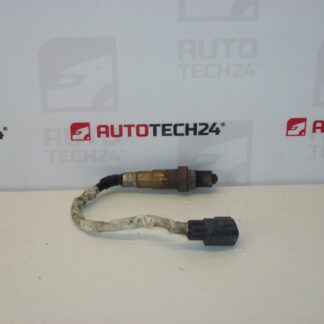
Lambda Sensor 1.0i Citroën C1 Peugeot 107 — Upper, Before Catalytic Converter. Number Of Pins: 4.
High-quality upstream lambda (oxygen) sensor designed for Citroën C1 and Peugeot 107 1.0i engines. This heated 4-pin oxygen sensor (pre-catalyst) continuously measures the oxygen content in the exhaust gases and provides the engine control unit with the signal needed to maintain optimal air–fuel ratio. Correct operation improves fuel economy, reduces emissions and protects the catalytic converter. Commonly searched under the code 1618Q5, this sensor is a direct-fit replacement for vehicles equipped with the 1.0i engine and the factory upstream sensor location.
Technical Information
- Manufacturer: Stellantis (Citroën / Peugeot)
- Model: Citroën C1, Peugeot 107 (1.0i)
- Product Codes: 1618Q5
- Additional Numbers: Not Provided
- Position: Upstream (Pre-Catalyst)
- Connector/Pins: 4-Pin Heated Oxygen Sensor
Function And Benefits
The upstream lambda sensor measures exhaust oxygen levels and sends a voltage signal to the engine control unit to adjust injector timing and fuel trim. A functioning sensor ensures correct combustion, reduces fuel consumption, prevents long-term catalyst damage and helps pass emissions tests. Replacing a faulty upstream sensor restores proper closed-loop fuel control and can eliminate drivability issues caused by incorrect air–fuel ratios.
Installation Recommendations
- Allow the exhaust to cool before starting work. Work on a cold exhaust to avoid burns and prevent heat-related damage to the new sensor.
- Raise and support the vehicle safely if required to access the sensor. Always use appropriate jack stands.
- Disconnect the electrical connector and inspect wiring for heat or abrasion damage. Replace damaged wiring or connectors before installing the new sensor.
- Use a dedicated oxygen sensor socket or suitable wrench to remove the old sensor. Apply penetrating oil if the sensor is seized, taking care not to contaminate the sensor tip or wiring.
- Check whether the replacement sensor has anti-seize compound pre-applied. If not, apply a minimal amount of high-temperature anti-seize to the threads only—do not allow anti-seize on the sensor tip or electrical terminals.
- Screw in the new sensor by hand to avoid cross-threading, then tighten to the manufacturer’s torque specification (typically around 30 Nm, but follow official data where available).
- Reconnect the electrical connector, lower the vehicle and clear any stored fault codes with an OBD scanner. Verify proper operation by checking for absence of fault codes and monitoring live O2 sensor readings in closed-loop conditions.
Why This Part Most Commonly Fails
Upstream oxygen sensors fail primarily due to contamination and thermal stress. Contaminants such as oil, coolant, silicone-based sealants, or excessive fuel additives can coat the sensing element and degrade readings. Repeated extreme heat cycles and vibration also wear the sensor over time. Symptoms of a failing sensor include illuminated check engine light, poor fuel economy, rough idle, hesitation under acceleration and failed emissions tests. Typical service life varies with driving conditions, but upstream heated sensors commonly begin to degrade after tens of thousands of kilometers; harsh driving, poor maintenance or engine issues can shorten lifespan significantly.
Quick Fit Notes For Mechanics And DIYers
When replacing this sensor on Citroën C1 or Peugeot 107 1.0i, check the wiring harness routing and connector locking tab for corrosion or damage. If the vehicle exhibits rich or lean fault codes (e.g., P0130–P0167 family codes), inspect upstream sensor wiring and exhaust leaks before replacing the sensor. After fitment, confirm closed-loop operation with a diagnostic tool to ensure the ECU is receiving correct feedback from the new sensor.