Description
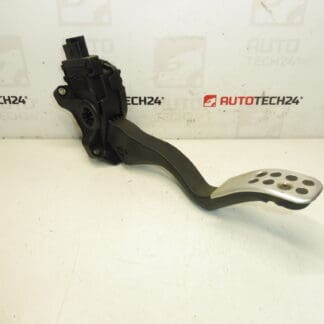
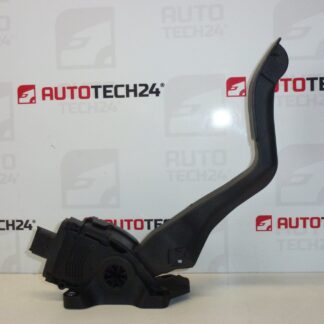
Bosch Accelerator Pedal for Peugeot 206
This is an electronic Bosch accelerator pedal assembly designed for use on Peugeot 206 vehicles. The unit integrates the pedal mechanism with a throttle position sensor to deliver precise drive-by-wire input to the engine control system. It is a direct-replacement part referenced under OEM numbers and is aimed at professional technicians and competent DIYers who service Peugeot models.
Key Benefits
- Direct fit replacement for affected Peugeot 206 applications, matching original Bosch quality and electrical characteristics.
- Accurate pedal position sensing for smooth throttle response and reliable drive-by-wire performance.
- Durable construction designed for automotive environments—reduces the risk of intermittent throttle faults caused by worn potentiometers or damaged connectors.
Technical Information
- Manufacturer: Bosch
- Model: Peugeot 206
- Product Codes: 0280755074
- Additional Numbers: 9659449880, 1601T1
How The Part Works
The pedal assembly converts the driver’s foot movement into an electrical signal that is sent to the engine control unit. Modern systems use a position sensor (often redundant channels) to ensure accurate and safe throttle control. Faulty signals from the pedal can trigger limp mode, throttle cut, or error codes in the engine management system.
How To Replace
Replacement is straightforward for a trained mechanic or experienced DIYer with basic tools. Typical steps:
- Park the vehicle on level ground, engage the parking brake and, for safety, disconnect the negative battery terminal before starting work.
- Remove lower dash trim or footwell covers to access the pedal assembly.
- Unplug the electrical connector from the pedal and remove the retaining bolts or screws securing the assembly to the pedal box.
- Fit the new pedal assembly, tighten fasteners to the vehicle manufacturer’s torque recommendations, plug in the connector and reinstall trim.
- Reconnect the battery and perform a functional check: verify pedal travel, no warning lights, and smooth engine response. Some vehicles may require a throttle adaptation or learning procedure using diagnostic equipment.
Installation Recommendations
- Always Disconnect The Battery Before Work: To prevent electrical damage and false fault codes, disconnect the negative battery terminal before removing or installing the pedal.
- Use Correct Fastener Torque: Secure mounting bolts to the manufacturer’s specified torque to avoid loosening or damage.
- Check Connector And Wiring: Inspect the harness and plug for corrosion, bent pins or damaged insulation—repair any issues before completing installation.
- Verify Pedal Operation After Installation: Confirm smooth travel and proper idle/throttle response. If the vehicle shows throttle-related fault codes, a diagnostic tool may be required to clear codes or perform adaptations.
Most Common Failure Reasons
- Sensor Wear Or Internal Potentiometer Faults: Over time, internal sensor elements can degrade, leading to erratic or incorrect position signals.
- Contamination And Moisture Ingress: Dirt, water or corrosion at the connector or inside the assembly can cause intermittent faults.
- Mechanical Damage Or Excessive Play: Broken springs, damaged pivot points or impact damage from improper use can impair pedal function.
- Wiring And Connector Issues: Chafed wires, loose terminals or corrosion are frequent causes of electrical faults attributed to the pedal.
Service Life And Notes
Service life varies by vehicle usage and environment. Many units remain functional well beyond 100,000 km when kept dry and free of contamination, but electrical or mechanical faults can occur earlier in aggressive conditions. When replacing the pedal, inspect related components (wiring, connectors, and throttle body) to ensure a complete repair.