Description
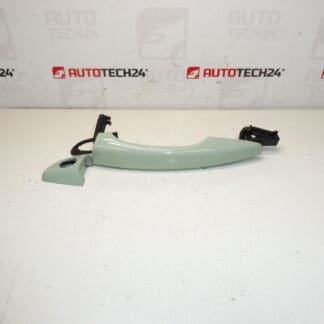
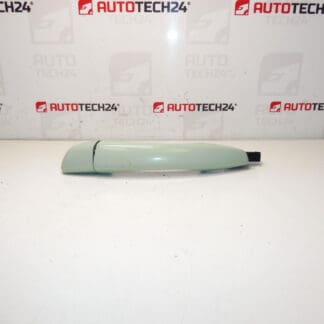
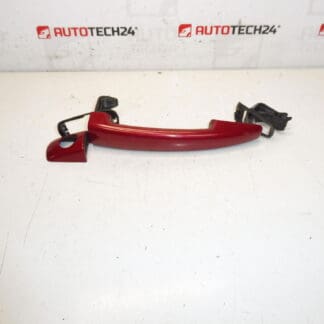
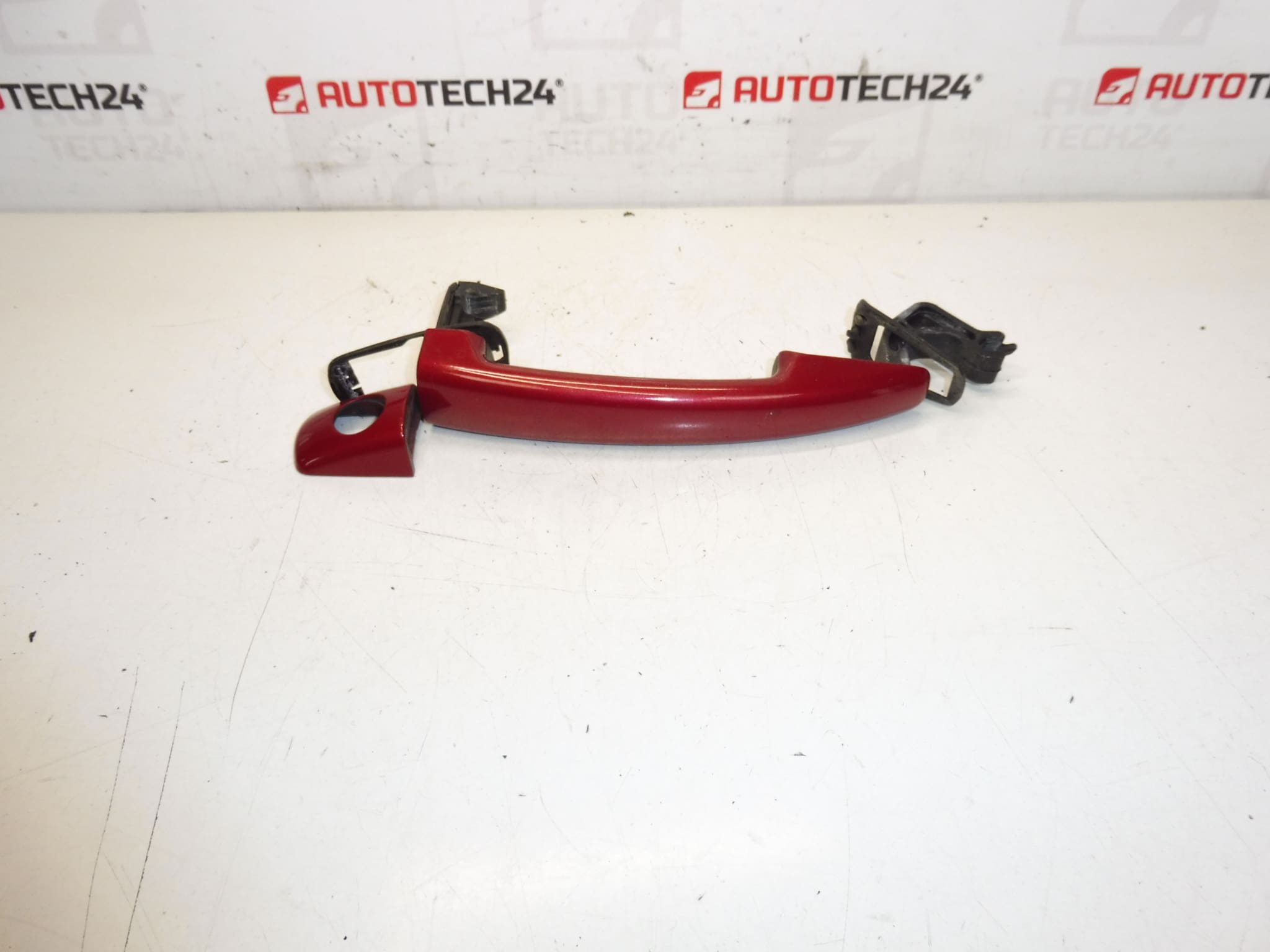
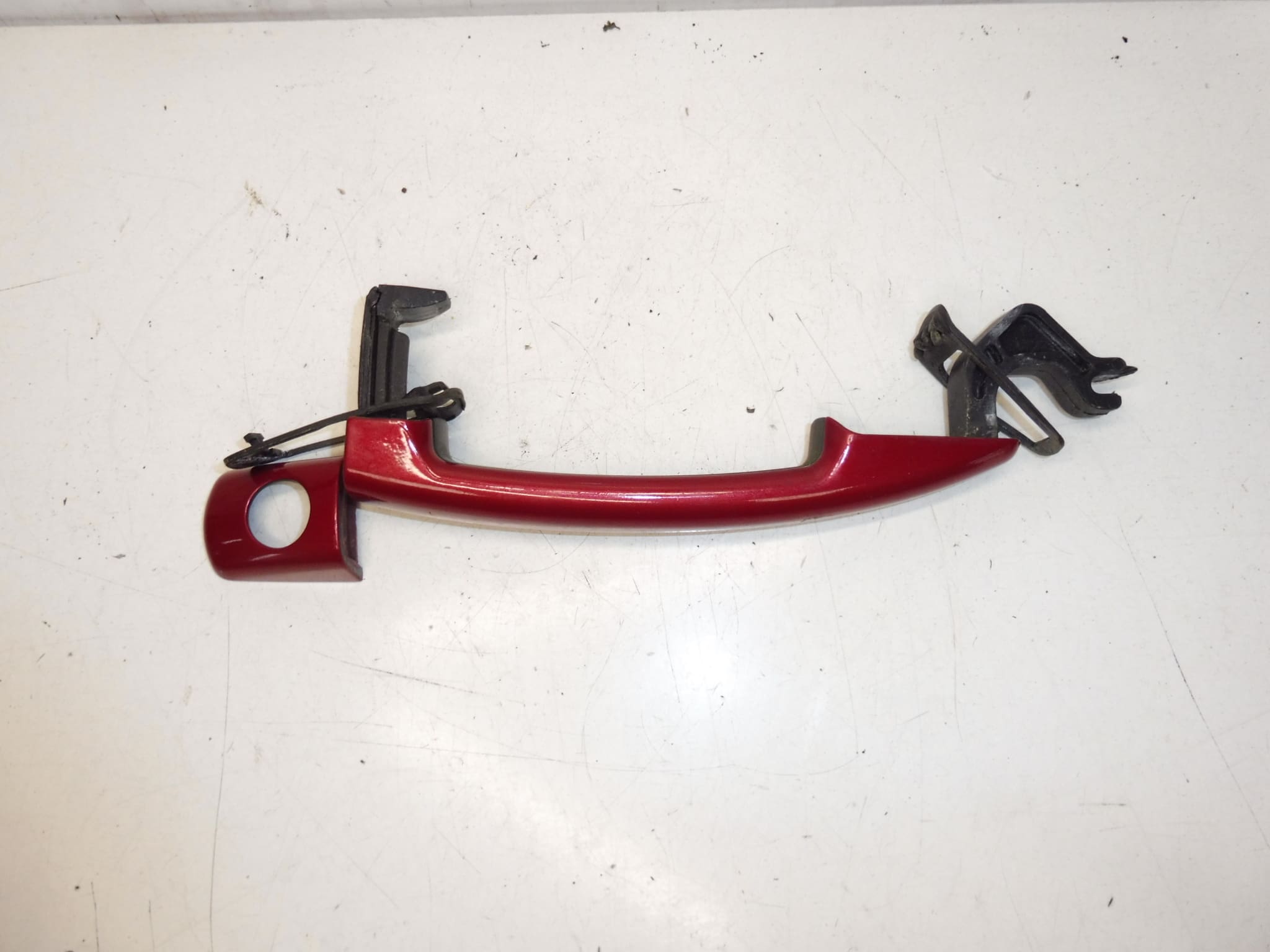
Left Front Driver’s Door Handle For PEUGEOT 3008 And 5008 First Generation. Color EPY – Rubi Red Paint.
Product Overview
Replacement left front driver’s door handle designed for PEUGEOT 3008 and 5008 first generation vehicles. This exterior handle in EPY Rubi Red finish restores the original appearance and function after damage, wear or paint chipping. Ideal for professional workshops and experienced DIYers who need a direct-fit, color-matched part. Commonly searched by part code 9101KJ / EPYD, making it easy to find the exact unit for the job.
Key Features
- Direct-fit replacement for the left front (driver’s) door.
- Original color code EPY (Rubi Red) for a factory-correct finish.
- Suitable for both professional mechanics and competent DIY repairs.
- Matches exterior styling and locking/mechanism mounting points of first-generation 3008/5008 models.
Technical Information
- Manufacturer: Stellantis / Peugeot
- Model: Peugeot 3008 I, Peugeot 5008 I
- Product Codes: 9101KJ, EPYD
- Other Numbers: None Provided
Function And Common Faults
The door handle provides the mechanical interface to open the front left door and transmits motion to the internal latch and locking mechanism. Typical failures are mechanical in nature: worn pivot points, broken plastic levers, snapped mounting tabs, paint damage, or deformation after minor collisions. Corrosion and moisture ingress can accelerate wear of metal linkages, while prolonged UV exposure makes plastic components brittle and prone to cracking. Forced entry attempts also commonly damage external handles.
Replacement Guide
Changing the handle is a straightforward job for a trained technician or an experienced DIYer with basic tools. Typical time: 30–60 minutes.
- Tools Required: Trim removal tools, Torx/screwdriver set, pliers, socket set.
- Steps Overview:
- Carefully remove the interior door trim to access the handle mounting area (use trim tools to avoid breaking clips).
- Detach any rods or cables connected to the handle and unclip the locking linkage.
- Unscrew or unbolt the handle retaining fasteners and remove the old handle from the door shell.
- Fit the new handle into position, secure fasteners, reconnect rods/cables and verify smooth operation of latch and lock.
- Reinstall the interior trim and test door opening, closing and locking functions.
Installation Recommendations
- Work On A Stable Surface: Park the vehicle on level ground and secure it before starting.
- Protect Interior Trim: Use soft covers to avoid scratches when removing panels.
- Check Linkages: Inspect all connecting rods, clips and the latch for wear—replace any damaged components while you have the door open.
- Test Thoroughly: Confirm smooth mechanical operation of the handle, latch engagement and central locking (if applicable) before finishing reassembly.
Why This Part Fails Most Often
- Mechanical Wear: Repeated use causes pivots and plastic components to wear out.
- Environmental Damage: UV exposure and temperature cycles make plastic brittle; moisture promotes corrosion.
- Impact Damage: Minor collisions or door jams can crack or deform the handle.
- Forced Entry: Tampering or break-in attempts often result in visible damage and broken mechanisms.
Fitment And Searching Tips
When searching for this part, include the vehicle model (Peugeot 3008 I / 5008 I), color code EPY (Rubi Red) and product codes 9101KJ or EPYD to quickly locate the correct handle. This ensures color match and correct mounting geometry for a clean, factory-like repair.