Description
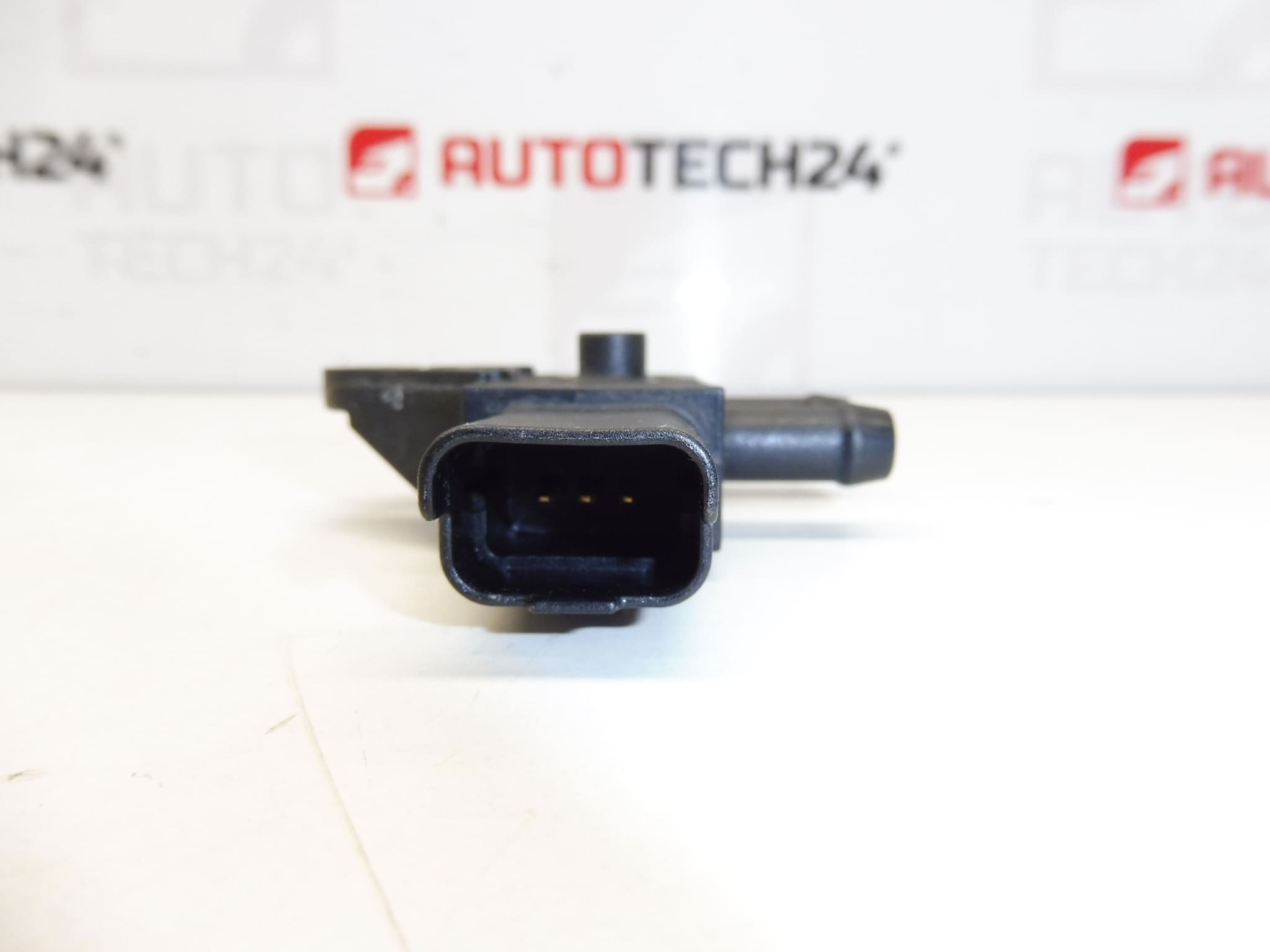
Differential pressure sensor for the DPF exhaust system for Citroën and Peugeot vehicles
This differential pressure (DPF) sensor is designed for Citroën and Peugeot diesel vehicles and is a direct-fit replacement part often searched by OE number 9662143180. It monitors the pressure difference across the particulate filter to help the engine management estimate soot loading, control regeneration cycles and trigger diagnostic warnings. Built for workshop use and confident DIY mechanics, this sensor restores correct DPF monitoring, helps avoid unnecessary regenerations and contributes to stable engine performance.
Application And Benefits
Compatible With: Citroën C3 Picasso, Citroën C4 II, Citroën C4 Picasso, Peugeot 307, Peugeot 308. The unit is a simple, plug-and-play replacement in most installations and is commonly located near the DPF or mounted on a bracket in the engine bay. Replacing a faulty differential pressure sensor typically clears DPF warning messages, prevents failed regeneration attempts and can reduce fuel consumption associated with repeated regeneration cycles.
How It Works
The sensor measures the pressure difference between two points (upstream and downstream) of the diesel particulate filter. The engine ECU uses this differential pressure value to estimate soot accumulation inside the DPF and decide when to request active regeneration. A faulty or out-of-spec sensor will cause incorrect soot readings, triggering fault codes and preventing correct regeneration.
Installation Recommendations
- Park Vehicle Safely And Cool Down: Work only on a cooled exhaust system to avoid burns.
- Disconnect Battery: To prevent electrical shorts, disconnect the battery before unplugging the sensor connector or handling electrical parts.
- Inspect Hoses And Connections: Check the two pressure hoses for blockages, cracks or collapsed sections and replace them if brittle or contaminated.
- Careful Removal: Release the electrical connector, then remove the vacuum/pressure hoses. Do not pull on the wiring—use the connector body.
- Refit Securely: Fit the new sensor, ensure hoses are correctly routed and seated, and reconnect the electrical plug.
- Post-Installation: Clear related fault codes with a diagnostic tool and carry out a forced regeneration if necessary to confirm correct operation.
Reasons Why The Part Most Often Fails
- Soot Contamination And Blocked Hoses: Accumulation of soot or carbon can clog the pressure lines leading to incorrect readings.
- Heat And Vibration Damage: Prolonged exposure to high exhaust temperatures and engine vibration can degrade the sensor or its mounting.
- Moisture Ingress Or Corrosion: Water and condensation entering the pressure ports or connector can cause electrical faults.
- Mechanical Damage Or Impact: Road debris or improper handling during service can break the sensor housing or connector.
Technical Information
- Manufacturer: Stellantis (Citroën / Peugeot)
- Model: Citroën C3 Picasso; Citroën C4 II; Citroën C4 Picasso; Peugeot 307; Peugeot 308
- Product Codes: 9662143180
- Additional Numbers: 02169985
Practical Tips For Mechanics And DIYers
- Always Replace Both Hoses If Damaged: A faulty hose will immediately affect sensor readings even with a new sensor installed.
- Use Quality Replacements: Ensure the replacement sensor and hoses are compatible to maintain accurate DPF control.
- Check For Related Faults: After replacement, verify there are no concurrent issues in the exhaust system or EGR that could cause premature sensor failure.
- Diagnostics: Use a diagnostic tool to monitor differential pressure values during idle and under load to confirm correct functionality.
Reliable differential pressure monitoring is essential for proper DPF operation. Installing a genuine-fit sensor with clean pressure lines restores accurate soot measurement and helps avoid costly downstream repairs.