Description
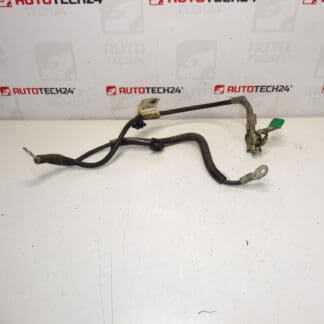
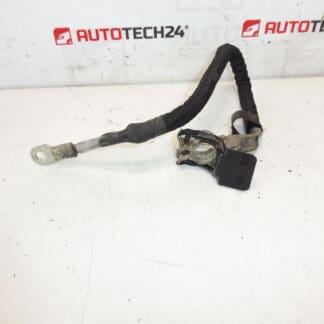
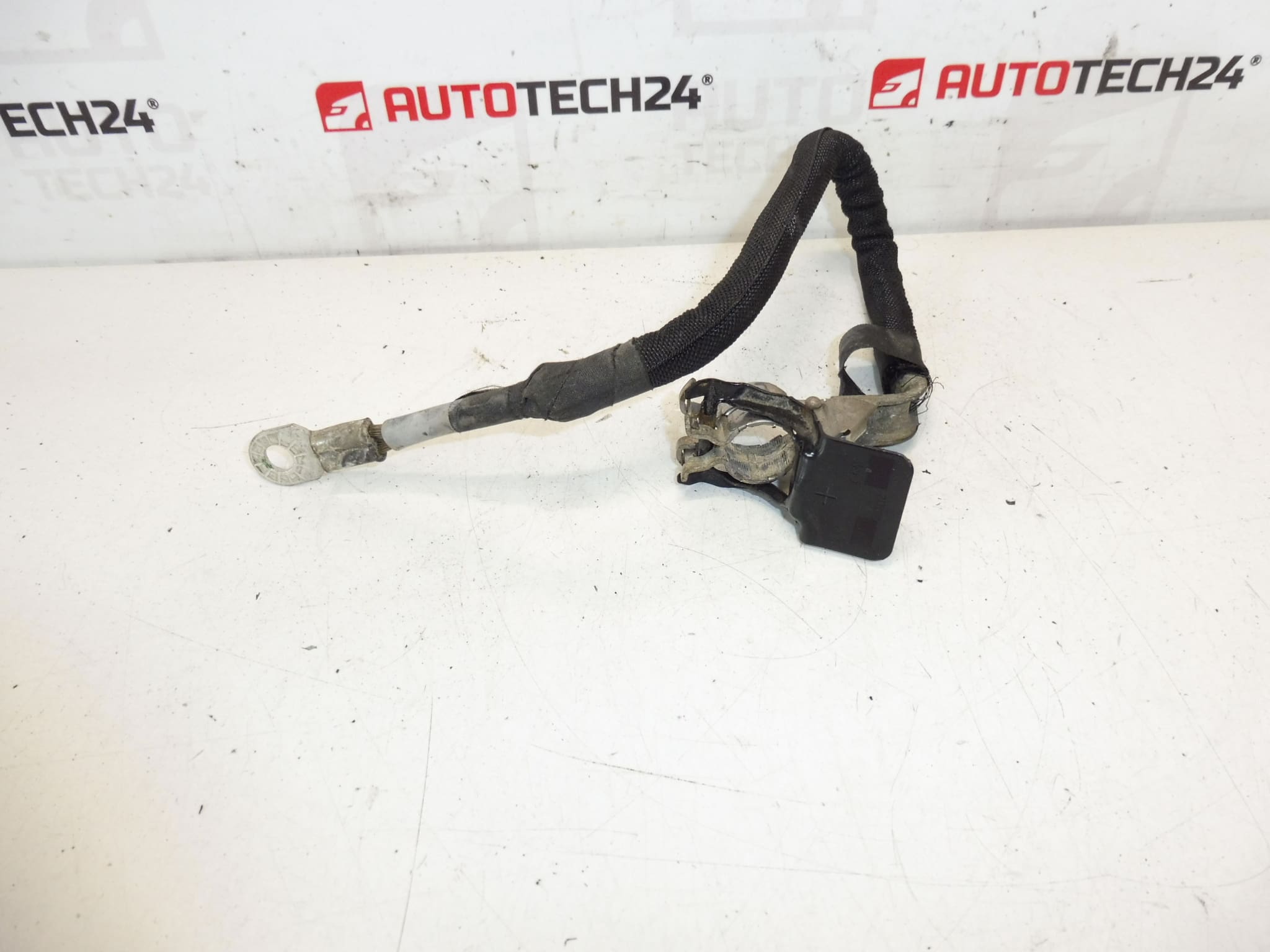
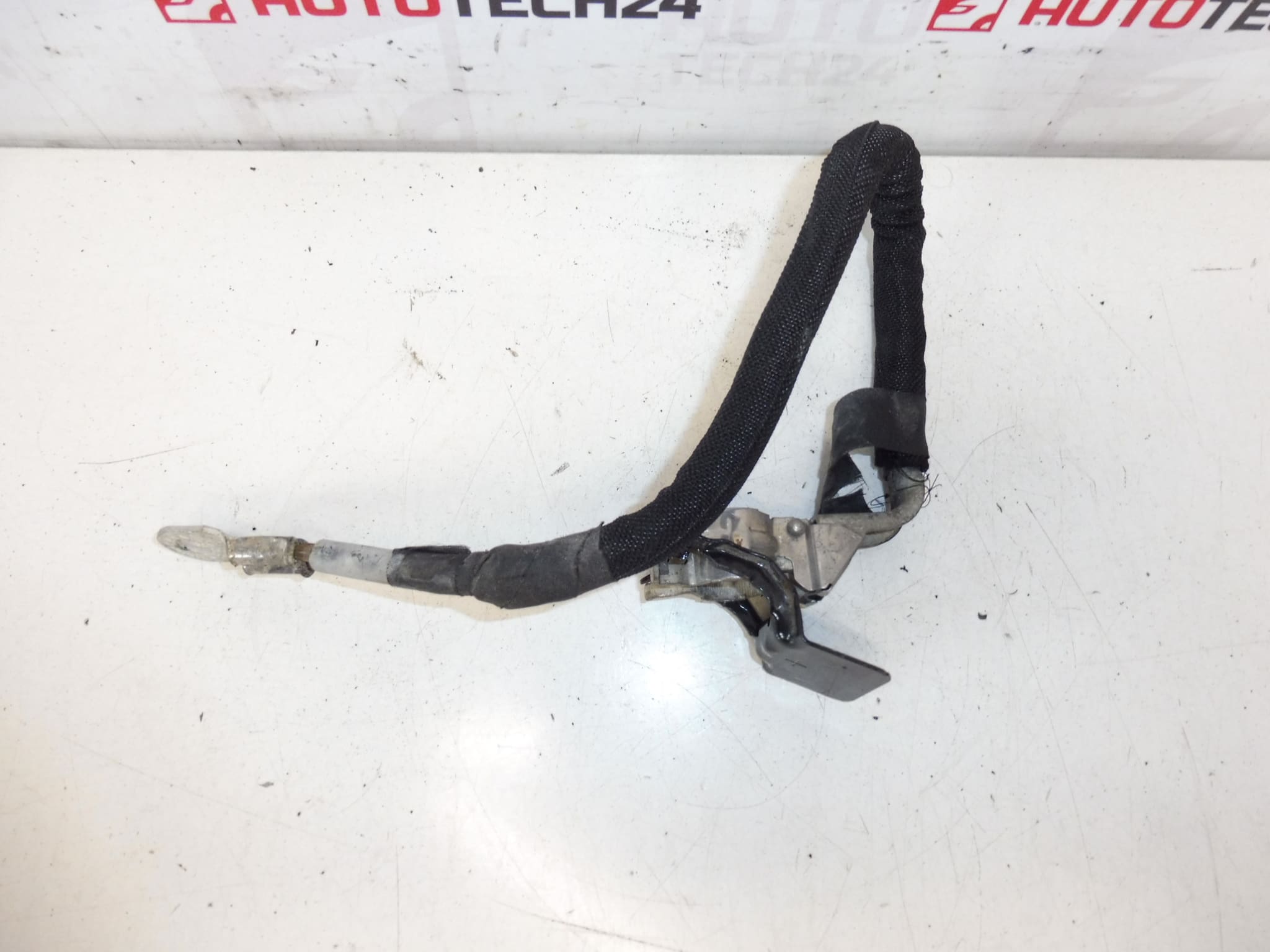
Positive battery cable for Citroën and Peugeot vehicles.
Description
Durable Positive Battery Cable Designed For Reliable Power Delivery In The Engine Bay. This heavy‑duty cable connects The Battery Positive Terminal To The Starter/Engine Harness, Ensuring Stable Current Flow For Starting And Charging Systems. Manufactured For Stellantis Vehicles, It Is Suited To Workshop Use And Do‑It‑Yourself Repairs.
Key Benefits
– Direct Fit Replacement For A Fast Repair
– Robust Insulation Resists Heat And Oil Contamination
– Solid Terminal Ends For Low Electrical Resistance
– Supports Reliable Engine Start And Charging Performance
Compatibility
Fits Various Citroën And Peugeot Models Equipped With 1.8 16V And 2.0 16V Petrol Engines. Commonly Used On Citroën C3 II And Other Stellantis Models With Similar Engine Layouts. Always Verify Part Numbers For Exact Fitment.
Technical Information
- Manufacturer: Stellantis (Citroën / Peugeot)
- Model: Vehicles With 1.8 16V And 2.0 16V Engines; Example: Citroën C3 II
- Product Codes: 9674808180, 564621
- Additional Numbers: 9674808180; 564621
Installation Recommendations
– Safety First: Disconnect The Battery Negative Terminal Before Any Work To Prevent Short Circuits.
– Remove The Old Cable From Both Ends (Battery Positive Terminal And Starter/Starter Relay Area) And Note The Routing To Avoid Contact With Hot Components.
– Clean The Mating Surfaces And Terminals; Use A Wire Brush If Necessary To Ensure Good Electrical Contact.
– Fit The New Cable Securely, Making Sure Terminals Are Tight And Correctly Seated. Protect The Cable From Abrasion And Heat (Reposition Clips Or Use Heat Sleeving If Required).
– After Installation, Check Starter Crank And Charging Voltage To Confirm Proper Operation.
Why This Part Fails Most Often
– Corrosion At Terminal Connections Causing High Resistance And Intermittent Starting Problems.
– Heat Damage From Proximity To Exhaust Or Engine Components Leading To Insulation Degradation.
– Mechanical Wear Or Chafing From Improper Routing Causing Exposed Conductors.
– Contamination From Oil, Coolant, Or Road Salt Accelerating Electrical Deterioration.
– Loose Or Poorly Crimped Terminals Resulting In Voltage Drop Under Load.
Practical Tips For Mechanics And DIYers
– Inspect Battery Terminals, Starter Connections, And Ground Straps While Replacing The Cable To Eliminate Related Issues.
– Apply A Thin Layer Of Dielectric Grease On Cleaned Terminals To Slow Corrosion.
– Ensure Correct Cable Length And Secure Clamping To Prevent Movement During Engine Operation.
– If Intermittent Electrical Issues Persist After Replacement, Check For High Resistance Connections And Battery Health.