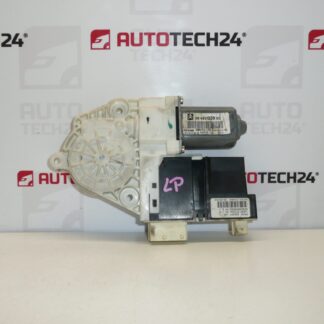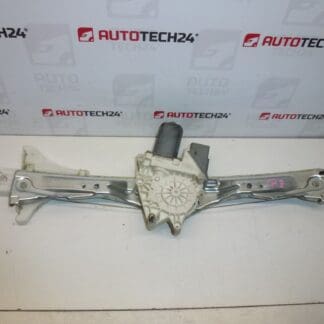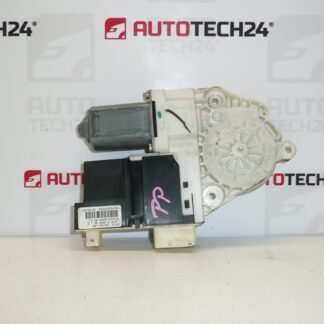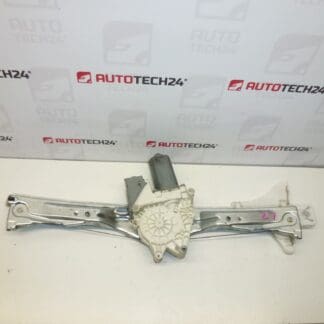
Description
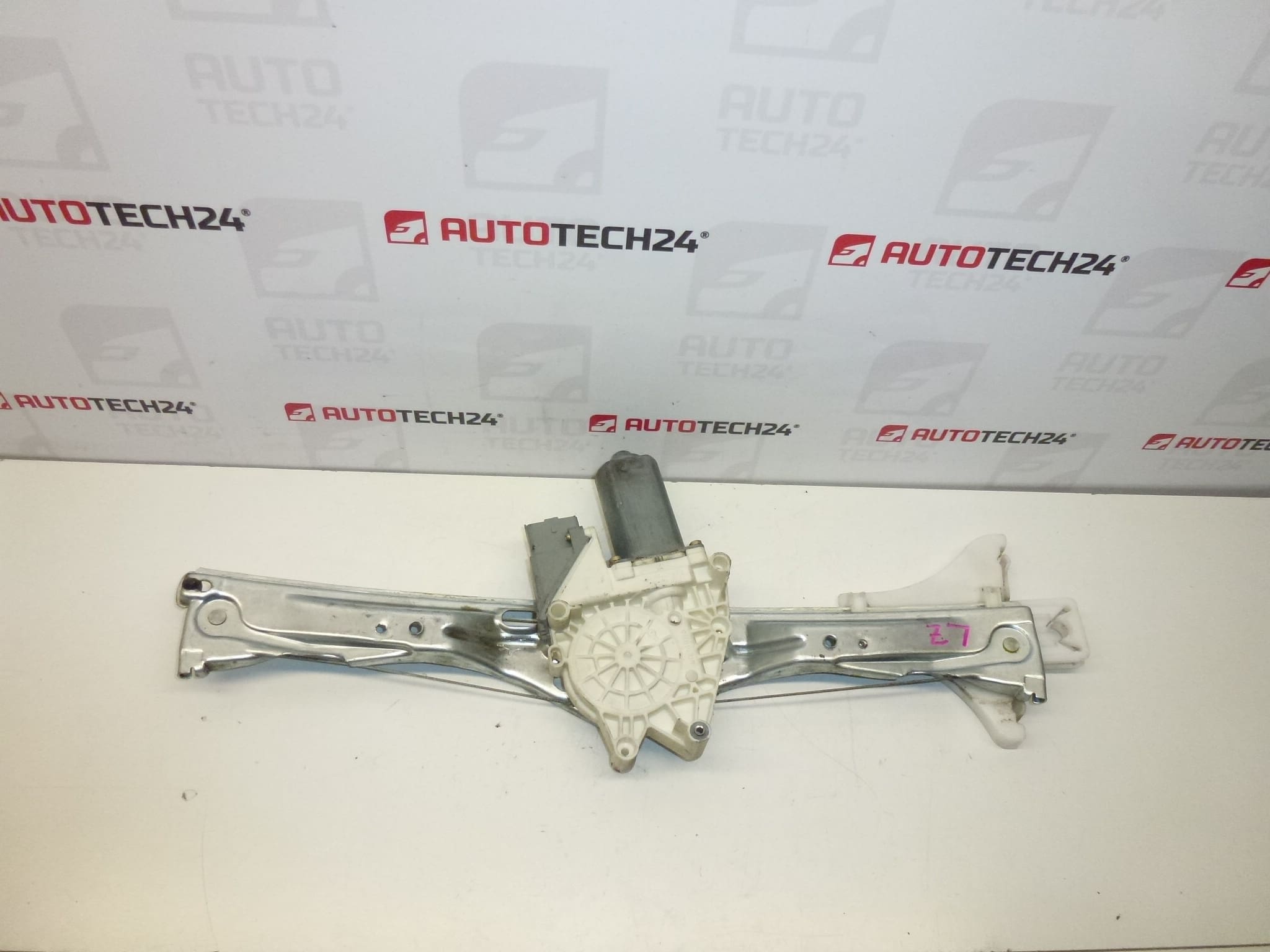
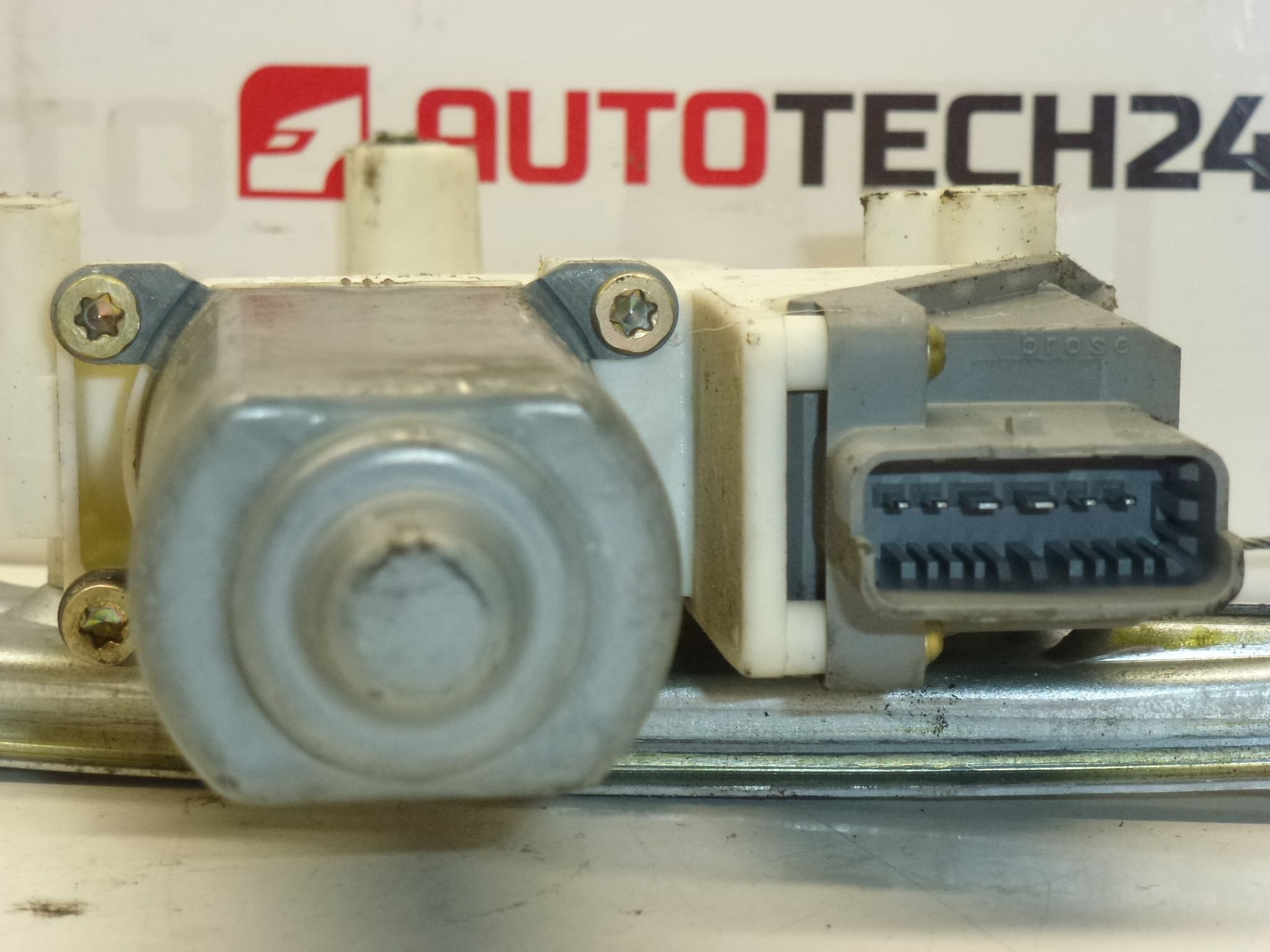
Left rear window pull mechanism for CITROEN C5 01-07
Part description
Are you looking for a reliable rear left window mechanism for Citroën C5? This part is intended to fix non-functioning or stuttering window pull-down, when the window cannot be pulled down/extracted, goes crooked or gets stuck. Replacing the mechanism is a typical solution in a situation where the drive, cable or supporting part of the puller is damaged.
This is a used original part for CITROEN C5 01–07 cars. When choosing, we recommend following the product number in particular, which mechanics often look for directly on the label.
Technical information
- Manufacturer: Stellantis (Citroën / Peugeot)
- Model: Citroën C5 (01-07)
- Other numbers: NFP
Product codes
- Product codes: 922364
Installation recommendations
Generally/typically for the window roll-down mechanism, the exact procedure may vary depending on the specific door design and vehicle equipment. Below is a practical one-size-fits-all procedure.
1) Before assembly
- Compare the new part with the old one: orientation (left rear door), mechanism shape and fit, guides/travels and connectors (if included).
- Check the condition of the cable, pulleys and drives – for visible fraying, cracks or binding.
- Verify compliance according to code 922364 (if you have it listed on the original part).
2) Necessary tools and materials
- Basic set of screwdrivers and sockets
- Tools for disassembling upholstery (plastic crowbar)
- Gloves, flashlight
- Suitable tape or wedges to secure the glass in the upper position
3) Step-by-step assembly procedure
- Turn off the ignition and disconnect the battery for safety (especially if you will be disconnecting the electrical connectors in the doors).
- Remove the door trim (upholstery) and carefully disconnect the associated connectors.
- Remove/peel the vapor barrier to access the mechanism (protect it from damage for subsequent resealing).
- Secure the glass in the upper position (with tape to the frame or suitable wedges) so that it does not slide and is not damaged.
- Release the attachment of the glass to the carriage/mechanism (depending on the design, this is done with screws or clamps).
- Disconnect any motor electrical connector (if present on the assembly) and free the wiring so that it is not in the way.
- Unscrew the fastening points of the puller mechanism and remove the part from the door.
- Clean the inside of the door in the travel area (dirt residues often cause increased resistance and noise).
- Insert the new mechanism, seat it in the correct position and clamp it lightly first (for alignment).
- Attach the glass to the carriage/mechanism and check that the glass sits straight in the guide.
- Tighten the fixing of the mechanism and check again for free movement without crossing.
- Proveďte zkušební chod okna (po připojení baterie/zapalování dle potřeby) a až poté vraťte parozábranu a čalounění dveří.
-
4) Post-assembly checks and test drive/function verification
- The window must move up/down smoothly without jerking, excessive noise and without tilting.
- Check that the vapor barrier seals well (prevention of leakage into the door and interior).
- After installation, check the function of the window switches and possibly comfort functions (if the car has them).
5) The most common assembly mistakes + how to avoid them
- Insufficient securing of glass → glass can fall and crack; always secure it before releasing the mechanism.
- Crooked seating of the glass in the guide → the window then gets stuck; align everything and test the operation before final tightening.
- Damaged or poorly glued vapor barrier → risk of leakage; put it back carefully when assembling.
- Pinched wiring → control malfunctions; after assembly, check cable routing and bushings.
Reasons why the part is damaged
- Fatigue of the rope material (fraying, breaking) due to age and repeated use.
- Clogged or dry glass guide → increased resistance, overloading of the mechanism.
- Intrusion of moisture and dirt into the door → corrosion and sticking of moving parts.
- Mechanical damage after improper handling (e.g. when disassembling upholstery or after hitting a door).
- Driving with a stuck window → gradual damage to the drives and glass attachment.