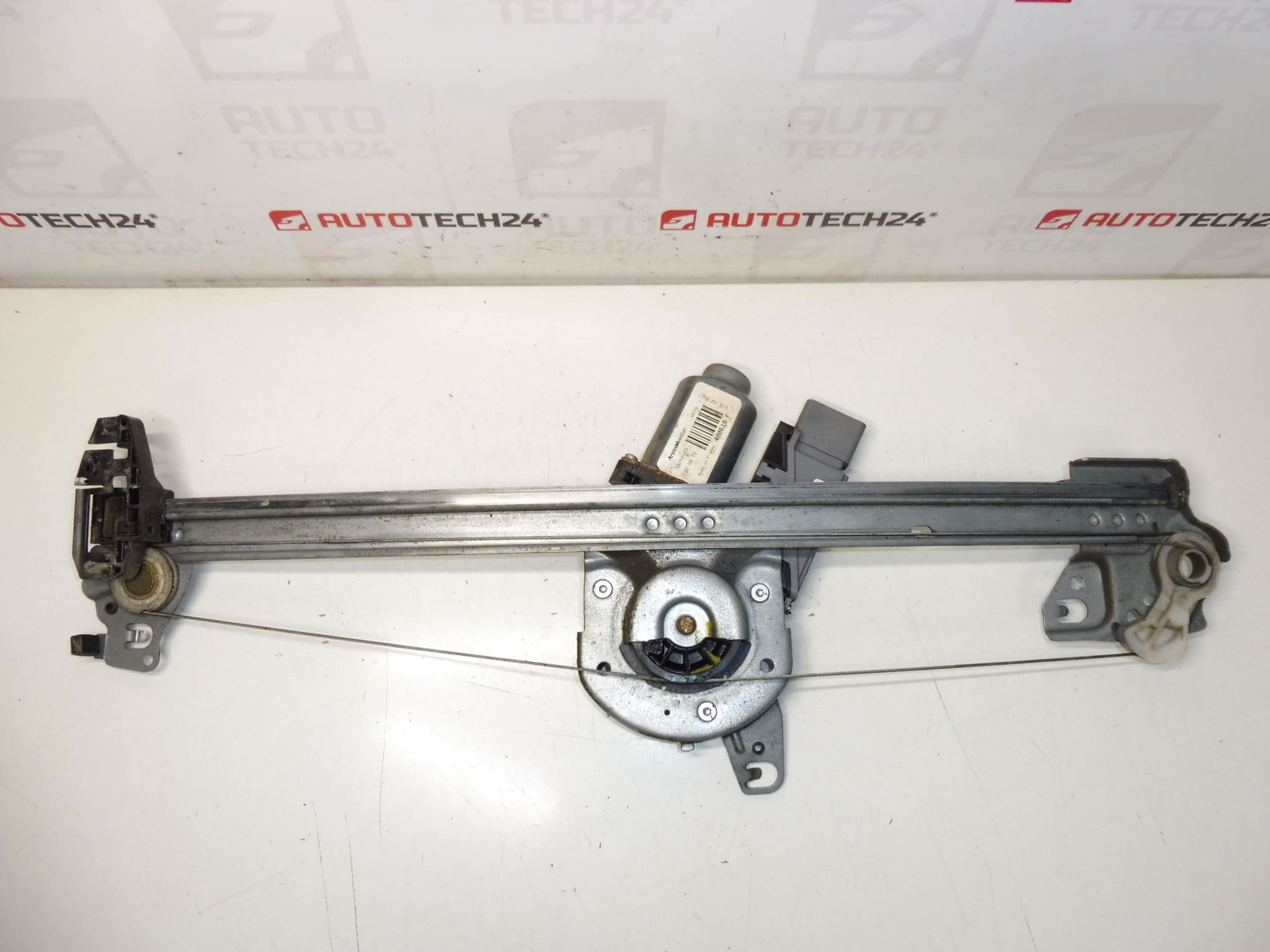
Description
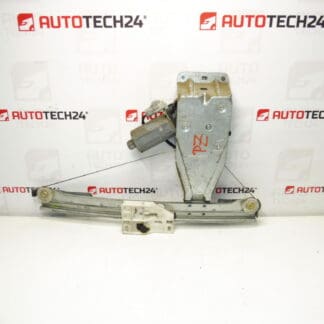
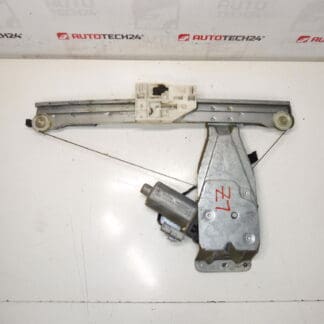
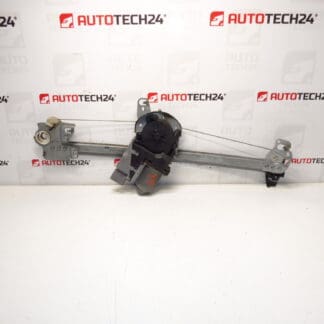
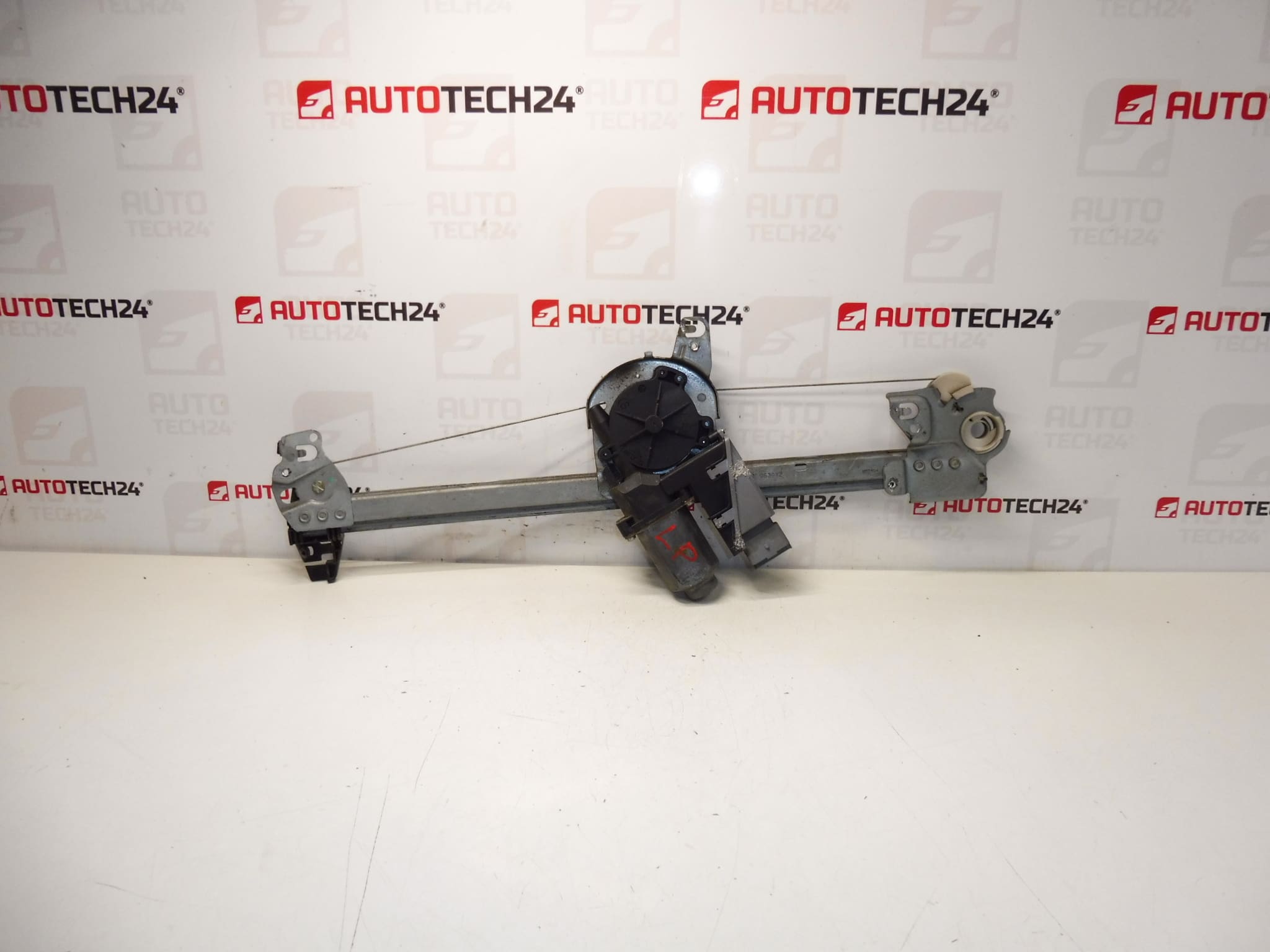
Left Front Window Regulator Mechanism For CITROËN C3 First Model With Sequential Closing Function — Driver Door
High-quality window regulator mechanism designed for the left front (driver) door of the first-generation Citroën C3, featuring the sequential closing (comfort close) function. This mechanical assembly ensures smooth and reliable movement of the window glass, restoring proper operation when the original regulator becomes worn, noisy, or mechanically damaged. Ideal for professional workshops and experienced DIY mechanics who search by part numbers—this unit is a direct-fit replacement for commonly referenced codes.
Key Benefits
– Restores smooth up/down window movement and eliminates rattles or binding.
– Compatible with sequential closing systems used on early Citroën C3 driver doors.
– Saves time compared with repairing individual components; complete mechanism replacement returns factory-like operation.
Technical Information
- Manufacturer: Stellantis / Citroën
- Model: Citroën C3 (First Model / First Generation) — Driver Door
- Product Codes: 400616, 400619, 9221AQ
- Other Numbers: 1689040180
Installation Recommendations
Follow these steps to replace the regulator safely and correctly. Suitable for experienced technicians and competent DIYers with basic tools.
- Disconnect the battery before starting work to avoid electrical short circuits and to protect vehicle electronics.
- Remove the interior door trim panel and any vapor barriers carefully to access the regulator. Keep fasteners organized.
- Secure the window glass in the fully up position (use suction cups or tape) before unbolting the regulator from the glass.
- Disconnect the electrical connector to the window motor and unbolt the regulator assembly from the door shell.
- Transfer any required clips or runners from the old assembly to the new regulator if necessary, then fit the new unit and loosely fasten bolts.
- Reconnect the motor connector and briefly reconnect the battery to test full travel and sequential closing function. Adjust alignment if the glass binds.
- Tighten all fasteners to the manufacturer’s torque spec, re-fit the door trim and restore all seals. Reconnect the battery and perform final function test.
Why This Part Fails
Window regulators commonly fail due to cable fraying or snapping, worn guide rollers, plastic part fatigue, motor wear, or corrosion from water ingress. Frequent use, dirt and moisture in the door, and lack of lubrication accelerate wear. Symptoms include slow movement, grinding or clicking noises, glass tilting or falling down, and intermittent operation.
Notes For Mechanics And DIY Enthusiasts
- Often Searched By Part Number: Customers frequently look up this unit using codes such as 9221AQ, 1689040180, 400616 or 400619—include these when ordering or searching catalogues.
- Check Glass Mounting: Ensure the glass is seated correctly in the regulator clamps during reassembly to avoid misalignment.
- Lubrication: Lightly lubricate sliding channels and guide rollers with a suitable silicone grease to prolong life and reduce noise.
- Electrical Check: Verify motor wiring and switch function if the regulator does not operate; sometimes the fault is the switch or wiring rather than the mechanism.
- Test Before Final Assembly: Always verify full travel and sequential close behaviour before reinstalling the door card.
Compatible Category
C3 | Electrical Components | Window Regulators