Description
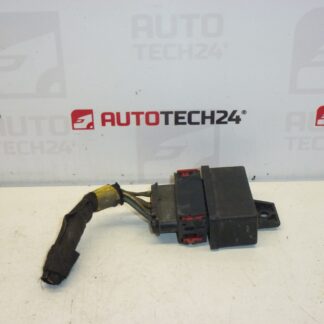
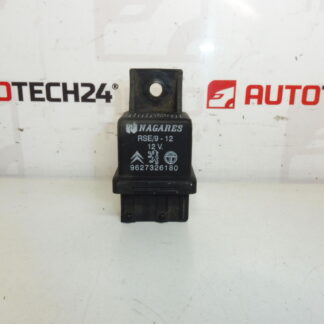
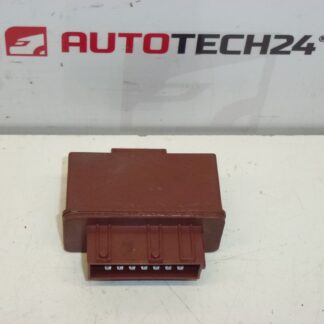
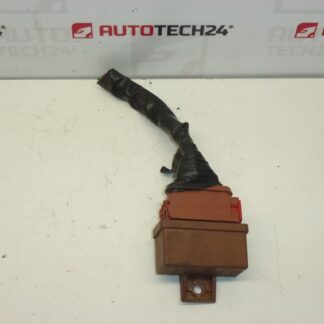
Fuel Relay BITRON 240109 Citroën Peugeot with a Piece of Wiring
This Bitron fuel relay (part number 240109) with an attached length of wiring is a direct-fit electrical component for PSA Group vehicles. Designed for mechanics and experienced DIY enthusiasts, the relay controls power to the fuel pump and is supplied with a pre-wired connector piece to simplify replacement in the engine bay or fuse/relay box. The compact design makes it suitable for mounting where original relays are installed and helps restore reliable fuel pump operation when the original relay fails.
Key Benefits
- Direct replacement for vehicles using Bitron 240109 relay—easy swap for fault diagnosis and repair.
- Supplied with a short wiring harness to facilitate connector replacement and reduce soldering or splicing.
- Restores consistent power delivery to the fuel pump, eliminating no‑start or intermittent fuel delivery issues caused by relay failure.
- Compact form factor fits common PSA relay locations—engine bay relay block or under-dash fuse box depending on model.
Applications
Intended for use on Peugeot and Citroën vehicles that employ the Bitron 240109 fuel pump relay. Known application includes Peugeot 607. Suitable as a replacement part where the OEM relay number corresponds to 240109 / 19207L or equivalent wiring footprint.
How It Works And Typical Symptoms
The relay switches battery power to the fuel pump when the ignition is turned on. Common symptoms of a failing fuel relay include: engine cranks but does not start, no audible fuel pump priming when ignition is turned to ON, intermittent stalling, and loss of power under load. Because the relay carries pump current, degraded contacts or internal overheating can lead to increased resistance and unreliable pump operation.
Technical Information
- Manufacturer: Bitron
- Model: Peugeot 607 (and compatible PSA Group Vehicles)
- Product Codes: 240109, 19207L
- Other Numbers: NFP
- Function: Fuel Pump Relay
- Contents: Relay With Short Length Of Wiring (Pigtail)
Installation Recommendation
Only qualified personnel or experienced DIYers should perform the replacement. Recommended procedure:
- Disconnect The Battery Before Starting Work To Prevent Short Circuits And Avoid Damage To Electrical Systems.
- Locate The Relay In The Vehicle’s Fuse/Relay Box Or Engine Bay Relay Holder (Refer To Vehicle Wiring Diagram Or Workshop Manual For Exact Location).
- Inspect Connector And Fuse Related To Fuel Pump Circuit; Replace Any Corroded Contacts Or Blown Fuses.
- Unplug The Old Relay, Remove Any Retainers, And Fit The New Relay With The Supplied Wiring Piece Ensuring Correct Pin Orientation.
- Securely Fasten The Relay And Reconnect The Battery. Turn Ignition To ON And Listen For Pump Priming; Verify Fuel System Pressure Where Applicable.
- After Installation, Verify Proper Operation During A Short Test Drive To Confirm No Intermittent Cut-Outs.
Reason Why The Part Most Commonly Fails
Fuel relays typically fail due to contact wear, internal arcing, corrosion, moisture ingress, or prolonged exposure to high under‑bonnet temperatures. Voltage spikes and poor grounding can accelerate contact degradation. Intermittent failures are often caused by loose connectors or oxidized pins in the relay socket rather than the relay body itself.
Notes For Professionals And DIYers
- Check Associated Wiring, Grounds And Fuse Ratings When Replacing The Relay—A Relay Replacement Alone May Not Resolve Underlying Electrical Issues.
- For Reliable Results, Use The Correct Part Number And Verify Connector Pinout Matches The Vehicle Harness.