Description
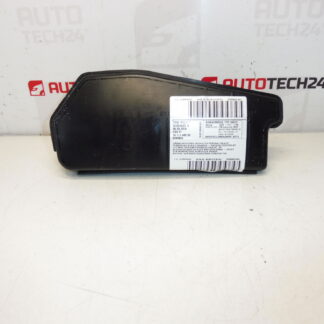
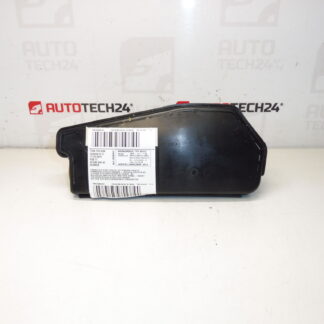
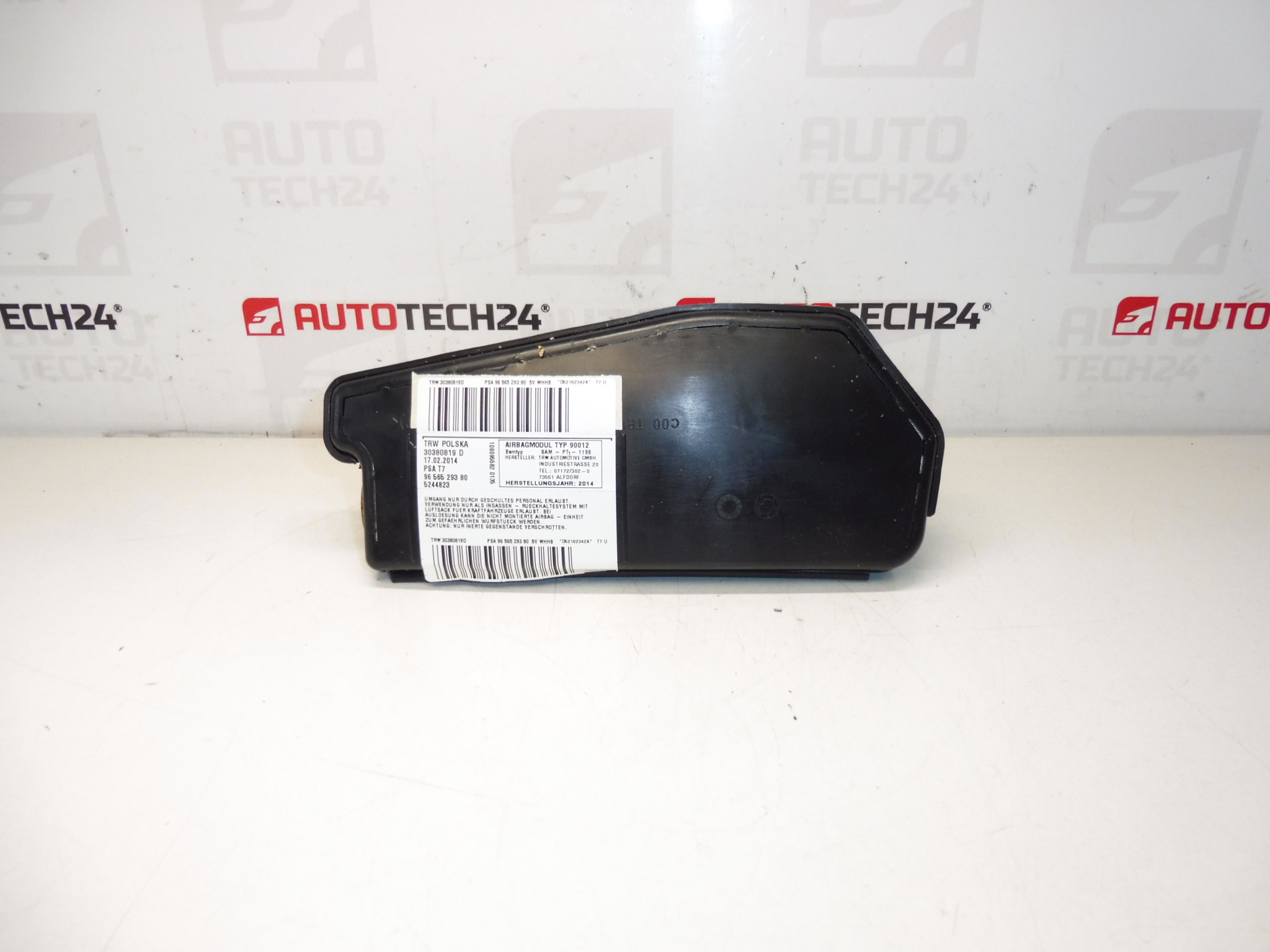
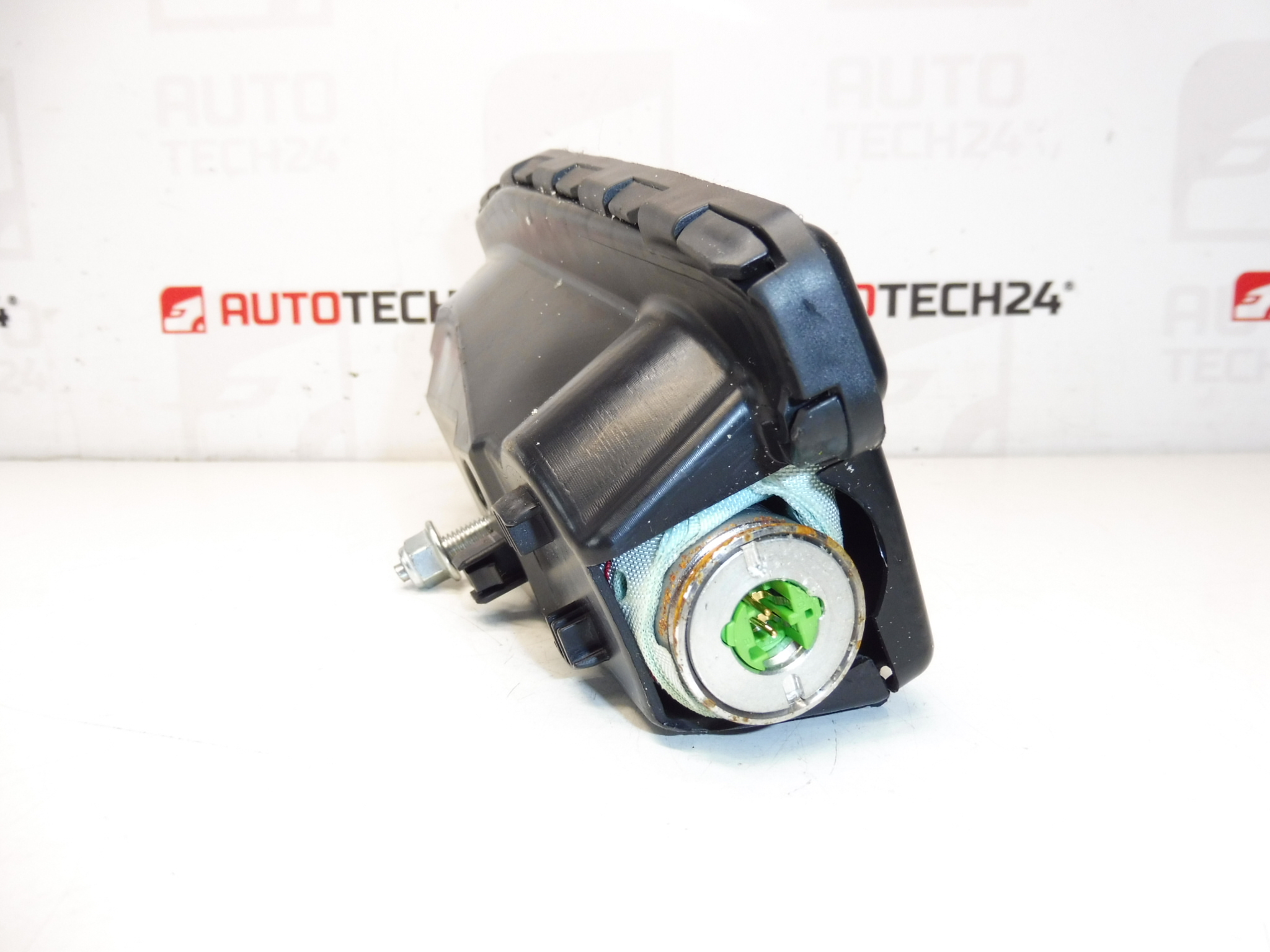
Right Front Seat Airbag For Peugeot 308 T7 Passenger Side
This genuine replacement passenger-side front seat airbag is designed for Peugeot 308 (T7) models. Supplied with OEM references 9656529380 and 8216SF, it is a direct-fit safety component intended for professional mechanics and experienced DIY enthusiasts who carry out seat and restraint system repairs. Airbags are critical for occupant protection; using the correct part number increases the chance of proper fitment and reliable performance after installation. Customers commonly search by the product codes listed to find this exact unit.
How It Works
The seat airbag is an integral part of the vehicle restraint system. When the airbag control unit detects a qualifying crash event, it sends a deployment signal to the inflator module in the seat. The inflator generates gas to rapidly inflate the airbag cushion, reducing forward movement of the occupant and minimizing injury. The module is connected to the vehicle wiring harness via a dedicated connector and communicates electrically only for deployment; it does not require individual software coding in normal replacements.
Technical Information
- Manufacturer: Stellantis (Peugeot/Citroën)
- Model: Peugeot 308 T7 — Front Seat Airbag, Passenger Side
- Product Codes: 9656529380
- Other Numbers: 8216SF
Installation Recommendation
Only perform installation if you have appropriate mechanical skill and safety knowledge. Follow these general steps:
- Disconnect the negative battery terminal and wait at least 10 minutes to allow the airbag system capacitors to discharge.
- Remove seat trim and upholstery carefully to access the seat airbag module without damaging wiring or connectors.
- Unbolt the airbag module from the seat frame using the correct tools and torque settings specified by the vehicle manufacturer.
- Disconnect the airbag connector by releasing the locking clip; inspect the connector and wiring for corrosion or damage.
- Fit the new airbag module in the correct orientation and secure with specified fasteners to the recommended torque.
- Reconnect wiring, reassemble seat trim, and reconnect the battery. After installation, clear any airbag system fault codes and verify system status with an appropriate diagnostic tool.
Why This Part Most Commonly Fails
- Deployment in a Collision: The primary reason for replacement is deployment during an accident. Once deployed, the inflator and cushion must be replaced.
- Connector Or Wiring Damage: Damage to the seat wiring harness, corrosion, or poor connections can produce faults or prevent deployment.
- Water Ingress Or Contamination: Moisture or contamination reaching the connector or module area can cause electrical faults.
- Incorrect Previous Repairs: Improper removal or reinstallation by unqualified technicians can damage the module or connectors.
Note: After replacing an airbag, it is recommended to check the entire SRS system for related faults and confirm correct system status with a diagnostic tool. For professional results, use manufacturer service information and torque settings when installing safety-related components.