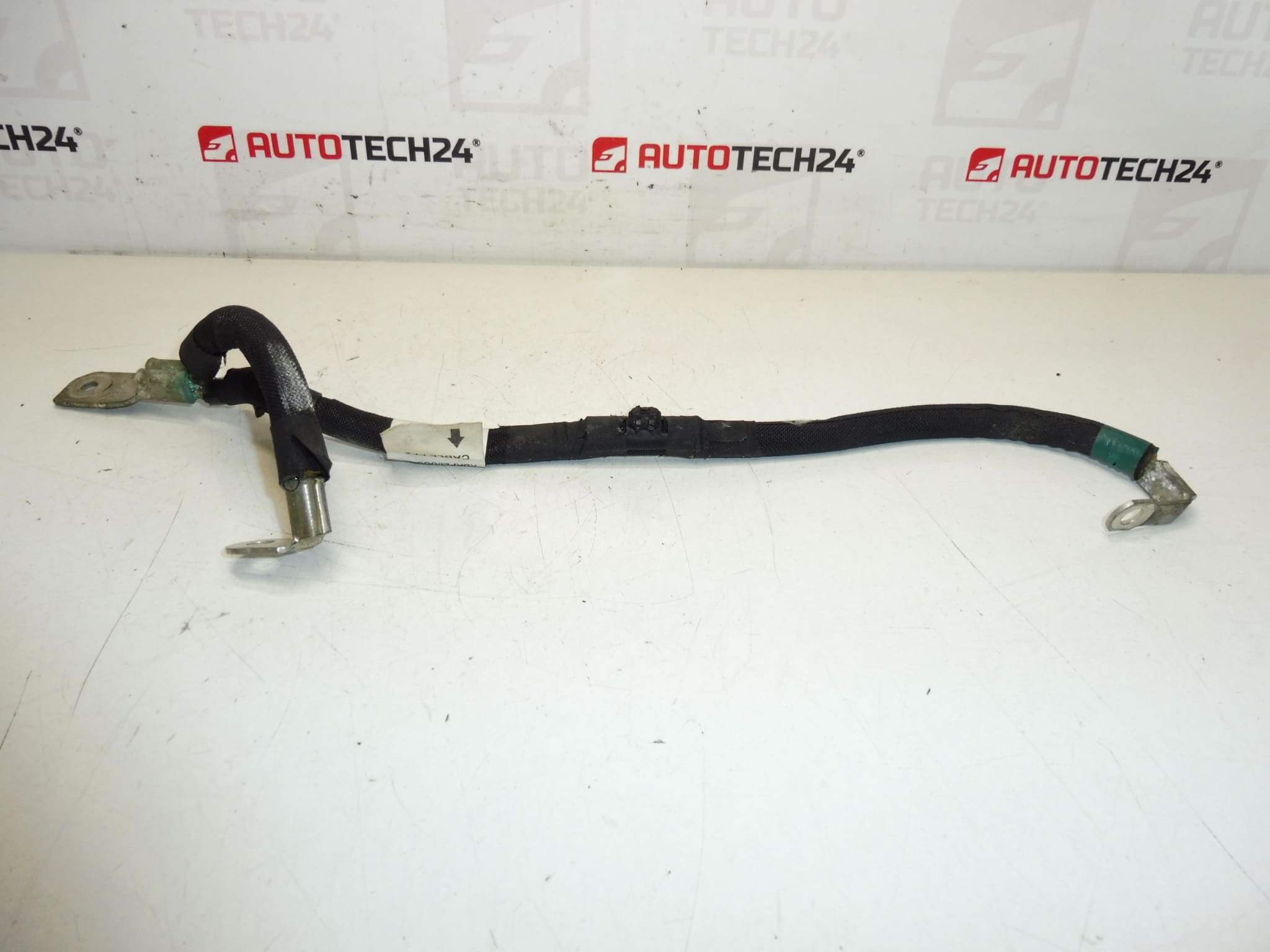
Description
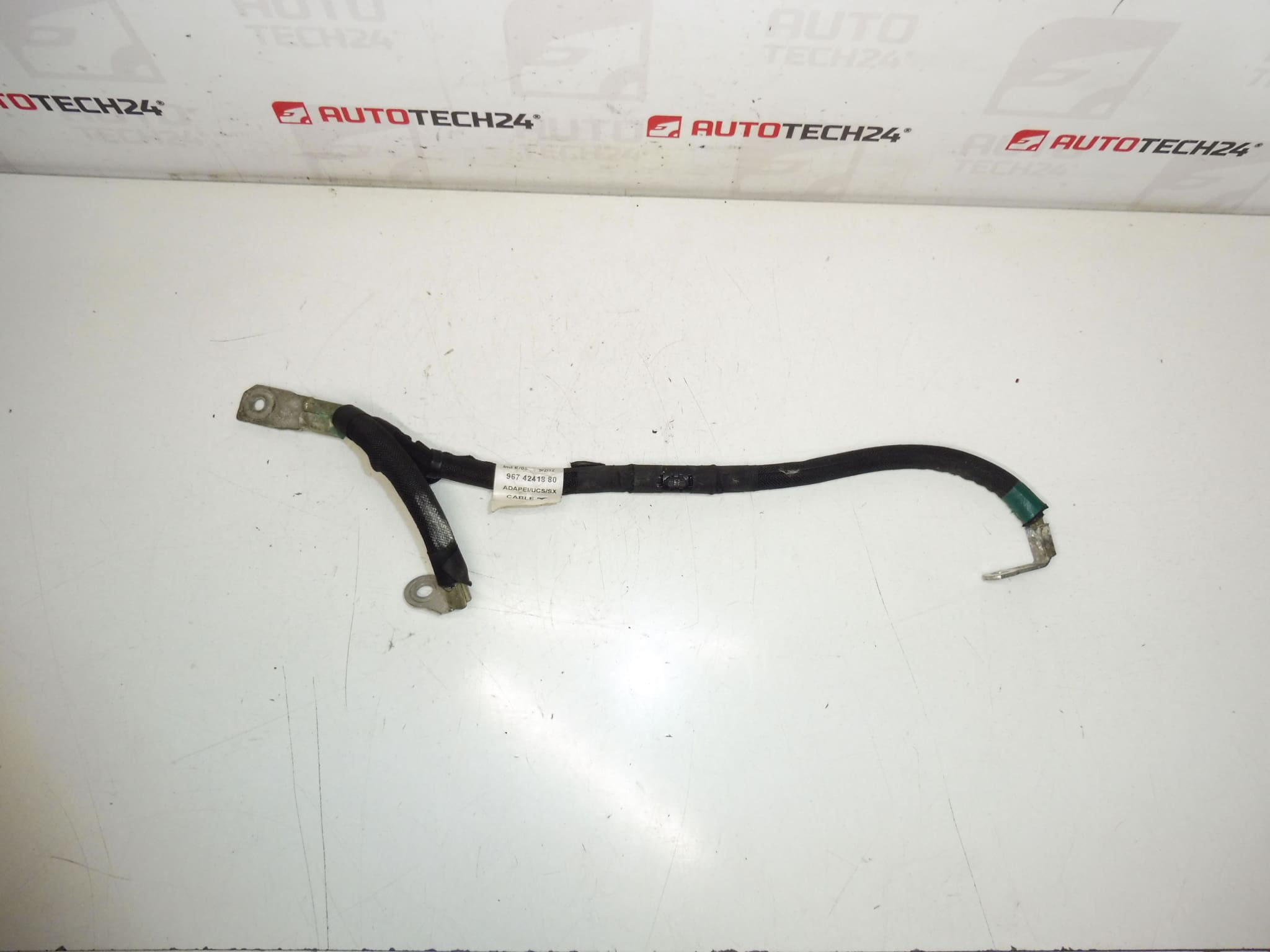
Supply cable to the START-STOP capacitor for e-HDi engines.
This replacement cable (part numbers 9674241880 / 5638PJ) is intended for the START-STOP capacitor circuit on PSA e-HDi and 1.6 HDi petrol/diesel systems used in Citroën and Peugeot models. It restores reliable electrical connection between the vehicle battery negative pole and the start-stop capacitor, ensuring correct operation of the start-stop system and stable grounding under high current pulses. Often searched by reference 9674241880 or 5638PJ, this cable is a common spare for workshops and DIY mechanics repairing start-stop faults on Citroën C4 II, Citroën C4 Picasso and Peugeot 308 vehicles.
Technical Information
- Manufacturer: Stellantis (Citroën / Peugeot)
- Model: Citroën C4 II; Citroën C4 Picasso; Peugeot 308 (vehicles with e-HDi / 1.6 HDi start-stop systems)
- Product Codes: 9674241880; 5638PJ; NFP
- Other Numbers: Use the listed part references when searching or ordering
How To Replace
Replacement requires basic workshop tools and safe working practice. Typical procedure:
- Disconnect The Battery: Always isolate the battery negative terminal before starting work to prevent short circuits or unintended system activation.
- Locate The Start-Stop Capacitor And Cable Routing: The capacitor and related cabling are usually located in the engine bay near the battery or fusebox—remove any protective covers to access terminals.
- Remove Old Cable: Loosen fasteners and remove the existing cable from the capacitor and the battery negative point. Inspect terminal ends and surrounding components for corrosion or damage.
- Fit New Cable: Position the new cable following the original routing to avoid contact with hot or moving parts. Securely connect both ends and refit any protective clips or covers.
- Final Checks: Reconnect the battery, check tightness against manufacturer recommendations, and verify Start-Stop functionality and absence of warning lights or diagnostic faults.
Installation Recommendations
- Always Disconnect The Battery Before Removing Or Installing The Cable.
- Follow Manufacturer Guidance For Terminal Tightening And Cable Routing To Avoid Mechanical Chafing Or Heat Damage.
- Clean Terminal Surfaces Before Reconnection To Ensure Low-Resistance Contact.
- Inspect Adjacent Components (Fuses, Relays, Ground Points) When Diagnosing Start-Stop Issues.
- Use The Part Numbers 9674241880 Or 5638PJ When Searching For Correct Replacement Units.
Most Common Failure Causes
- Corrosion At Terminals Causing High Resistance And Intermittent Connections.
- Mechanical Damage Or Chafing From Incorrect Routing, Leading To Insulation Wear.
- Loose Or Poorly Seated Connections Resulting In Voltage Drops During High Current Events.
- Thermal Stress From Engine Heat Or Nearby Components Degrading The Cable Over Time.
- Electrical Faults In Start-Stop System That Stress The Cable (Repeated High Current Pulses).
Replacing the cable is a cost-effective way to resolve many start-stop related faults. For consistent results, use the correct part references (9674241880 / 5638PJ) and follow safe workshop practices when installing.