Description
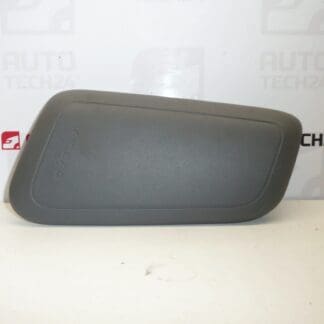
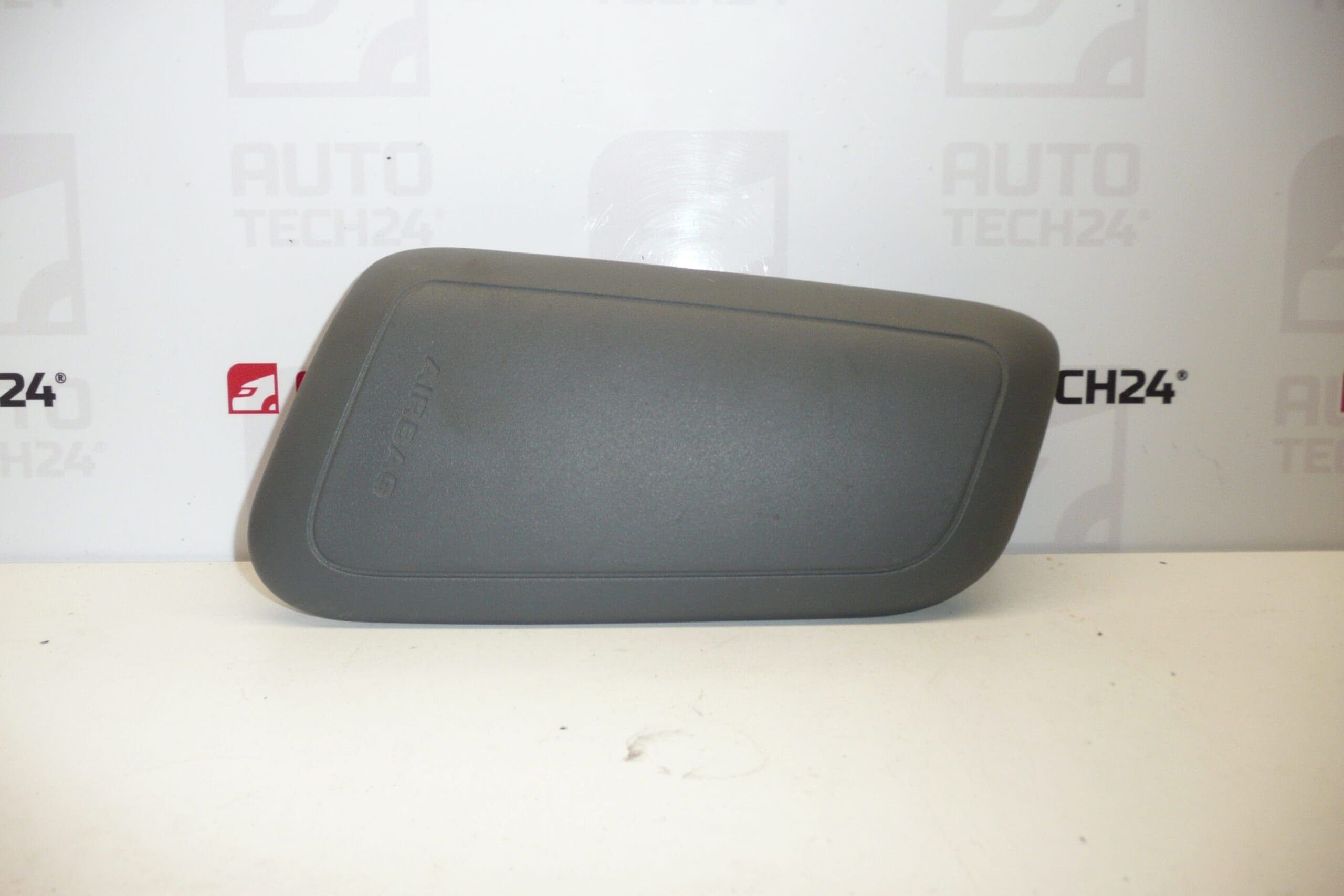
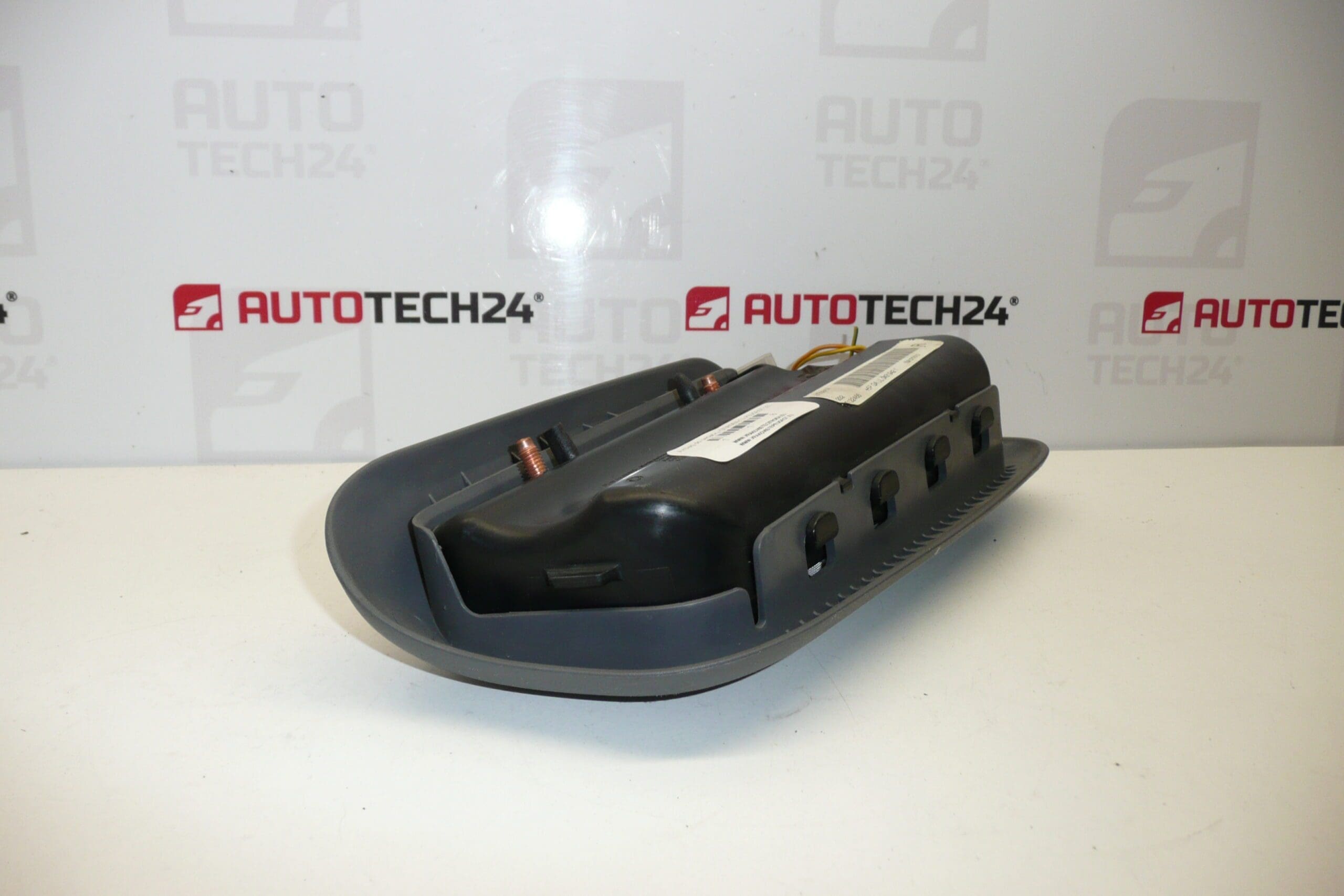
Passenger Seat Airbag For Citroën C1 And Peugeot 107 First Series. Up To 2013.
This right-side passenger seat airbag (OE references 73910YV010 / 8216FL) is a direct-fit replacement designed to restore proper occupant protection in first-generation Citroën C1 and Peugeot 107 vehicles produced up to 2013. Intended for professional workshops and experienced DIY mechanics, the module helps clear SRS faults and re-establishes the restraint system after deployment or module failure. Including clear product codes in the description increases findability for searches based on part numbers.
Technical Information
- Manufacturer: Stellantis (Citroën / Peugeot)
- Model: Citroën C1 (First Generation), Peugeot 107 (First Generation)
- Product Codes: 73910YV010, 8216FL
- Other Numbers: 8216FL 73910YV010 NFP
Function And Application
The seat-mounted passenger airbag is part of the Supplemental Restraint System (SRS). It is designed to deploy in certain frontal or angled impacts to reduce injury to the passenger by cushioning and distributing crash forces. This module is mounted in the passenger seat structure or seat cushion and works together with the front airbags, seat belts and pretensioners to provide comprehensive occupant protection.
Compatibility
Fits first-generation Citroën C1 and Peugeot 107 models up to 2013. Always match the connector type and mounting points to the original unit on the vehicle to ensure correct fitment and operation.
Replacement Procedure
- Disconnect the negative battery terminal and wait at least 10 minutes to allow SRS capacitors to discharge.
- Remove seat trim and access panels to expose the airbag module mounting points and electrical connector.
- Unbolt the airbag module from the seat frame and carefully disconnect the SRS connector (usually a high-visibility/yellow connector) by releasing the locking tab.
- Install the replacement airbag, secure all fasteners to the manufacturer specified torque values, and reconnect the SRS connector ensuring a positive lock.
- Reinstall seat trim and any removed components. Reconnect the battery and use a diagnostic tool to clear SRS fault codes and verify that the Airbag/SRS warning lamp extinguishes.
- Follow the vehicle manufacturer service manual for exact removal/installation steps and torque settings.
Installation Recommendations
- Perform installation in a clean, dry workspace. Avoid introducing contaminants to connectors or the airbag inflator.
- Use appropriate SRS-safe tools and observe electrostatic discharge precautions when handling the module.
- Do not reuse damaged connectors or wiring; replace any corroded or crushed plugs to prevent intermittent faults.
- After installation, verify system integrity with a compatible diagnostic tool and confirm the SRS indicator behavior before returning the vehicle to service.
Most Common Reasons For Failure
- Deployment After A Collision: Airbags must be replaced after deployment.
- Electrical Faults: Damaged wiring, poor connector contacts or corrosion may cause SRS errors.
- Physical Damage: Seat impacts, water ingress or mechanical damage during removal/install can impair the module.
- Sensor Or Circuit Failures: Faulty seat occupancy sensors or related circuits can trigger warnings or disable the module.
Note: After replacement, clearing and verifying SRS codes with a diagnostic scanner is required to confirm correct operation. Always follow the vehicle manufacturer service instructions and safety precautions when working on airbag systems.