Description
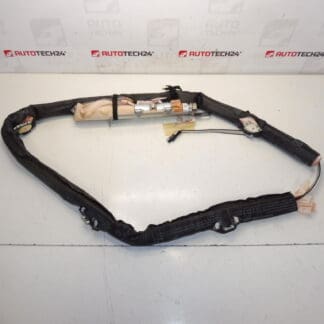
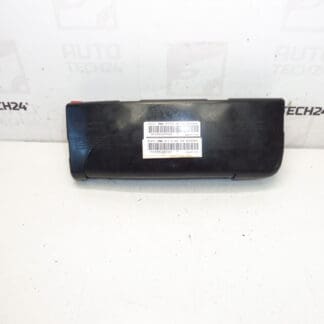
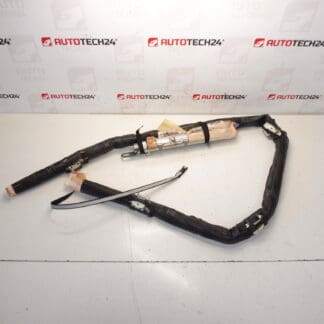
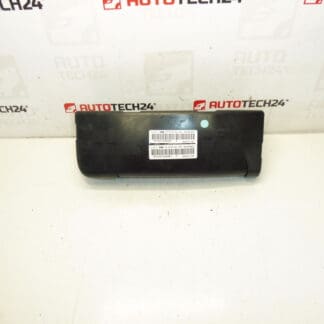
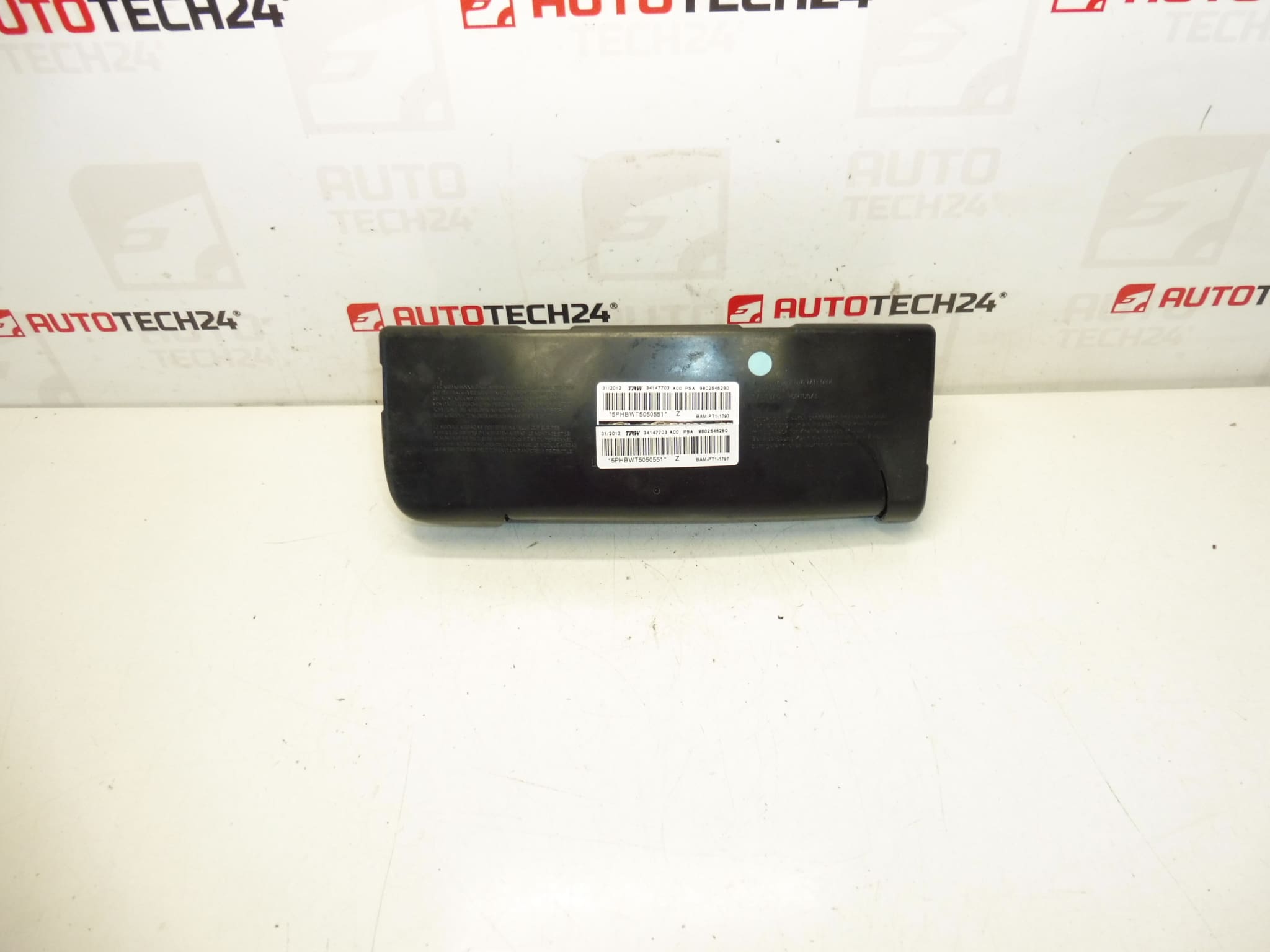
Seat airbag for Citroën C3 vehicles from 2009. Passenger Seat.
This Seat Airbag is designed for the passenger seat of Citroën C3 II (A51) models from 2009 onwards. Supplied with OE part reference 9802546280, it is a direct-fit safety component intended to protect the occupant in a side-impact event by cushioning and reducing thorax/pelvis injuries. The part is commonly searched by its product code, so technicians and DIYers will find it quickly when ordering or replacing a deployed or damaged unit.
Technical information
- Manufacturer: Stellantis (Citroën)
- Model: Citroën C3 II (A51) – Passenger Seat
- Product Codes: 9802546280
- Other Numbers: Not available / Refer to vehicle build data
Fitment
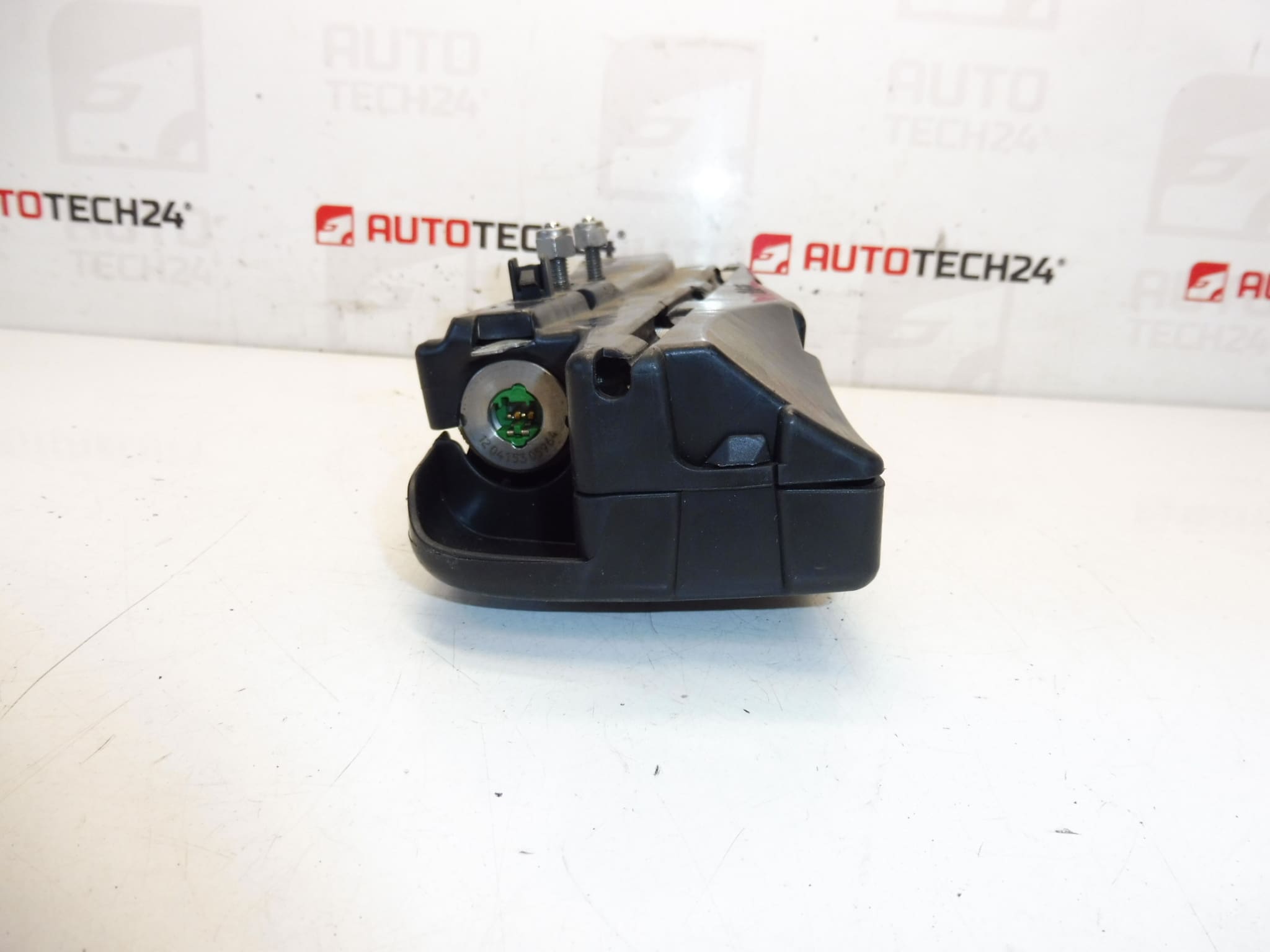
Primary fitment: Citroën C3 II (A51) passenger seat from 2009. Confirm seat type and connector layout during installation — appearance and plug position must match the original unit.
Function and When To Replace
The seat airbag is a passive safety device that deploys in certain side-impact scenarios to absorb energy and limit injury to the torso and pelvis. This component is not a regular wear item; it must be replaced after deployment in a collision. Replace also when the airbag housing, inflator, or electrical connector is damaged, if corrosion is present, or if diagnostics show irreparable fault codes in the supplemental restraint system.
Installation recommendations
- Always follow the vehicle manufacturer’s service manual for removal and installation procedures.
- Disconnect the negative battery terminal and wait at least 10 minutes to allow the airbag system capacitors to discharge before starting work.
- Remove seat trim panels carefully to access the airbag module; avoid cutting or stressing wiring harnesses and connectors.
- Unplug the airbag connector using appropriate release tools; inspect wiring and connector pins for corrosion or damage before fitting the new unit.
- Fit the replacement airbag into the seat and torque any fasteners to the manufacturer’s specification where provided.
- After installation, reconnect the battery and perform a full SRS system check with a compatible diagnostic tool to clear any fault codes and confirm the airbag indicator lamp extinguishes.
Why It Most Commonly Fails
- Deployment During A Collision: The most common cause of replacement is previous deployment in a crash.
- Connector Or Wiring Damage: Chafing, corrosion, or poor repairs can interrupt the circuit and trigger SRS faults.
- Physical Damage Or Moisture Ingress: Seat damage or water penetration can compromise the inflator or detonator components.
- Incorrect Repairs Or Improper Handling: Mishandling during seat removal or using incorrect parts can render the unit nonfunctional.
Notes For Professionals And Enthusiasts
This item is intended for experienced technicians and competent DIYers familiar with airbag safety procedures. After replacement, always verify system readiness with diagnostic equipment and ensure the passenger airbag indicator behaves correctly. Use only compatible parts and follow torque and installation procedures from Citroën/ Stellantis documentation.