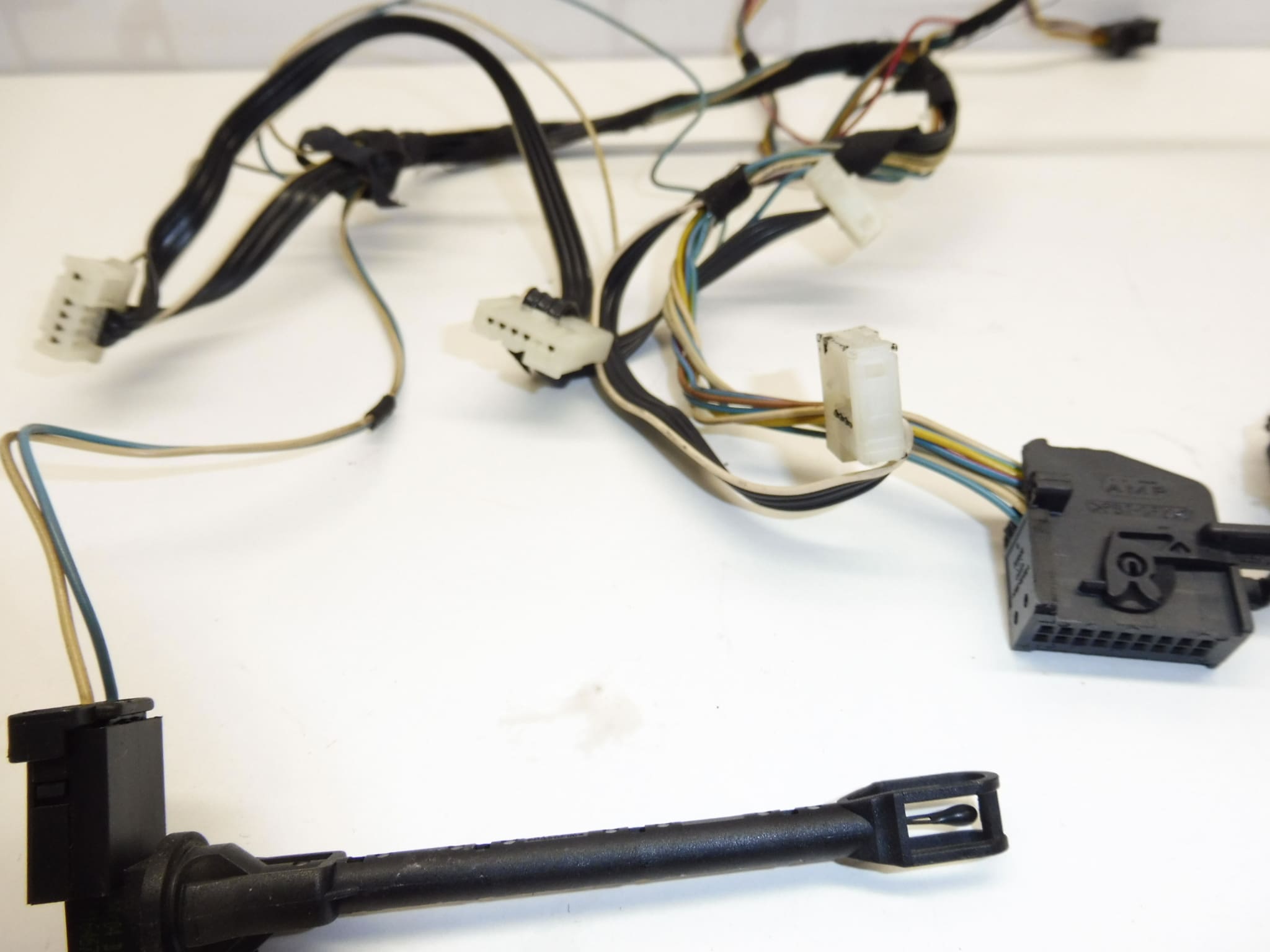
Description
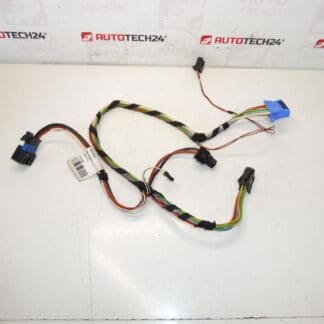
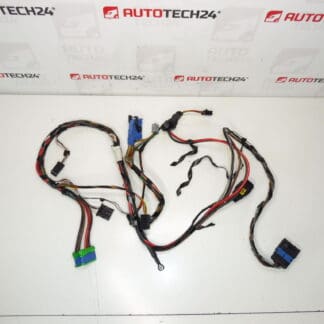
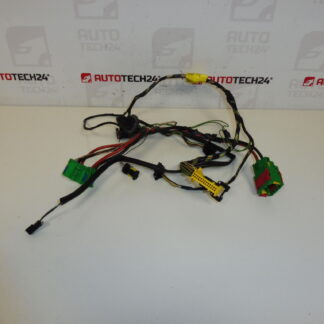
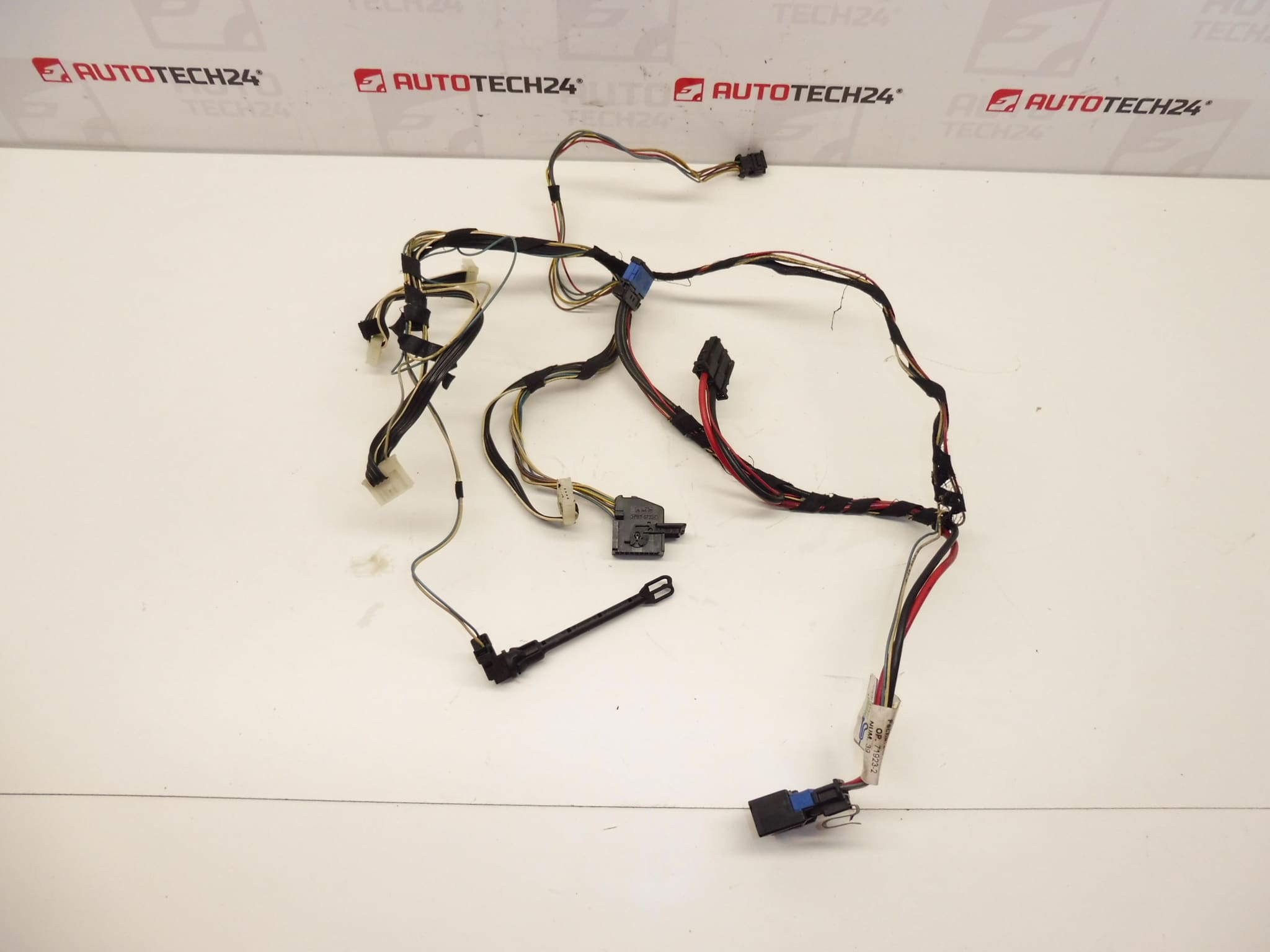
Complete BEHR Digital Air Conditioning Wiring Harness for Peugeot 307 up to 2004
This BEHR complete digital air conditioning wiring harness is built to restore reliable electrical connections in the HVAC system of Peugeot 307 models produced up to 2004. Designed for professional mechanics and skilled DIY enthusiasts, the harness carries power and signal lines for actuators, sensors, blower and compressor control. The part is often searched by product codes D5384 and 6445ZV, so include these references when locating replacement units.
Technical Information
- Manufacturer: BEHR
- Model: Peugeot 307 (up to 2004)
- Product Codes: D5384, 6445ZV
- Other Numbers: Stellantis CITROEN PEUGEOT D5384 6445ZV NFP
Applications And Fitment
Intended For Peugeot 307 vehicles built to 2004. Fits the HVAC assembly wiring harnesses used on factory-installed BEHR digital climate control systems. Verify physical connector shapes and mounting points against the vehicle harness during installation.
Function
The harness transmits power and control signals between the vehicle electrical system and the air conditioning components: blower motor, compressor clutch, temperature sensors, blend/recirculation/flap actuators and the climate control module. Proper harness integrity is essential for reliable temperature regulation, automatic climate functions and compressor engagement.
Common Faults And Causes
- Connector Corrosion: Moisture ingress causes pin oxidation and intermittent contacts.
- Insulation Deterioration: Heat and age make wires brittle leading to breaks or short circuits.
- Mechanical Damage: Chafing, pinched harnesses or rodent chewing result in open or shorted circuits.
- Connector Failure: Broken latches or bent pins create unreliable connections.
Replacement Procedure
- Prepare: Park on level ground, engage parking brake and remove ignition key.
- Disconnect Battery: Always disconnect the negative terminal before working on the harness to avoid short circuits and protect electronic components.
- Access Harness: Remove necessary dash panels, glovebox or center console trim to reach the HVAC unit and harness connectors. Document or photograph original routing and connector positions.
- Unplug Connectors: Carefully release connector latches and remove plugs. Inspect connector housings and pins for corrosion or damage.
- Remove Harness: Unclip retaining clips and detach the harness from mounts. Replace with the new harness following the original routing to avoid contact with moving parts or heat sources.
- Reconnect And Secure: Seat all connectors fully, secure clips and cable ties, and ensure no wires are stressed or rubbing against sharp edges.
- Test Function: Reconnect the battery, test HVAC functions (blower speeds, flap movement, compressor engagement) and check for fault codes or warning lights.
Installation Recommendations
- Disconnect Battery: Always disconnect the battery before removal or installation to protect electronics.
- Use Dielectric Grease: Apply light dielectric grease to connector pins to limit future corrosion where appropriate.
- Secure Routing: Reuse or replace all retaining clips and cable ties to prevent chafing and movement.
- Inspect Related Components: Check actuators, blower motor and connectors for signs of wear or water ingress while replacing the harness.
- Electrical Tests: Verify continuity and absence of shorts with a multimeter before final assembly.
Reason For Most Frequent Failure
The most common cause of failure is moisture and corrosion at connector interfaces, often combined with thermal aging of insulation. Over time, heat cycling and environmental exposure make solder joints and crimp contacts less reliable, while mechanical wear or rodent damage can produce sudden open circuits or shorts.
Note For Buyers
Search By Product Code: Customers frequently locate this harness using the codes D5384 or 6445ZV. Confirm visual match of connectors and mounting points with the vehicle harness before installation.