Description
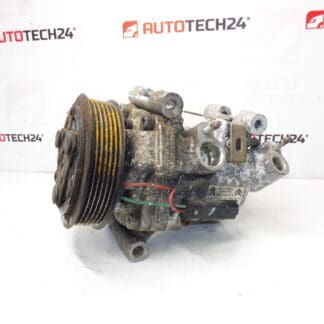
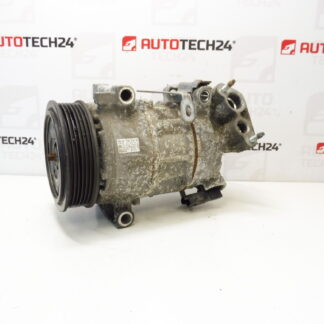
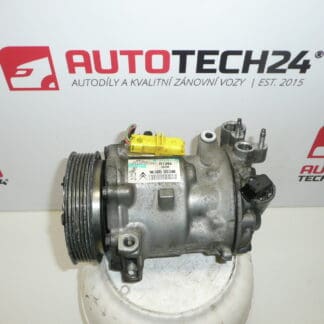
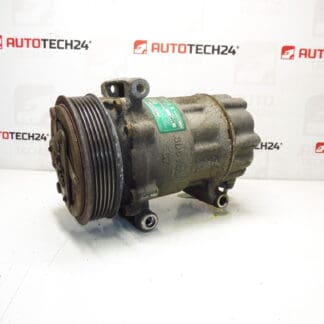
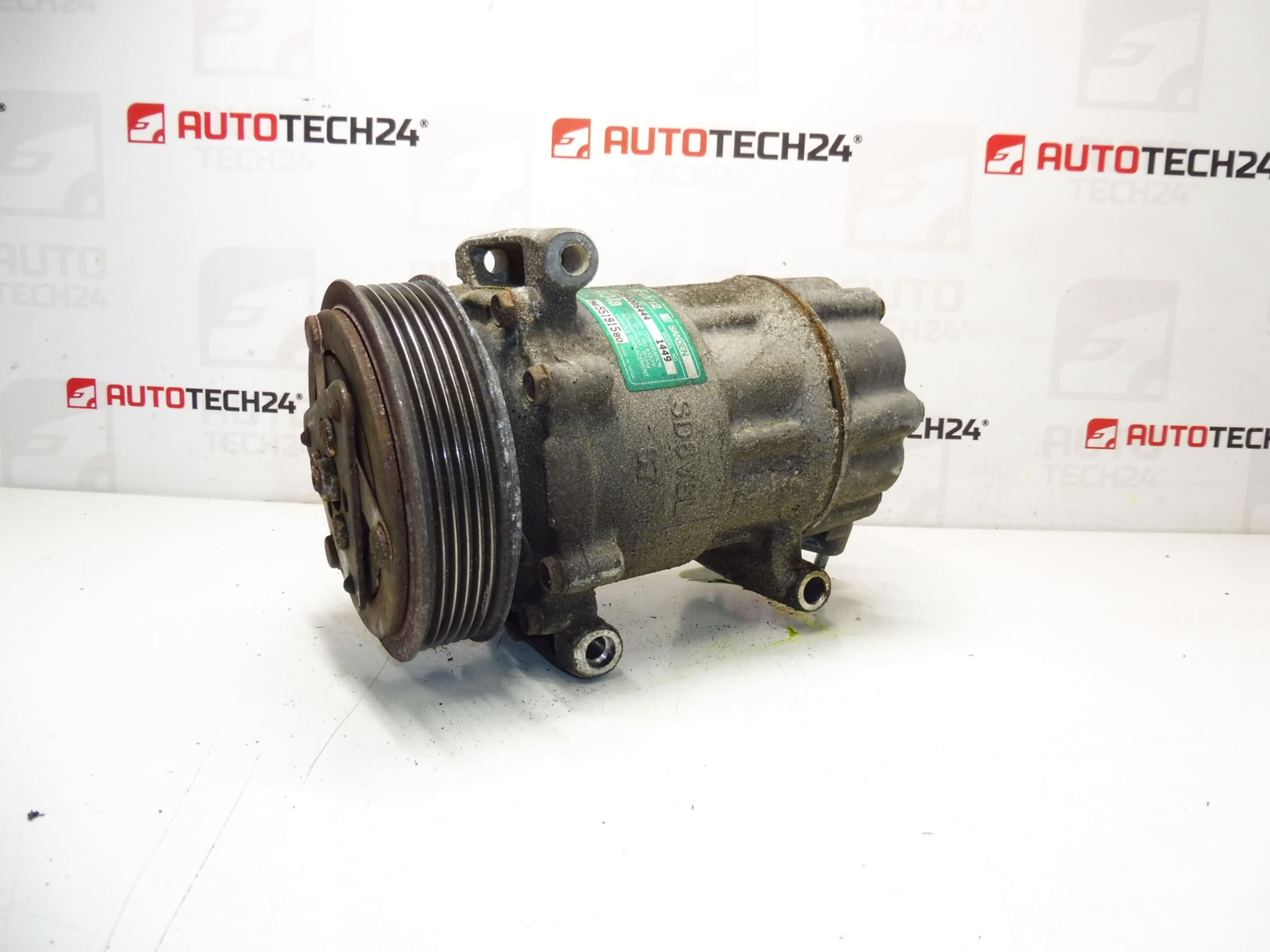
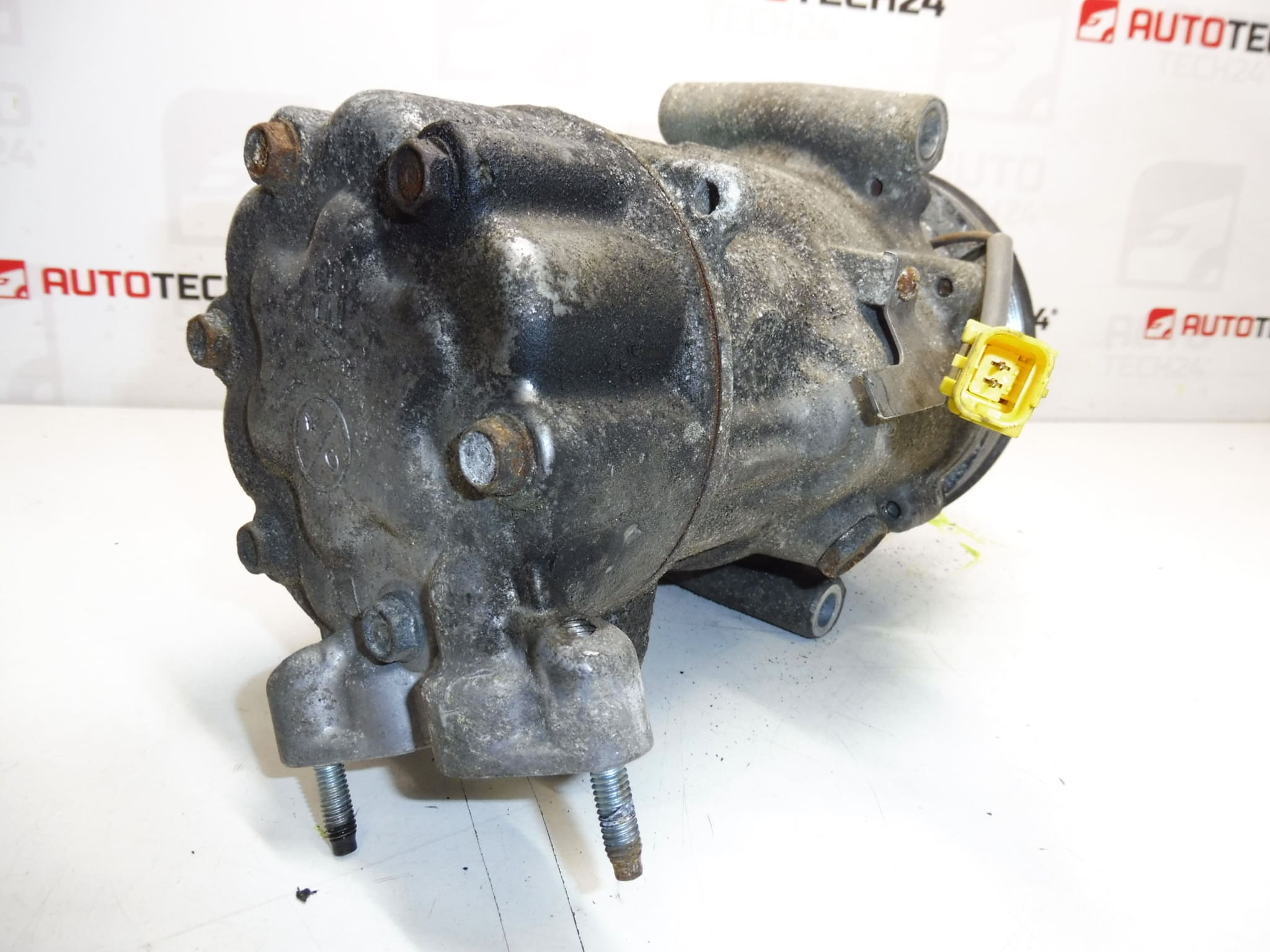
Air conditioning compressor for Citroen PEUGEOT cars
It is from a PEUGEOT 307 CC 2.0i
Car mileage 161 thousand km
Part description
This Sanden SD6V12 air conditioner compressor is a used part designed for Citroën/Peugeot cars. It is a key part of the air conditioning system – when functioning properly, it ensures the pressurization of the coolant and thus effective cooling in the cabin.
The part comes from a PEUGEOT 307 CC 2.0i with 161,000 km. When choosing, we recommend comparing the markings and product numbers directly on the compressor with the existing part – for air conditioning, matching the codes is the surest way to the right part.
Technical information
- Manufacturer: Sanden
- Model: PEUGEOT 307 CC 2.0i
- Other numbers: 9800822280, 6453QE
Product codes
- Product codes: 9655191580, 9800822280, 6453QE
Installation recommendations
Generally/typically for changing the air conditioning compressor (the exact procedure may vary according to the specific model and design of the car):
1) Before assembly
- Compare all numbers on the compressor (eg 9655191580 / 9800822280 / 6453QE) and type designation with the old part.
- Check the condition of the connector, attachment, threads and sealing surfaces (no grooves or cracks).
- Verify that the compressor rotates freely (without stuttering) and has no signs of mechanical damage.
2) Necessary tools and materials
- Common hand tools (ratchet, extensions, wrenches), tools for disassembling accessories according to access.
- New gaskets/O-rings for A/C connections (typically changed during disassembly).
- Equipment for extraction and filling of air conditioning (service station) – work with refrigerant is carried out professionally.
3) Step-by-step assembly procedure
- Secure the vehicle against movement and allow the engine to cool.
- Have the refrigerant expertly extracted from the air conditioning system (do not release into the air).
- Disconnect the battery (minimizing the risk of short circuit when working with the connectors).
- Get access to the compressor (removal of covers/accessories depending on the car).
- Disconnect compressor/clutch electrical connector (if used).
- Loosen and remove the accessory belt according to the normal procedure for the engine.
- Unscrew the air conditioner pipe from the compressor; immediately blind/cover the open ends to prevent moisture and dirt from entering the system.
- Dismantle the fixing screws and remove the old compressor.
- Prepare the used compressor: clean the mating surfaces and use new gaskets on the joints.
- Install the compressor on the bracket and fix it, then connect the A/C pipe.
- Put on the accessory belt and check for proper routing.
- Connect the electrical connector, reassemble the removed parts and connect the battery.
- Evacuate and then fill the air conditioner with a service station, then a functional test.
-
4) Post-assembly checks and test drive/function verification
- Check that the air conditioner turns on and cools, and that there are no unusual sounds.
- Verify connections for tightness and visually check for oil/coolant leaks.
- After a short ride, recheck the attachment, connector and belt guide.
5) The most common assembly mistakes + how to avoid them
- Omission of gasket replacement → often leads to leakage; use new gaskets and clean mating surfaces.
- Circuit contamination when disconnecting pipes → blind the line and work cleanly, minimize system open time.
- Poorly guided/tensioned belt → can cause noise and damage; check the belt guide before starting.
- Filling without vacuuming and leak checking → typically degrades performance and shortens lifespan; use the correct service procedure.
Reasons why the part is damaged
- Lack of refrigerant or oil in the system (leaks) – leads to insufficient lubrication and compressor seizing.
- Impurities in the circuit (sawdust after a malfunction, clogged system) – damage the internal parts of the compressor.
- Moisture in the system – promotes corrosion and problems with tightness and functionality.
- Overloading the belt drive or improper belt condition/tension – can cause noise, slippage and subsequent damage.
- Age and normal wear and tear – clearance, fatigue of seals and bearings increases with time.