Description
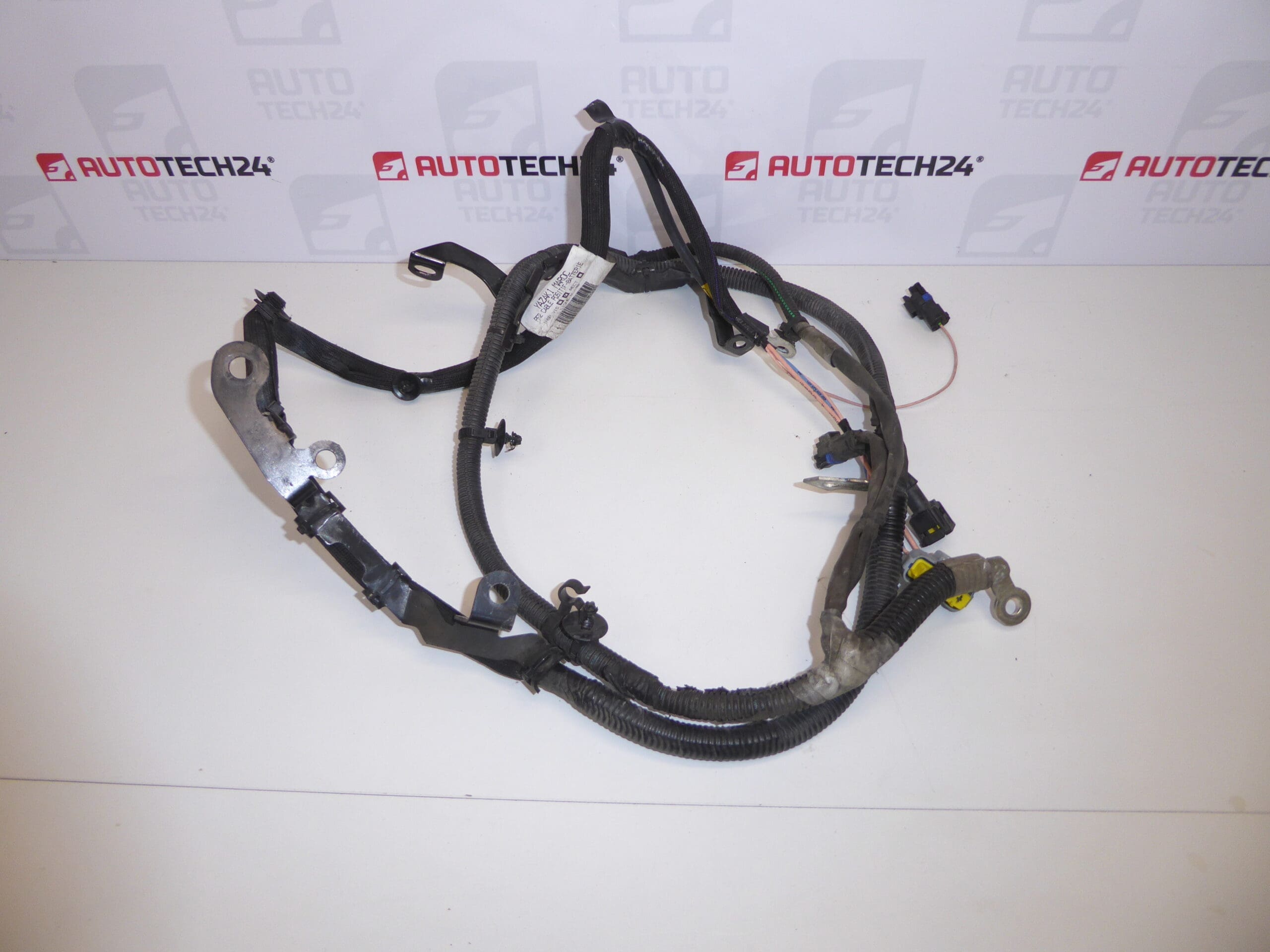
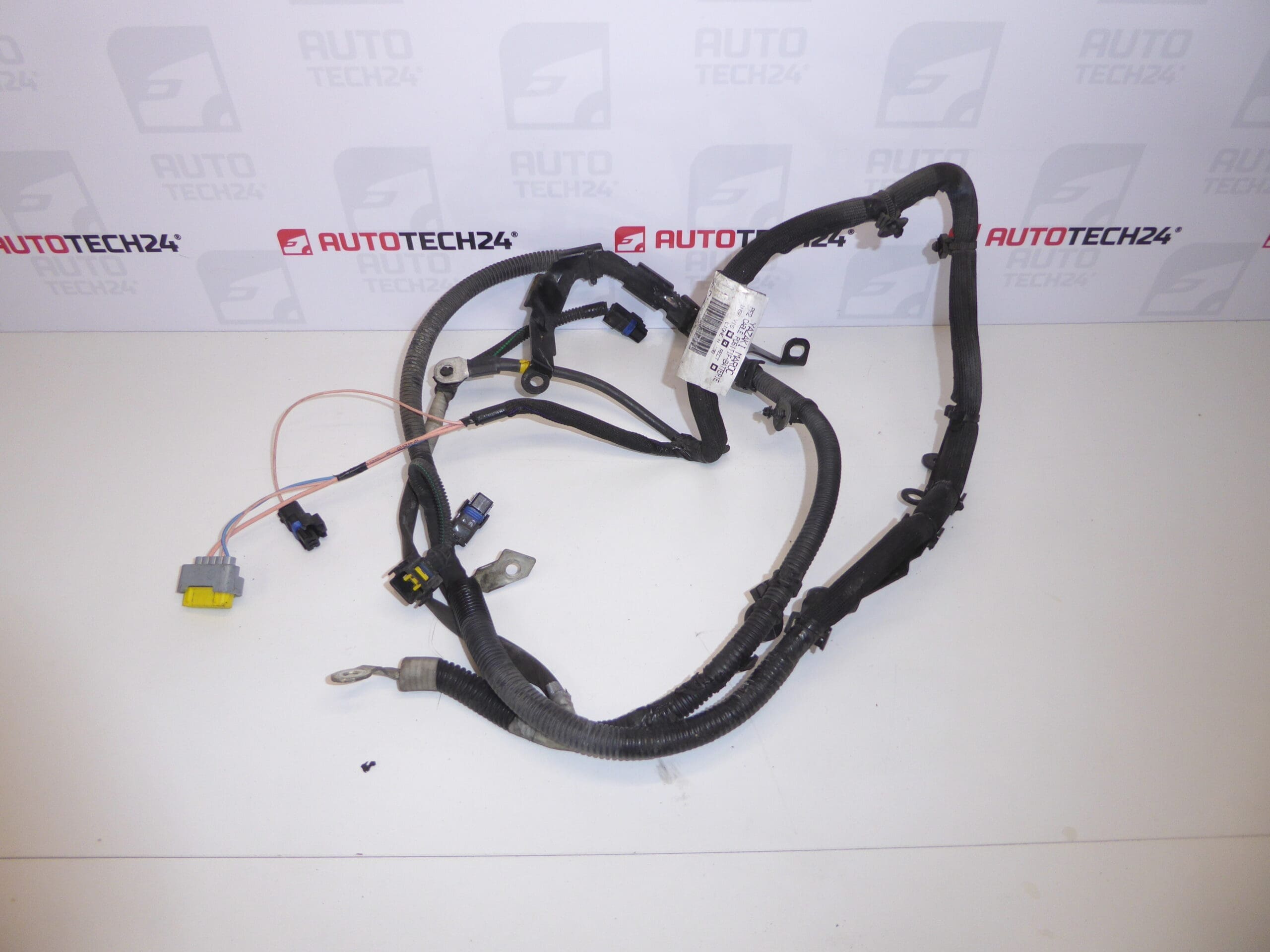
Positive battery terminal power cable harness for the 1.6 VTI 5FS 5F01 EP6C engine in CITROEN and PEUGEOT vehicles
Part description
Citroën Peugeot positive battery cable 9689026080 / 5642TH is a used power cable harness for the positive battery terminal. It carries power from the battery to the vehicle’s connected electrical circuits. Intact insulation, reliable terminals, and secure connections are important for safe current transmission and reducing contact resistance.
According to the available information, this part is listed for the 1.6 VTI 5FS 5F01 EP6C engine and the Citroen C4 II, Citroën C4 PICASSO, and Peugeot 308 models. When selecting a part, compare the markings 9689026080 and 5642TH, the shape of the terminals, the branches, and the cable routing with the original harness. This used part is a reasonably priced option for replacing a damaged cable without makeshift modifications to the power wiring.
Technical information
- Manufacturer: not specified; the available information lists the Stellantis CITROEN PEUGEOT designation.
- Model: Citroen C4 II, Citroën C4 PICASSO, Peugeot 308.
- Part type: positive battery terminal power cable harness – positive battery cable.
- Engine according to available information: 1.6 VTI 5FS 5F01 EP6C.
- Condition: used automotive part.
- Other numbers: not specified.
Product codes
- Product codes: 9689026080, 5642TH.
Use these designations when searching for a replacement cable and comparing it with the original part. The model name alone is not a substitute for comparing the specific harness configuration.
Installation recommendations
The following procedure is general guidance for replacing a positive battery power cable. The exact access steps, connection points, and battery disconnection and reconnection procedures depend on the specific vehicle model and configuration. Follow the manufacturer’s service instructions; a short circuit in power wiring can cause burns or a fire.
1) Before installation
- Compare the product numbers, length, branches, terminals, any connectors, protective sleeves, and clips with the old part.
- Inspect the used cable along its entire accessible length. It must not have abraded or cracked insulation, signs of melting, loose terminals, or significant corrosion.
- Inspect the connection points in the vehicle. If the original cable overheated, identify the cause to prevent the damage from recurring.
- Do not install the part if there are any signs of damaged conductors beneath the insulation or an insecure terminal connection.
2) Tools and materials required
- Suitable hand tools for the connections and brackets, and, if necessary, a torque wrench to tighten according to the service documentation.
- Safety glasses, work gloves, and a means of safely covering disconnected terminals.
- Supplies for gently cleaning electrical contacts and a clean cloth.
- A multimeter for subsequently checking electrical function.
3) Step-by-step installation
- Secure the vehicle safely, switch off the ignition and all electrical consumers. Keep the key outside the vehicle and wait for the electronics to go to sleep as instructed by the manufacturer.
- Disconnect the battery using the prescribed procedure. In general, disconnect the negative terminal first, followed by the positive terminal. Secure the disconnected terminals to prevent accidental contact.
- Access the harness by removing only the components that actually prevent its replacement. Refer to the vehicle’s service documentation for the specific access procedure.
- Before disconnecting anything, photograph the cable route, the position of the clips and protective covers, and each connection.
- Release the connections on the old harness. Do not pull on the wires; disconnect any connectors only after releasing their locking tabs.
- Remove the cable from its clips and carefully take it out of its original route. Look for areas of abrasion, pinching, or heat stress.
- Compare the two harnesses side by side and inspect the mating surfaces at the connection points. Carefully remove dirt and surface oxidation; any damaged connections must be professionally addressed first.
- Route the replacement cable along the original path and secure it in the designated clips. It must not be taut, sharply bent, or in contact with hot, sharp, or moving parts.
- Connect all terminals and any connectors. Tighten the connections according to the manufacturer’s specifications, and return the protective covers and sleeves to their original positions.
- Before reconnecting the battery, check that the positive wiring does not touch the vehicle body anywhere, that all connections are secure, and that no tools have been left in the work area.
- Refit the removed components and reconnect the battery according to the manufacturer’s procedure. In general, connect the positive terminal first, followed by the negative terminal. Carry out any procedures required after reconnecting the power supply.
4) Post-installation checks and function verification
- Check that the clamps are securely seated, the positive terminals are covered, and the entire harness is routed safely.
- Test starting and the operation of electrical consumers. If a high-resistance connection is suspected, have the voltage drop under load measured according to the service procedure.
- Watch for unusual smells, smoke, or signs of heated connections. If any occur, do not continue operating the vehicle; have the fault remedied safely.
- If the checks show no faults, take a short test drive. Then, with the vehicle switched off, visually check that the cable is still secured.
5) Common installation errors and how to avoid them
- Working on live power wiring: always disconnect the battery safely first and prevent tools from connecting the positive terminal to the vehicle body.
- Installing a different configuration: compare the numbers, branches, length, and all terminals beforehand; do not force the cable into a different configuration.
- Connections that are too loose or too tight: follow the manufacturer’s specifications to prevent contact resistance and damage to the terminals.
- Omitting clips and protective covers: restore the original fastening and protection of the wiring to prevent insulation abrasion or a short circuit.
- Replacing the cable without addressing the cause: also deal with corroded contacts, faulty connection points, or incorrect routing of the original cable.
Reasons why the part gets damaged
Power battery cables are generally damaged by poor connections, mechanical stress, and insulation aging. The following causes do not constitute an assessment of the condition of the part offered:
- Corrosion and oxidation of contacts increase contact resistance and can cause connections to overheat.
- Loose or damaged terminals impair current transmission and can lead to power interruptions.
- Vibration and chafing caused by missing fasteners gradually damage the insulation and conductors.
- Heat stress and aging can cause the protective sheath to harden and crack.
- Short circuits, incorrect battery handling, or unprofessional work can damage the terminals, conductors, and insulation.