Description
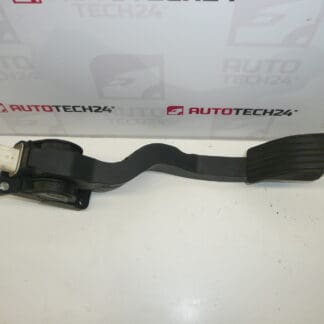
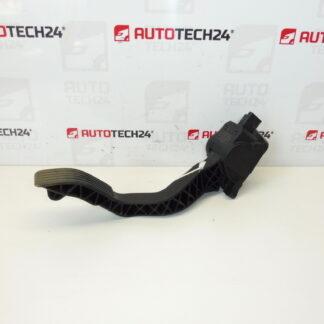
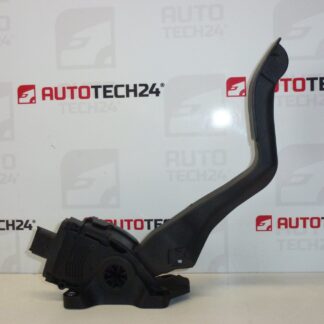
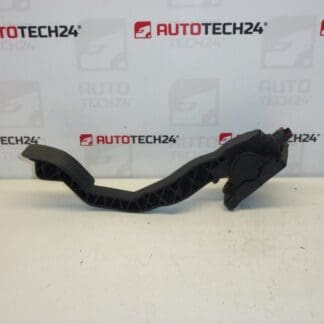
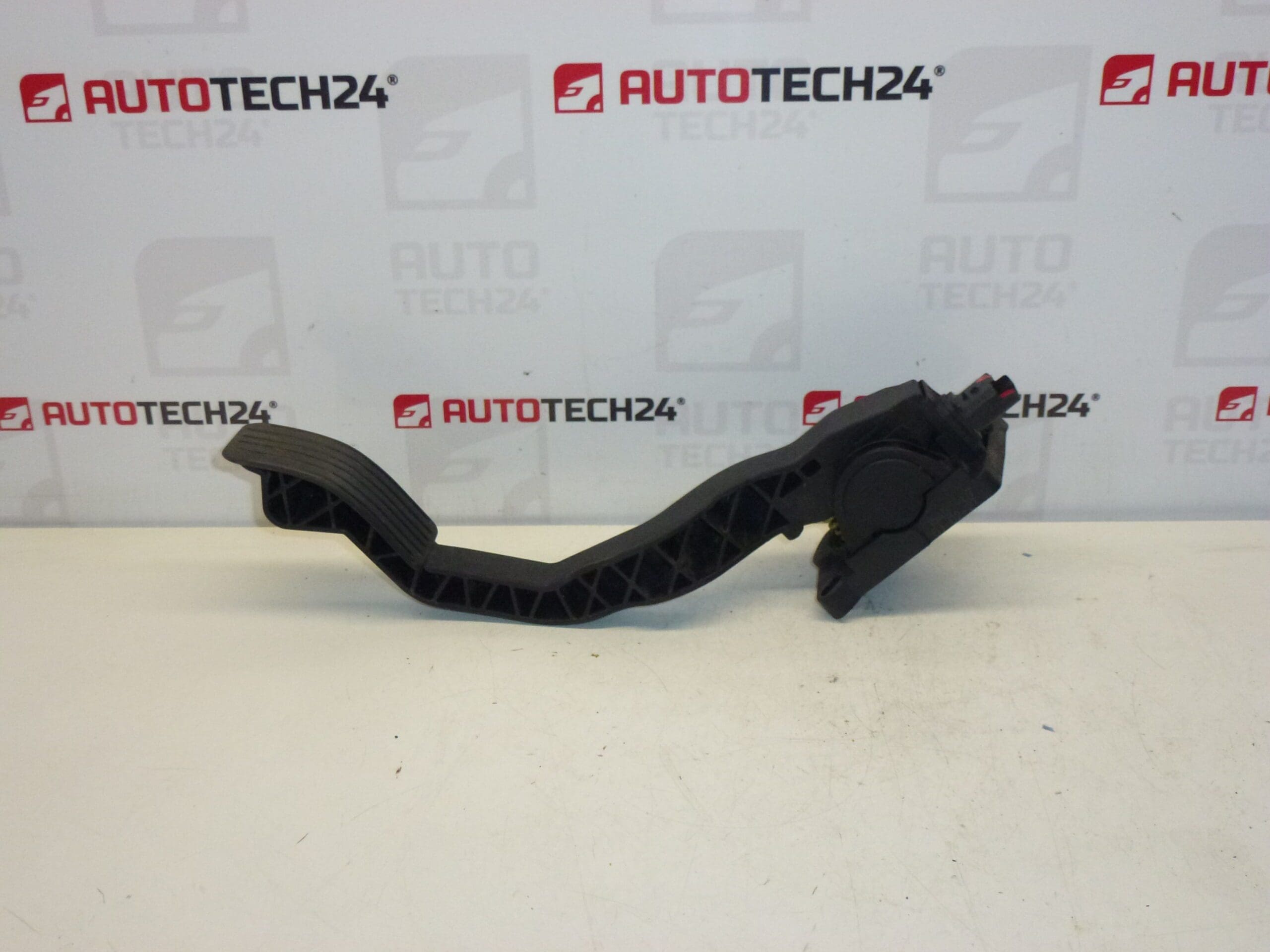
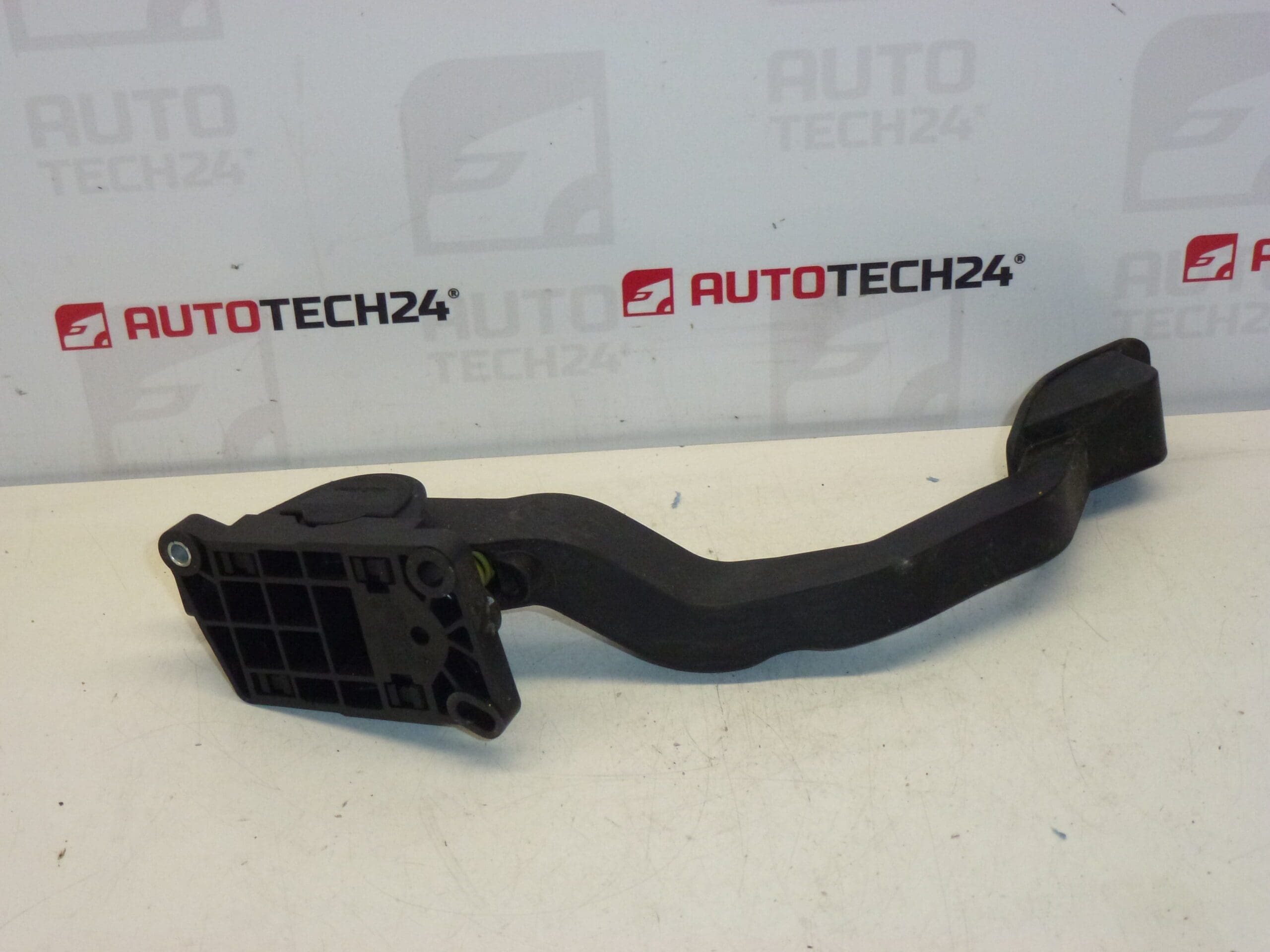
Accelerator pedal for PEUGEOT 206 cars
Part description
This accelerator pedal is a used original part designed for Peugeot 206 cars. It is an important part of the electronic acceleration control, which transfers the movement of the pedal into an electrical signal for other car systems. When looking for the right part, a match by serial number is essential, so all available codes are listed below.
The part can be a suitable choice for repairing faults such as irregular throttle response, signal dropouts or wear of the original pedal. For mechanics and do-it-yourselfers, the possibility of replacing an original part with the same marking is an advantage.
Technical information
- Manufacturer: Bosch
- Model: Peugeot 206
- Other numbers: 9645852280, 0280752237, 1601Q2
Product codes
- Product codes: 9645852280, 0280752237, 1601Q2
- Model names: Peugeot 206
Installation recommendations
Generally/typically for this type of part, the exact replacement procedure may vary depending on the specific car design and pedal support design. With a used electronic part, it is always important to carefully compare it with the old piece and carefully assemble it without damaging the connector or attachment.
1) Before assembly
- Check that all part numbers match the old pedal.
- Compare body shape, connector, attachment points and mechanical design.
- Inspect the condition of the connector, contacts and plastic parts, whether they are cracked, deformed or excessively worn.
- Disconnect the battery before starting work, especially if you are working on an electrical part of the car’s interior.
2) Necessary tools and materials
- regular set of hand tools
- screwdrivers or bits according to the type of attachment
- Ratchet with suitable attachments
- flashlight
- clean cloth
- preparation for cleaning electrical contacts, if needed
3) Step-by-step assembly procedure
- Secure the vehicle against movement and prepare a work area.
- Disconnect the battery and wait a reasonable time before handling the electrical connectors.
- Give access to the pedal area and, if necessary, remove the obstructing covers.
- Disconnect the electrical connector of the old pedal carefully so as not to damage the latch.
- Unfasten the original pedal and remove it from the car.
- Compare the old and new part side by side, especially the connector, dimensions and mounting.
- Clean the mating surfaces and check the mounting area for dirt or damage.
- Place the used gas pedal in the correct place without force and check for proper seating.
- Fasten the pedal firmly using the original mounting method.
- Connect the electrical connector and verify that it is properly seated and not loose.
- Reinstall any covers or parts that were removed for access.
- Connect the battery and perform a basic pedal function check.
-
4) Post-assembly checks and test drive/function verification
- Check that the pedal runs smoothly without stuttering.
- Verify that the connector holds firmly and there is no tension in the wiring anywhere.
- After starting, observe whether the vehicle reacts to stepping on the gas smoothly and without delays.
- During the test drive, check that the acceleration corresponds to the pedal movement and that there are no dropouts or irregularities.
5) The most common assembly mistakes + how to avoid them
- Exchanging a part based on appearance – always compare the product numbers as well.
- Damage to the connector – never disconnect the connector by force, but via the fuse or latch.
- Incorrect pedal seating – check that the part is properly seated in the mount before tightening.
- Installation without checking the condition of the wiring – check that the wires are not broken or chafed.
- Underestimating the functional test – after assembly, always check the reaction of the pedal both at rest and while driving.
Reasons why the part is damaged
- normal wear and tear from long-term use
- mechanical stress and frequent trampling
- intrusion of dirt or moisture
- damage to electrical connector or wiring
- crack of the plastic parts of the attachment
- unprofessional disassembly or assembly of the original part