Description
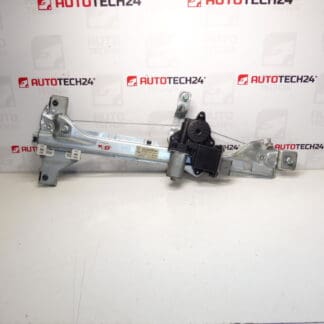
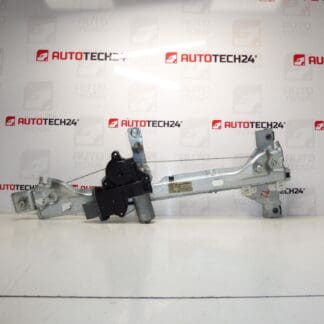
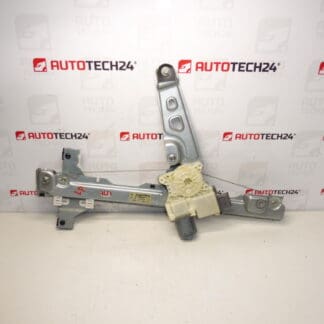
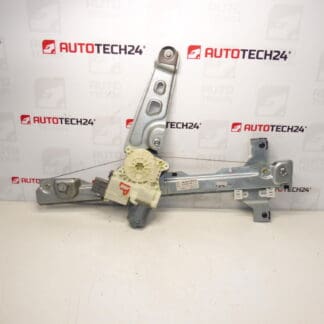
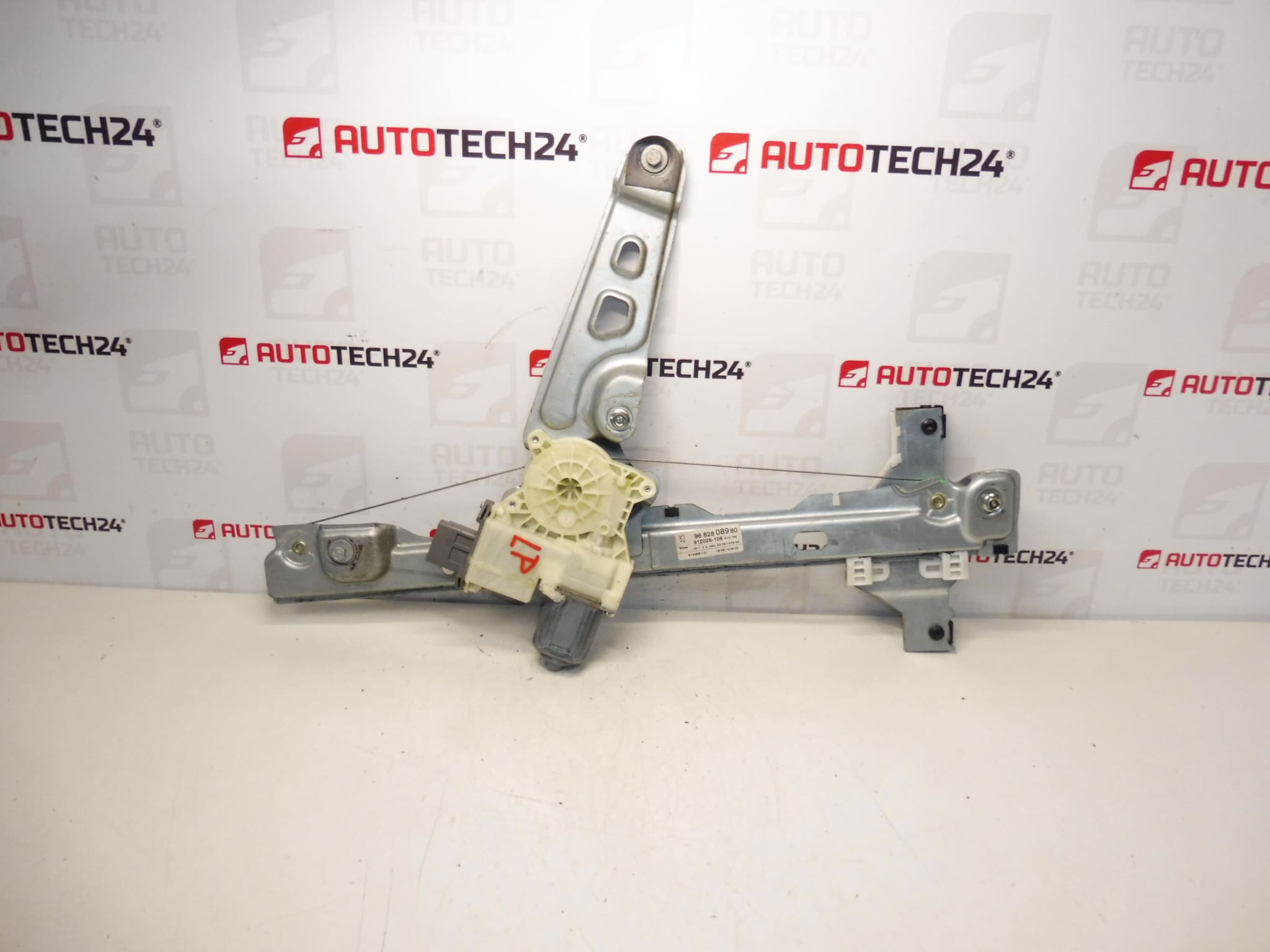
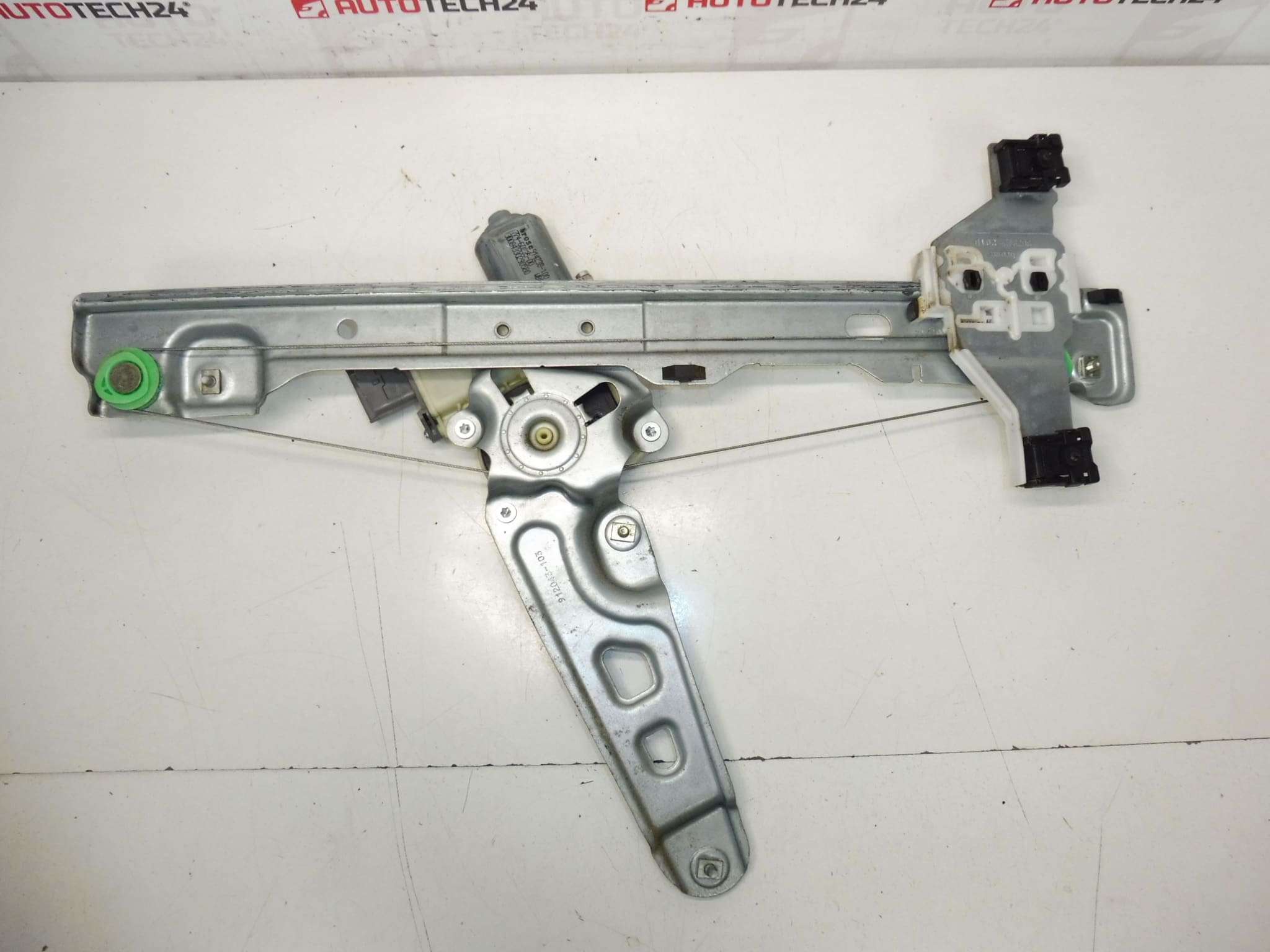
Electric window regulator for PEUGEOT 3008 and 5008 first generation. Driver’s door
Upgrade or replace the front left power window regulator designed for the driver’s door of first generation Peugeot 3008 and 5008. This genuine-style electric window regulator (power window motor and regulator assembly) is indexed by common PSA part numbers and is often sought under the OE codes listed below. Built for serviceability, it restores smooth, quiet window travel and reliable operation for professional workshops and experienced DIY mechanics.
Key Benefits
- Direct Fit For First Generation Peugeot 3008 And 5008: Designed To Match OE Mounting Points And Electrical Connectors.
- Improved Reliability: Restores Proper Window Operation, Prevents Jamming And Grinding Noise.
- Easy To Source By Part Number: Frequently Searched By OE Codes 9682808980 / 9221FF.
- Suitable For Mechanics And Competent DIYers: Clear Replacement Procedure And Plug‑And‑Play Connector.
Technical Information
- Manufacturer: Stellantis / Peugeot / Citroën
- Model: Peugeot 3008 I; Peugeot 5008 I
- Product Codes: 9682808980; 9221FF
- Other Numbers: Not Available
Installation Recommendations
Replacement of the driver’s side front window regulator typically requires the following steps (recommended for trained technicians or experienced DIYers):
- Disconnect Battery Before Starting Work To Avoid Short Circuits And Prevent Accidental Window Movement.
- Remove Door Trim Panel And Moisture Barrier Carefully To Access Regulator Assembly.
- Disconnect Electrical Connector And Remove Mounting Bolts Holding Motor/Regulator To Door Shell.
- If Applicable, Support The Glass And Unclip It From The Regulator Mechanism Before Removing The Old Unit.
- Install Replacement Regulator, Reattach Glass, Test Operation Before Reassembling Door Trim.
- After Installation, Cycle The Window Several Times To Verify Smooth Travel And Correct Alignment.
Why This Part Most Commonly Fails
- Wear Of Electric Motor Brushes And Internal Gear Teeth Over Time, Leading To Reduced Torque Or Complete Motor Failure.
- Cable Fraying Or Plastic Drum Wear In Cable‑Type Regulators Causes Jerky Movement Or Window Dropping.
- Water Ingress, Corrosion, Or Dirt Build‑Up Inside Door Cavity Accelerates Mechanical Wear.
- Misalignment Or Obstruction Of Window Track Places Excessive Load On The Regulator.
- Frequent Use, Heavy Loads (E.G. Frost/Force When Window Is Frozen) Shortens Service Life.
Practical Notes For Workshops And DIYers
This part is commonly searched using the OE codes shown above; include those codes when ordering to ensure correct fit. If the window is noisy, slow, or sticks, replacing the regulator assembly is often the most effective repair. When replacing, inspect door seals, guide rails, and electrical connectors to prevent repeat failures. Always follow manufacturer safety guidance when working on vehicle electrics and moving components.