Description
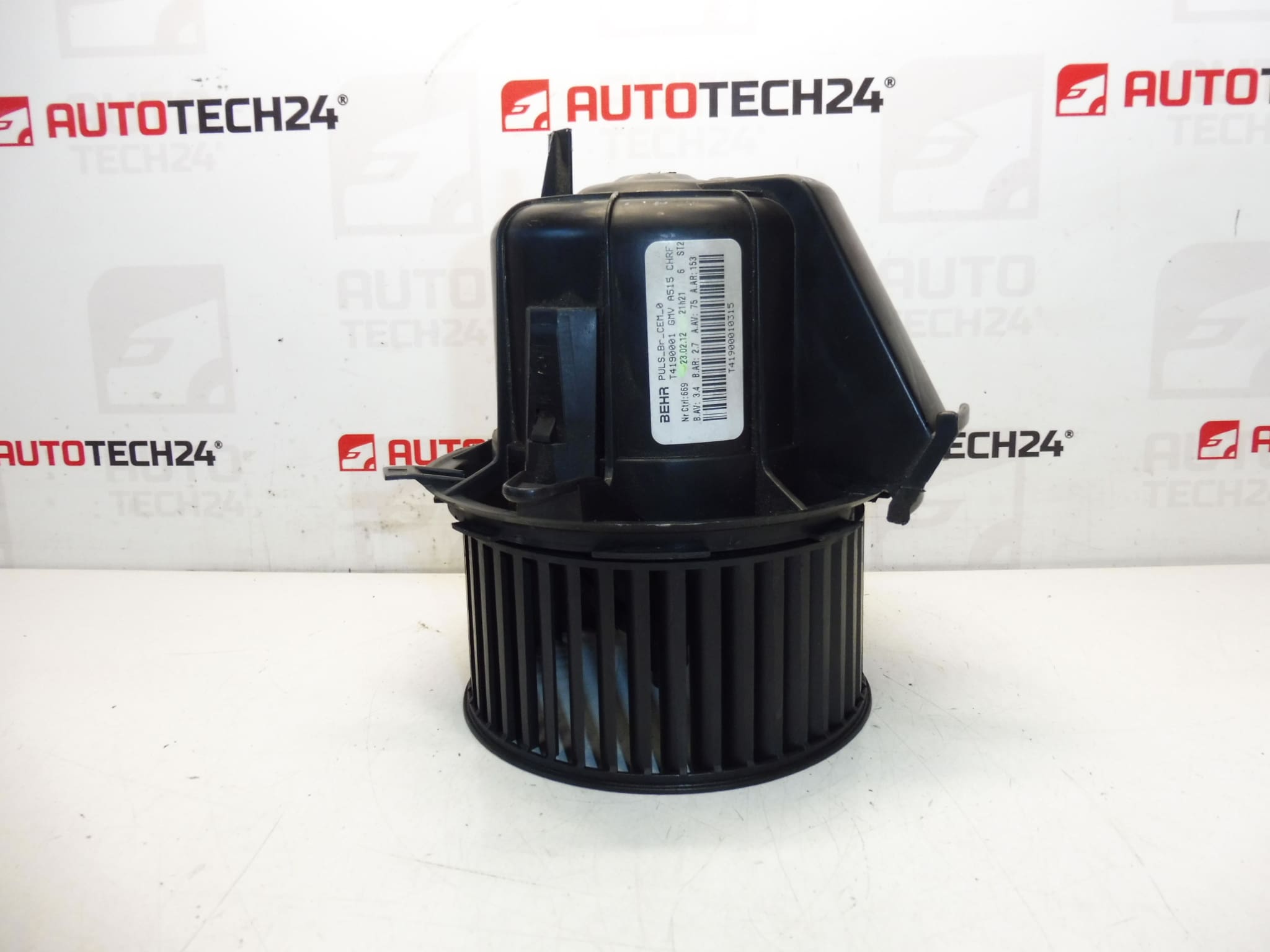
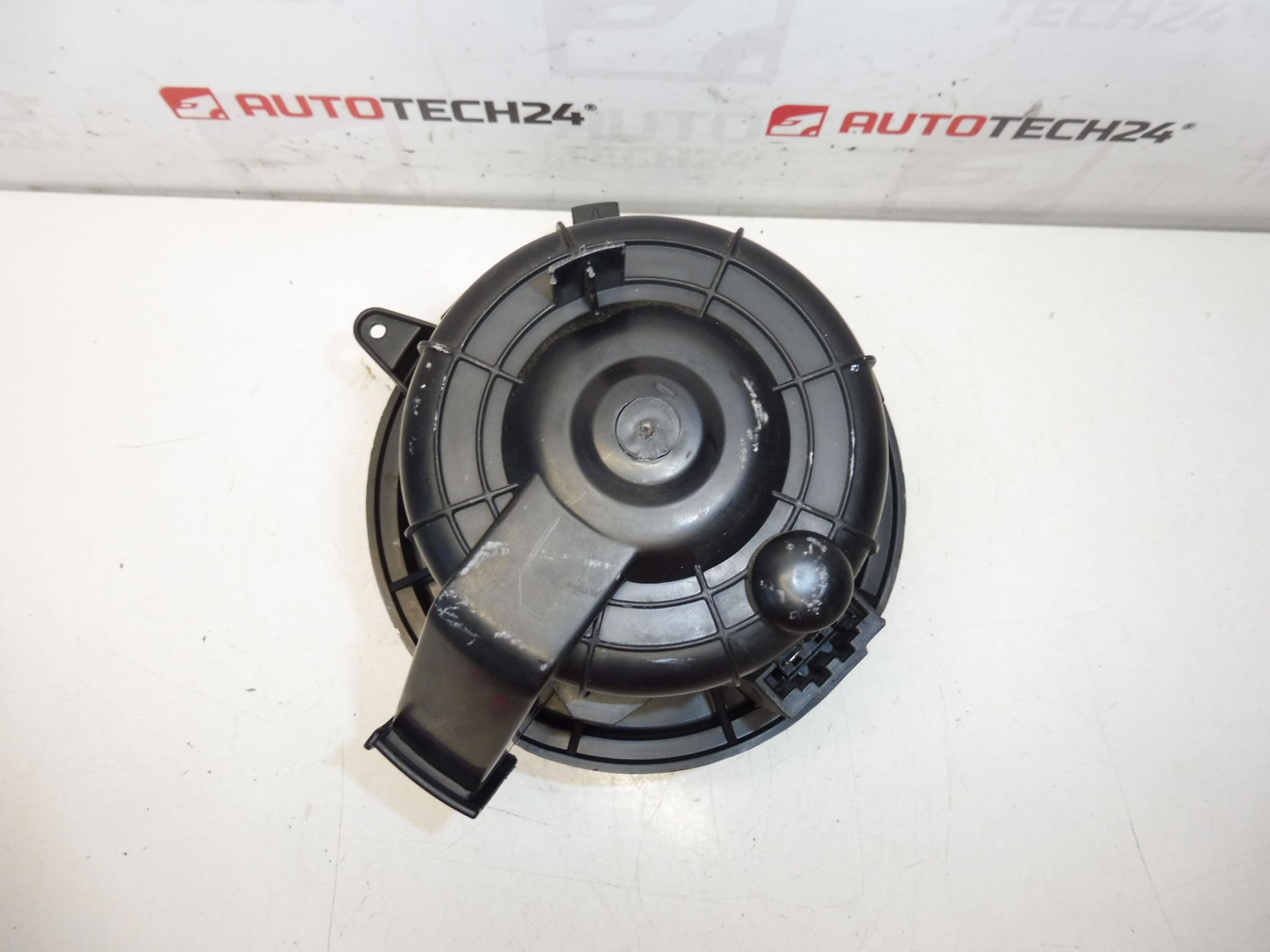
Heater blower fan BEHR for Citroën Peugeot vehicles
High-quality heater blower motor designed for Citroën and Peugeot passenger cars. This direct-fit blower (references T4190001 / 6441CR) restores reliable cabin ventilation and HVAC performance, ensuring even airflow through the heater core and air conditioning system. Ideal for professional workshops and experienced DIY mechanics who need a durable replacement part with known product references for quick identification.
Technical Information
- Manufacturer: Valeo / BEHR
- Model: Citroën C3 II (A51)
- Product Codes: T4190001, 6441CR
- Additional Numbers: Stellantis CITROEN PEUGEOT references
Fitment
Commonly fitted to Citroën C3 II (A51) and compatible with various Stellantis Citroën/Peugeot models that use the same blower motor OE references (T4190001 / 6441CR). Use the product codes to confirm match with the vehicle’s equipment level and production series.
Function
The blower motor forces air through the heater core, evaporator and ventilation ducts to provide cabin heating, ventilation and air conditioning. It works together with the blower resistor or fan speed controller and HVAC control unit to deliver selectable fan speeds and consistent airflow.
How To Replace
- Disconnect the battery before beginning work to avoid short circuits and prevent damage to electrical components.
- Access the blower motor via the passenger footwell—usually behind the glovebox or under a lower dash panel. Remove the glovebox or trim panels as required.
- Unplug the electrical connector and remove the mounting screws or clips securing the blower motor housing.
- Withdraw the old blower motor, fit the new unit ensuring the seal and housing align correctly, then reattach mounting hardware and connector.
- Reconnect the battery and test all fan speeds and HVAC functions before reassembling trim panels.
Installation Recommendations
- Always disconnect the vehicle battery prior to removal and installation.
- Inspect and replace the cabin air filter if dirty; a clogged filter increases blower load and shortens motor life.
- Check the blower motor connector and wiring for corrosion or heat damage; repair as necessary to ensure reliable operation.
- After installation, verify operation across all fan speeds and listen for abnormal noises (bearing rumble or rubbing) that could indicate incorrect fitment.
- Use appropriate hand tools and follow manufacturer torque recommendations for fasteners where specified.
Why This Part Fails Most Often
- Brush and commutator wear from prolonged use causing reduced performance or intermittent operation.
- Bearing failure leading to noisy operation or seized rotor.
- Ingress of moisture or debris into the blower housing, accelerating corrosion and electrical faults.
- Increased load due to clogged cabin air filter or obstructed ducting, causing overheating and premature motor wear.
- Electrical issues such as faulty blower resistor, relays or poor wiring connections that strain the motor.
Typical Service Life
Service life varies with usage and environment; under normal conditions expect several years of trouble-free operation. In high-use or harsh environments, replacement may be required sooner—commonly noticed after 80,000–200,000 km or roughly 5–12 years depending on conditions.
Notes For Professionals
This blower motor is intended for technicians and skilled DIYers. Refer to vehicle-specific repair manuals for detailed removal sequences and torque specifications. Keep the work area free of loose debris to avoid contamination of the blower assembly during installation.