Description
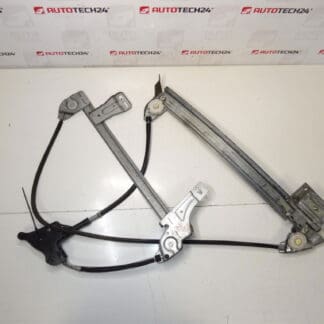
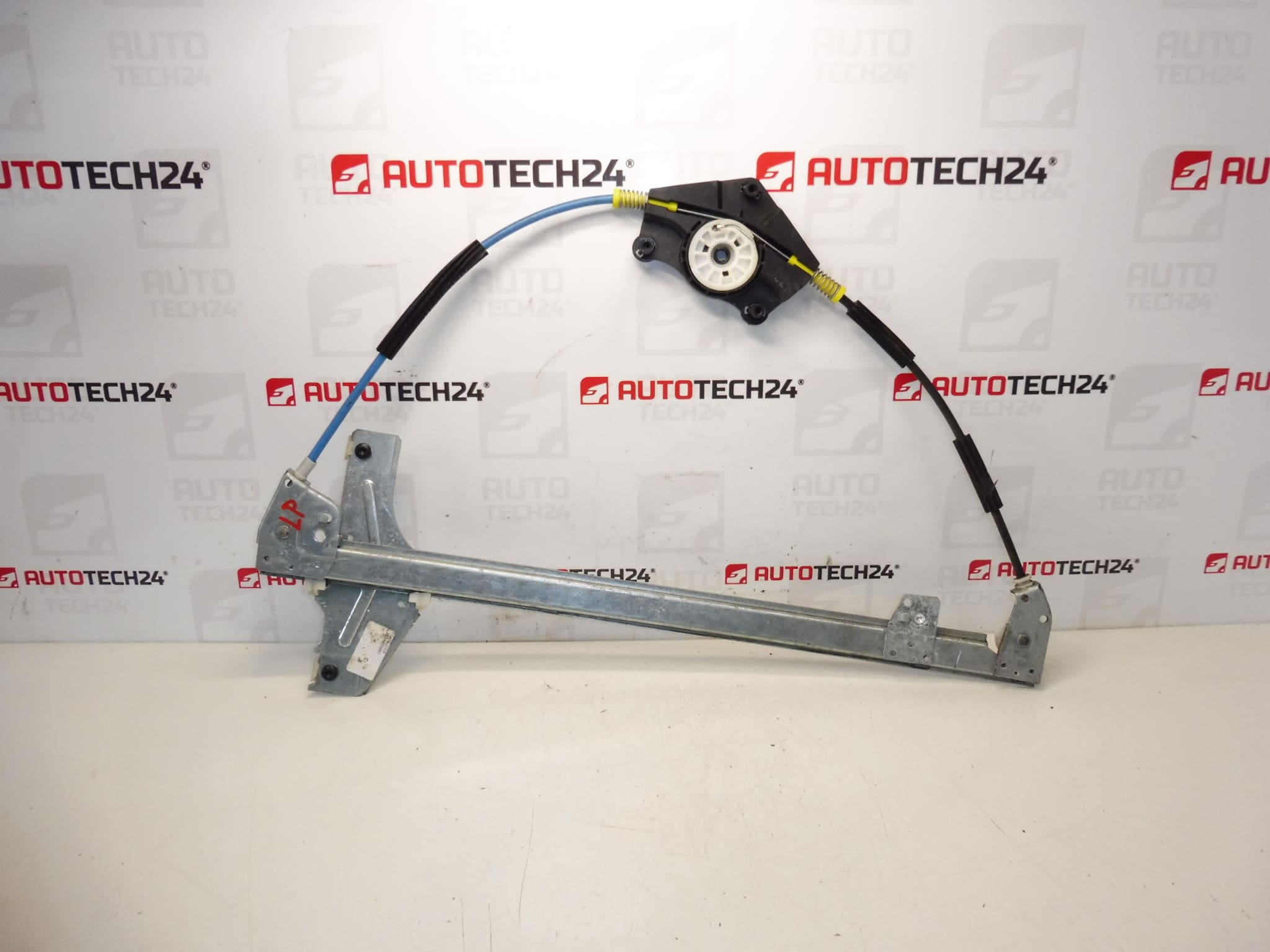
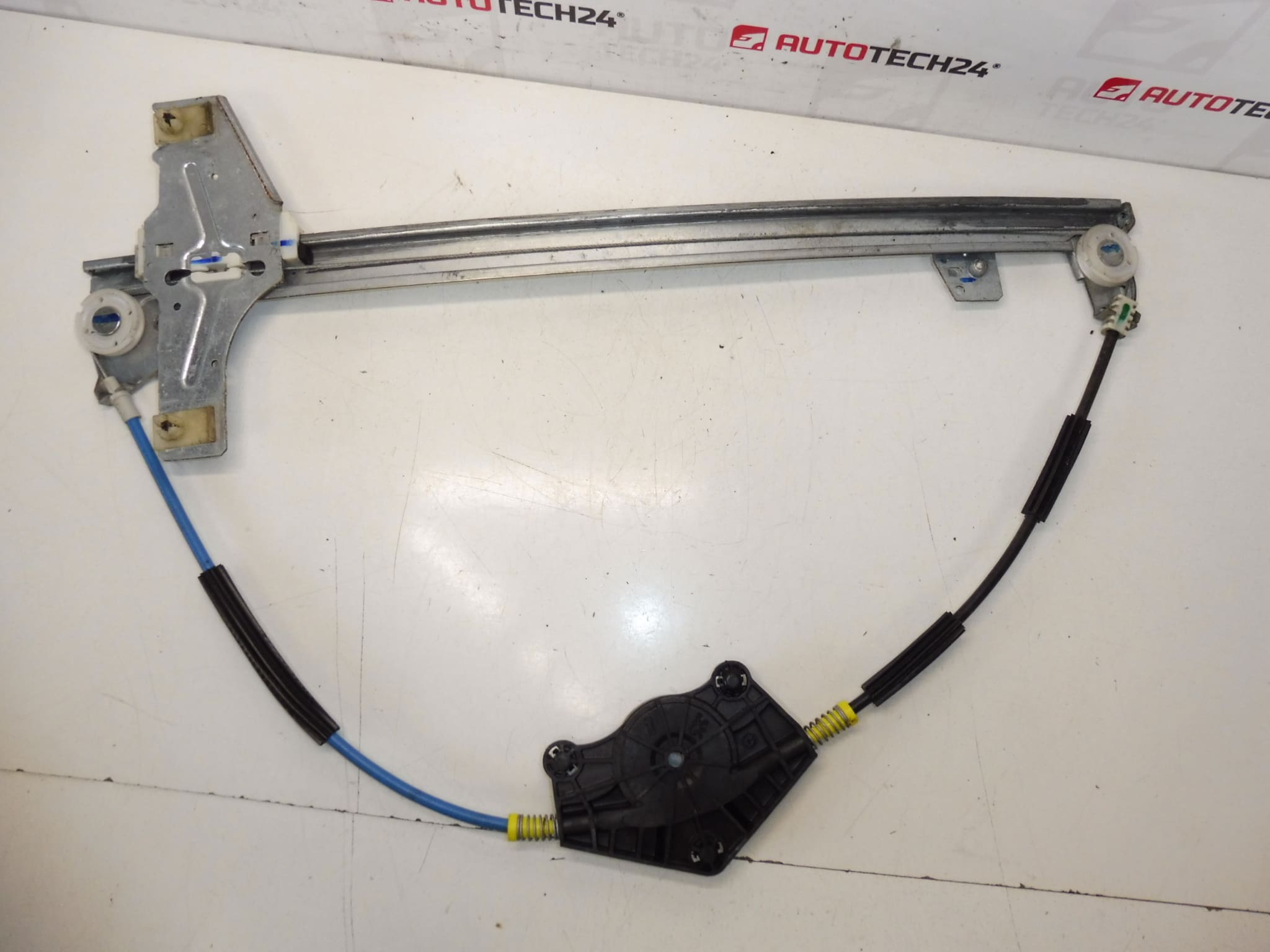
Window regulator mechanism for the left front window for PEUGEOT 307 5-door Driver’s door.
Product Overview
Direct-replacement window regulator mechanism designed for the left front (driver’s) door of Peugeot 307 5-door models. This part is identified by the product codes 9634456980 and 9221K0, making it easy to find when searching by part number. Built for professional workshops and doing-it-yourself repairs, the regulator restores reliable, smooth operation of the electric window and reduces rattles and binding caused by worn components.
Technical Information
- Manufacturer: Stellantis / Citroën / Peugeot
- Model: Peugeot 307 5-door (Left Front / Driver’s Door)
- Product Codes: 9634456980, 9221K0, NFP
- Other Numbers: No additional numbers provided
Compatibility
Intended for Peugeot 307 5-door models (including pre-facelift and facelift variants where this part number applies). Verify the part number listed on the old unit to ensure correct fitment. Commonly used by mechanics and experienced DIYers replacing the left front electric window regulator.
Function
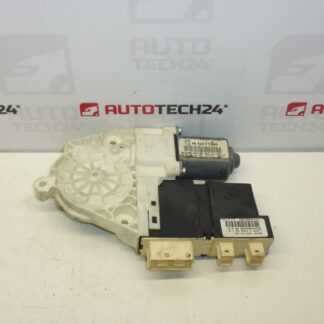
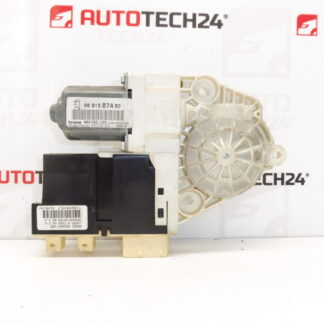
The window regulator mechanism converts the electric motor’s rotation into controlled vertical movement of the window glass. It secures and guides the glass, providing smooth up/down travel, and maintains proper alignment to prevent wind noise and water ingress. Depending on the design, the assembly may include cables, sliders, guides and the electric drive motor (or be supplied as a motorless mechanism where specified).
Common Failure Causes
- Wear and tear of cables, gears or plastic sliders leading to slack, slipping or broken components.
- Motor failure due to electrical wear, overheating or water ingress.
- Corrosion or seizing of guide rails from moisture and road salts.
- Mechanical damage from impact, forced operation or misalignment of the glass.
- Accumulated dirt in the window channel increasing friction and load on the regulator.
Installation Recommendations
Recommended For: Professional technicians and experienced DIYers. Basic electrical and trim removal skills required.
- Before starting, always disconnect the battery to avoid short circuits and accidental motor operation.
- Tools Suggested: Screwdrivers, Torx/metric sockets, trim removal tools, ratchet, gloves and safety glasses.
- Typical Steps: Remove inner door trim and vapor barrier; temporarily support or secure the glass in the fully up position; disconnect electrical connector (if motorised); unbolt and remove the old regulator; install the new regulator and re-secure the glass to the regulator; reconnect wiring; test full travel and adjust alignment; reassemble door trim.
- Ensure the regulator runs smoothly through the full travel before reattaching the trim. Lubricate guide rails with appropriate grease if required by the vehicle manufacturer.
- Allow time for careful alignment of the glass to prevent pinch points and wind noise.
Why This Part Fails Most Often
Window regulators are subject to continuous mechanical stress and environmental exposure. Repeated cycles, water ingress, dirt accumulation and aging of plastic components typically cause the most common failures. Motor burnout can occur after prolonged heavy use or if the regulator becomes jammed. Addressing worn seals and clearing drainage channels can extend the life of the replacement.
Practical Tips
- If the window is noisy or moves unevenly, inspect the glass mounts and sliders for wear before replacing the entire assembly.
- When replacing the regulator, consider replacing worn clips or fasteners and check the condition of the cable guides and motor connector.
- Test the operation multiple times after installation and check for correct auto-up/auto-down functions if present.
Warranty And Quality
Search by the OE numbers 9634456980 and 9221K0 to ensure compatibility. This part is intended as a direct replacement for the original regulator on compatible Peugeot 307 5-door vehicles.