Description
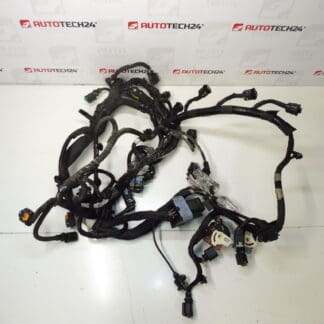
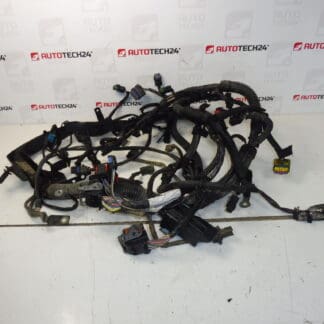
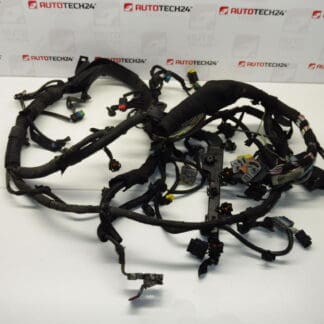
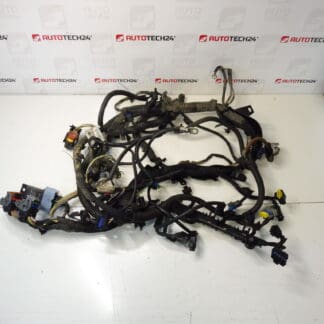
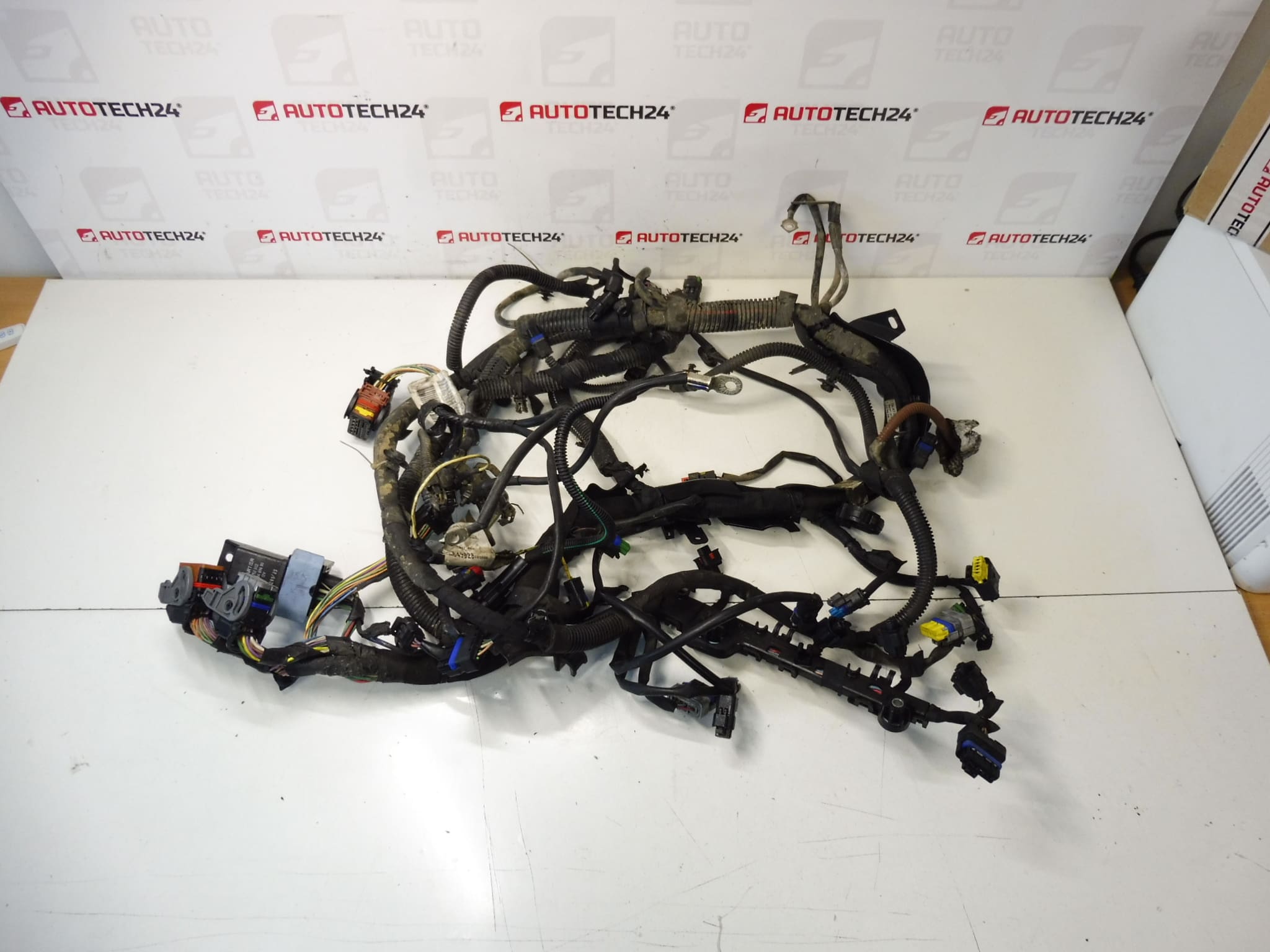
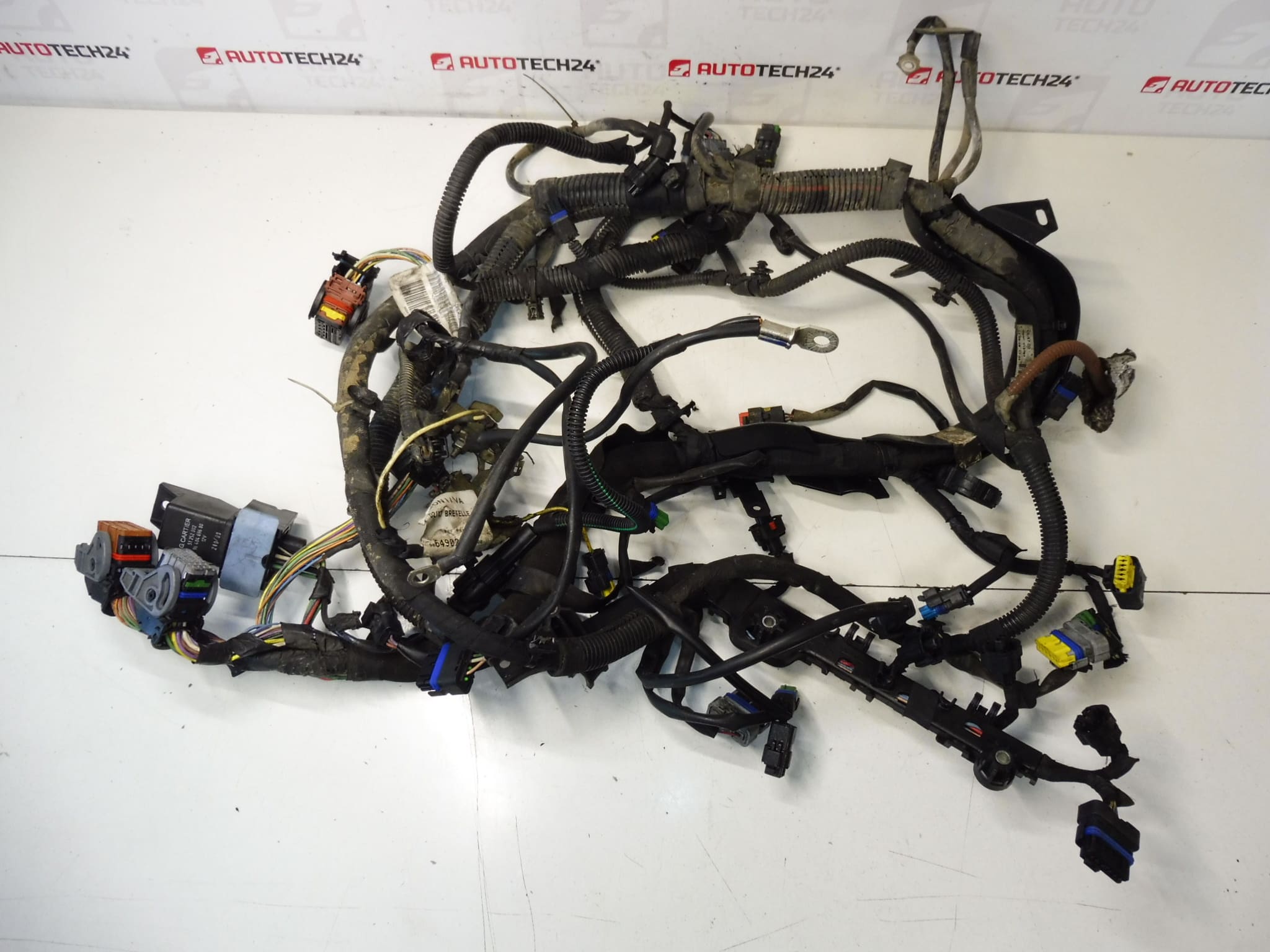
Complete engine wiring harness for Citroën C5 X7 and Peugeot 407 with 1.6 HDi 9HZ engine.
This complete engine wiring harness is an OEM-fit replacement designed for vehicles equipped with the 1.6 HDi (engine code 9HZ). It provides factory-correct connectors and mounting points for sensors, injectors, alternator, starter, glow plugs and the engine control unit, ensuring reliable signal and power distribution. Ideal for professional garages and experienced DIY mechanics who need a direct-fit solution that restores correct engine wiring functionality and helps eliminate intermittent faults and drivability issues.
Technical Information
- Manufacturer: Stellantis
- Model: Citroën C5 X7; Peugeot 407 (1.6 HDi 9HZ)
- Product Codes: 9664740580, 6569TQ
- Additional Numbers: NFP
Fitment And Function
Fits Citroën C5 X7 and Peugeot 407 models equipped with the 1.6 HDi 9HZ diesel engine. The harness routes electrical power and communication signals between the engine control unit and components such as fuel injectors, MAF/MAP sensors, coolant temperature sensor, oil pressure sensor, EGR actuator, turbo actuator, alternator and starter. It also contains ground straps and protective sleeving to ensure secure routing through the engine bay.
Replacement Procedure
- Safety First: Disconnect the negative battery terminal before starting work.
- Gain Access: Remove engine cover, air intake components and any trim obstructing the harness routing.
- Label Connectors: Photograph or mark all connectors and their positions to ensure correct reconnection.
- Disconnect: Carefully unplug all connectors and remove retaining clips and brackets.
- Remove Old Harness: Free the old harness from clips and routing channels and extract it from the engine bay.
- Install New Harness: Route the new harness following factory paths, secure with clips and replace any damaged fasteners or grommets.
- Reconnect: Reconnect all sensors, actuators and ECU connectors. Reconnect the battery and clear any fault codes with a diagnostic scanner.
- Test: Start the engine and verify normal operation. Check for fault codes and inspect wiring routing for rubbing or heat exposure.
Installation Recommendations
- Always Disconnect The Battery Before Working On The Wiring To Prevent Short Circuits And Damage.
- Use Manufacturer-Style Clips And Secure The Harness Away From Moving Parts And Hot Surfaces.
- Inspect And Clean Ground Points To Ensure Reliable Electrical Return.
- Replace Any Damaged Connectors, Seals Or Grommets To Prevent Water Ingress And Corrosion.
- After Installation, Perform A Diagnostic Scan And A Short Road Test To Confirm Correct Functionality.
Most Common Failure Causes
- Mechanical Abrasion And Chafing Against Sharp Edges Or Moving Components.
- Heat Degradation From Proximity To Exhaust Components Or Turbocharger.
- Rodent Damage Chewing Through Insulation.
- Corrosion Due To Water Ingress, Road Salt Or Oil Contamination At Connectors.
- Poor Previous Repairs Or Incorrect Routing Leading To Stress On Wires And Plugs.
This wiring harness offers a practical direct replacement to restore reliable electrical connections on 1.6 HDi 9HZ engines. Replacing a damaged or compromised harness eliminates many common electrical faults, reduces diagnostic time and returns the vehicle to dependable operation for workshop and DIY repairs.