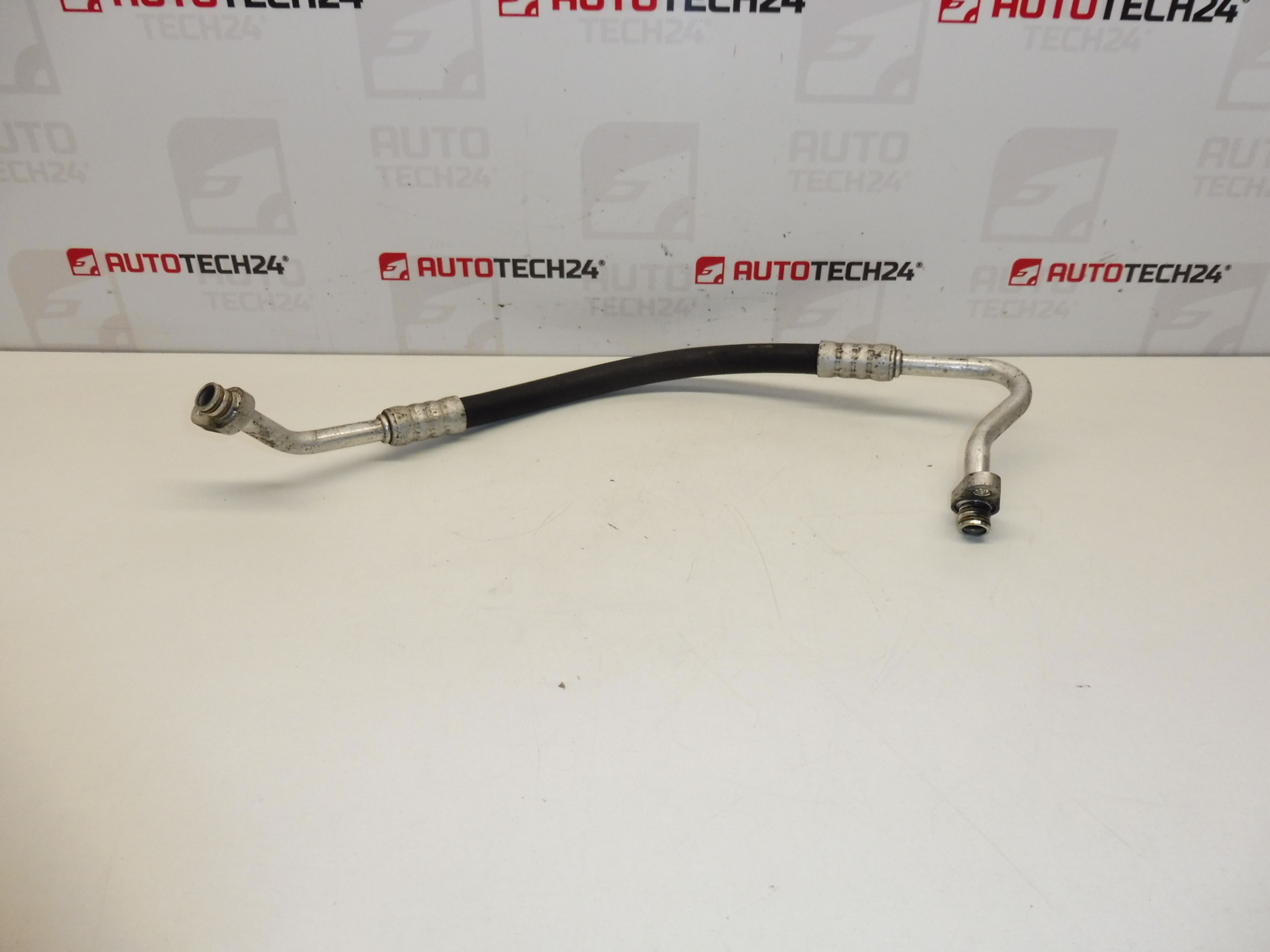
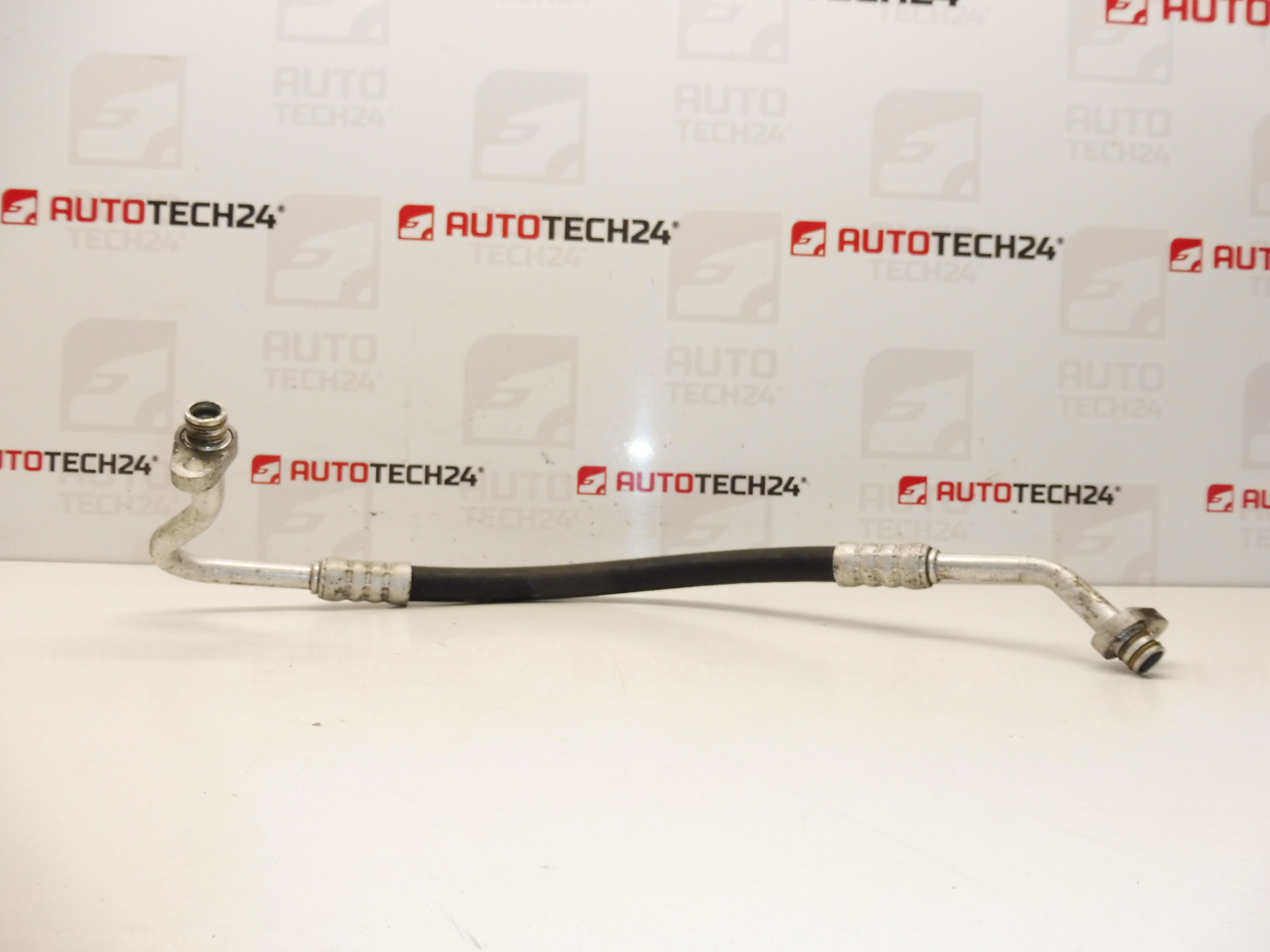
Description
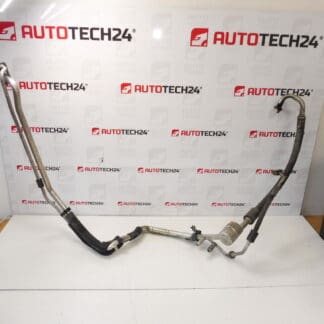
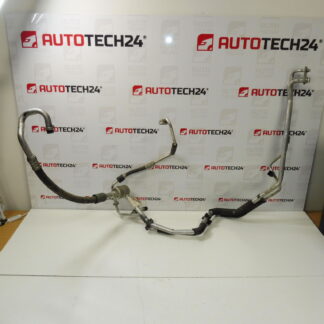
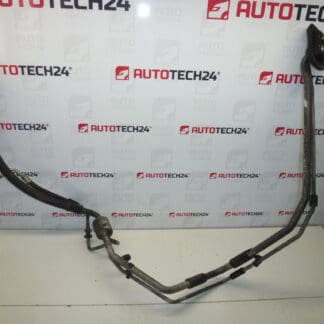
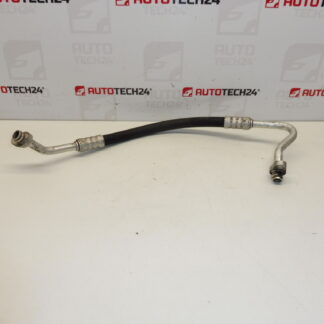
Air conditioning pipe for Citroën C8, Jumpy and Peugeot 807, Expert 2.0 HDI 88 and 100 kW
The Air Conditioning Pipe Is A Direct Fit Replacement Designed For Several Stellantis Diesel Models. It Connects Compressor, Condenser And Evaporator Circuits, Ensuring Correct Refrigerant Flow And System Pressure. This Pipe Is Sought-After By Professionals And DIY Enthusiasts Alike — Often Located By Its Part Numbers When Searching Online Or In Catalogs.
Technical Information
- Manufacturer: Stellantis (Citroën / Peugeot)
- Model: Citroën C8; Citroën Jumpy II; Peugeot 807; Peugeot Expert II 2.0 HDI
- Product Codes: 1498011080
- Additional Numbers: 6460VF; 6477Q3
Compatibility Covers The Listed Models Equipped With The 2.0 HDi Engines Producing Around 88 And 100 kW. Verify Application Against Vehicle Year And Engine Variant Using The Part Numbers Provided To Ensure Correct Routing And Fittings.
Function And Fitment
The Air Conditioning Pipe Carries Refrigerant Between System Components And Maintains System Pressure Under Operating Temperatures. Proper Fitment Ensures Leak-Free Connections, Correct Hose Routing To Avoid Chafing, And Stable Operation Of The Climate Control System.
Installation Recommendations
Removal And Replacement Should Be Performed By A Qualified Technician Or A Competent DIY Mechanic With The Right Tools. Key Steps Include:
- Recover Refrigerant Using Certified Recovery Equipment Before Opening The System.
- Carefully Remove Clamps And Fasteners That Secure The Pipe, Observing Routing To Avoid Pinching.
- Replace All Associated O-Rings And Seals With Correct Size Parts Lubricated With Compatible Compressor Oil.
- Inspect Adjacent Components For Damage Or Corrosion And Replace Any Worn Clips Or Brackets.
- After Installation, Evacuate The System And Perform A Proper Vacuum And Recharge According To Manufacturer Specifications, Then Check For Leaks And System Pressures.
Why This Part Most Commonly Fails
Failures Typically Result From Corrosion, Mechanical Damage, Or O-Ring Degradation. Common Causes Include Road Salt And Moisture Leading To Corrosion, Vibration And Movement Causing Fatigue Or Cracking At Bends And Joints, And Aging Rubber Seals That Harden And Leak Over Time. Impact Damage From Road Debris Or Improper Previous Repairs Also Frequently Leads To Premature Failure.
Regular Visual Inspection During Service Intervals Helps Catch Small Leaks Early. When Replacing The Pipe, Renew Seals And Check Adjacent Mounts To Maximize The Service Life Of The New Component.