Description
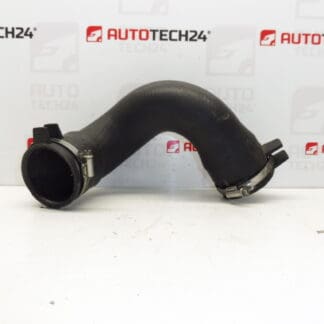
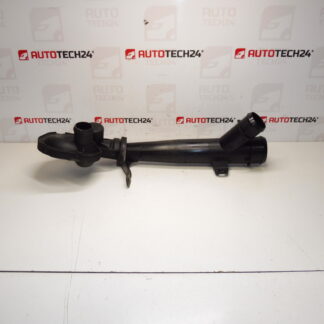
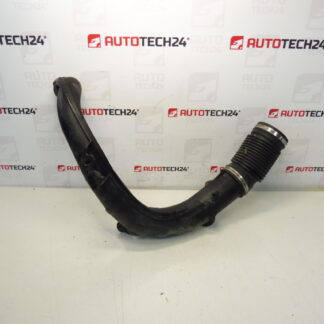
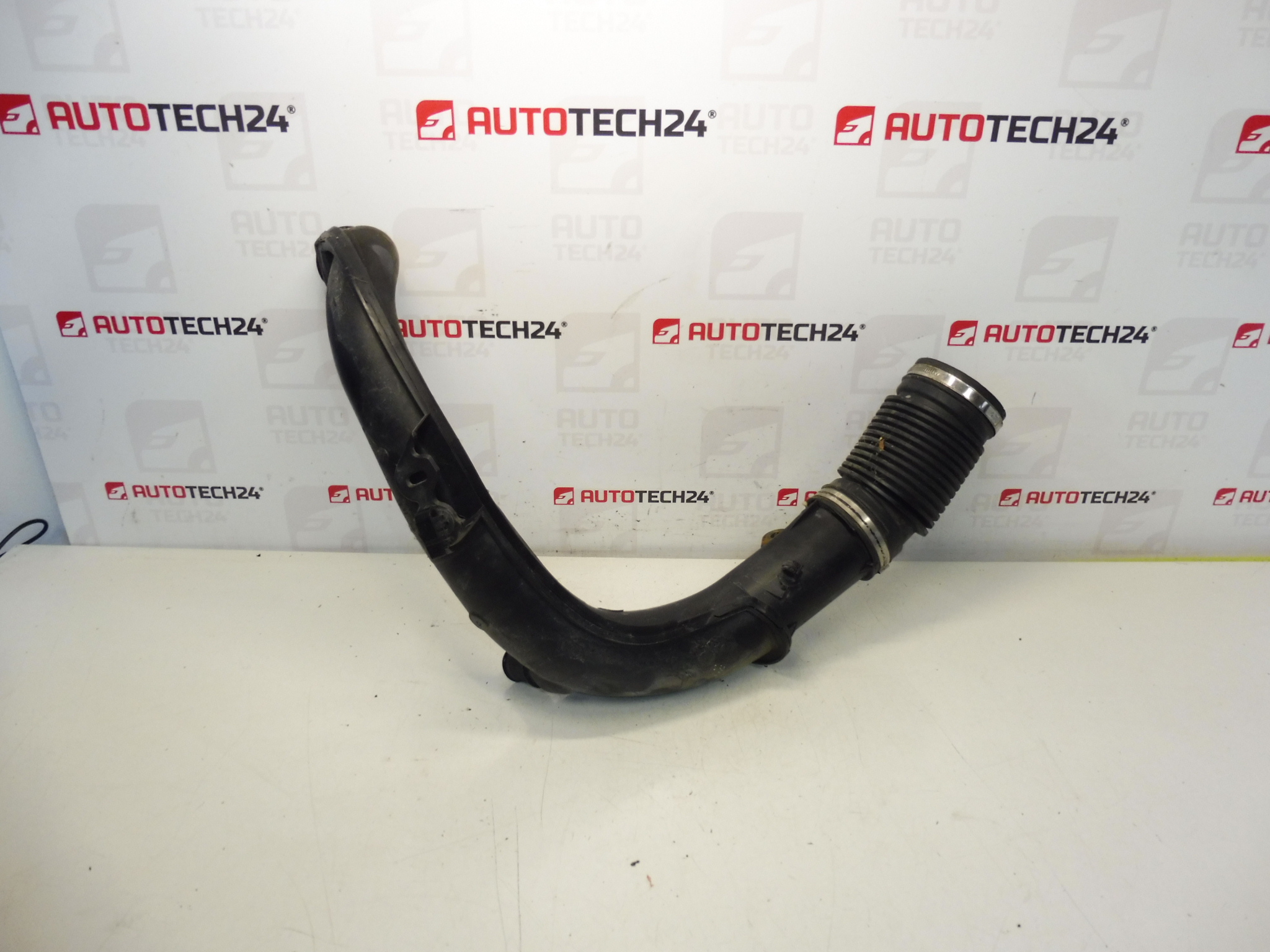
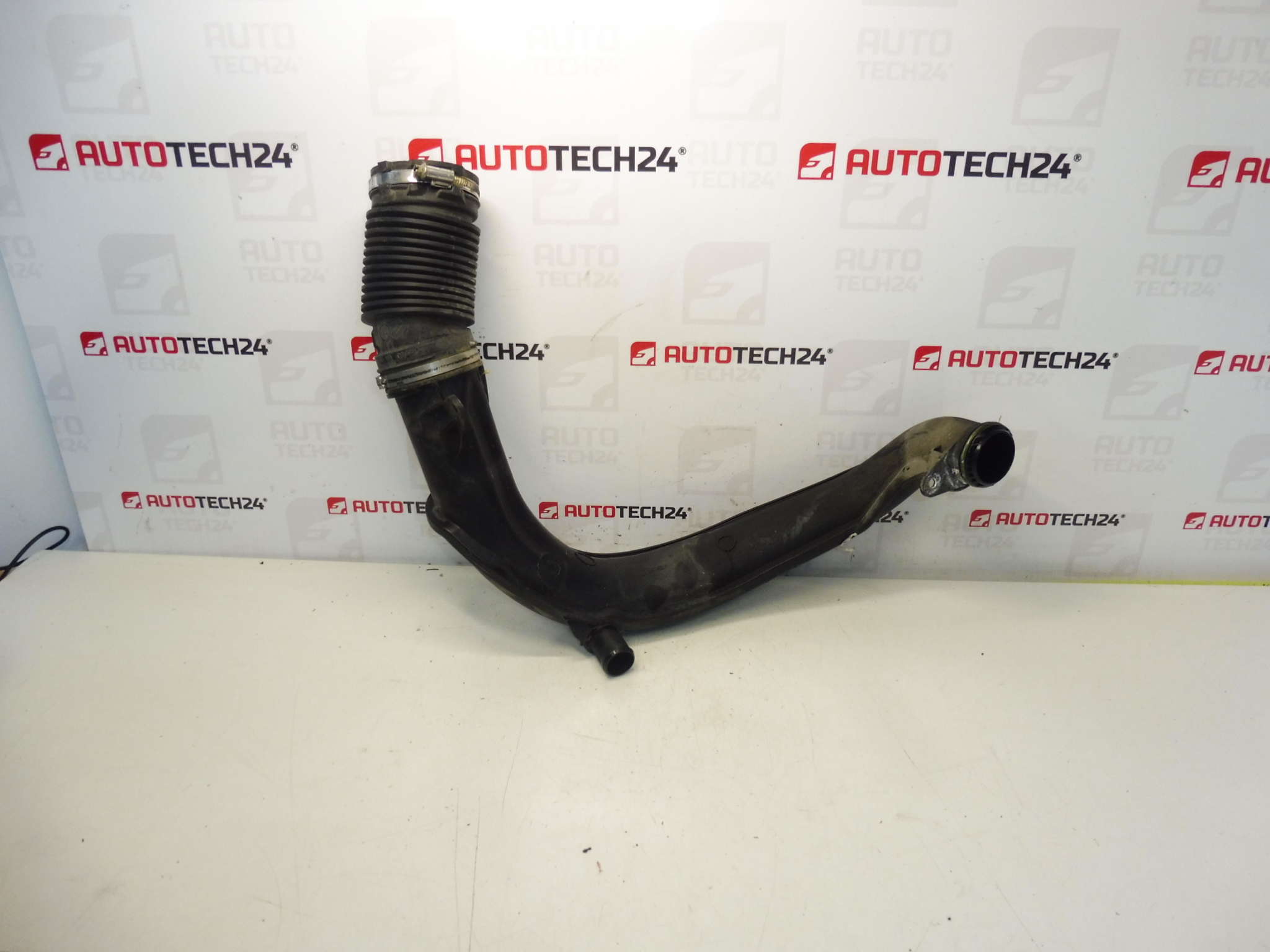
Air inlet pipe to the turbocharger for Citroën and Peugeot vehicles with 2.0 HDi engine.
High-quality replacement turbo inlet pipe designed for 2.0 HDi engines used across selected Citroën and Peugeot models. This component connects the turbocharger to the intake system and ensures correct air routing under boost. Commonly searched by part numbers such as 9652091380 and 9684878980, this pipe is a direct-fit option for mechanics and DIY enthusiasts who need a reliable repair part during turbo or intake system maintenance.
Key Features
- Direct-fit design for vehicles with 2.0 HDi engines.
- Durable construction resistant to heat and vibration from the turbo system.
- Maintains correct boost pressure and airflow to the engine for optimal performance.
- Compatible with multiple OEM reference numbers (see Technical Information).
Fitment And Compatible Models
Designed for use on a range of Citroën and Peugeot vehicles with the 2.0 HDi engine, including but not limited to:
- Citroën C4 Picasso
- Citroën C5 (including X7)
- Citroën C8
- Peugeot 307
- Peugeot 407
- Peugeot 807
Technical Information
- Manufacturer: Stellantis (Citroën / Peugeot)
- Model: 2.0 HDi Turbocharger Inlet Pipe
- Product Codes: 9652091380, 9684878980
- Other Numbers: 9647549880, 9644908180, 143484
Installation Recommendations
- Perform installation on a cool engine to avoid burns and to let rubber and plastic parts settle correctly.
- Relieve any boost pressure and, if applicable, remove intake system clamps and hoses in sequence to avoid stressing adjoining parts.
- Replace old clamps and sealing rings where necessary; reuse of worn clamps can lead to leaks.
- Ensure correct orientation and seating of the pipe; tighten clamps evenly to avoid pinching or deforming the pipe.
- After installation, run the engine and check for boost leaks and secure hose connections. Inspect for oil seepage from the turbo that could indicate additional faults.
Why The Part Most Commonly Fails
The turbo inlet pipe is exposed to high temperatures, pressure fluctuations and oil-contaminated air over time. Typical causes of failure include:
- Age-related cracking or hardening of rubber/plastic sections due to heat cycles and vibration.
- Loose or corroded clamps leading to boost leaks and loss of engine performance.
- Oil contamination from turbocharger seal wear, which can degrade hose material and cause swelling or softening.
- Physical damage from contact with adjacent components or improper previous repairs.
Maintenance And Service Advice
Inspect the turbo inlet pipe during routine turbocharger or intercooler service. If a vehicle shows reduced boost, poor throttle response, or whistling/sucking noises under acceleration, check this pipe and associated clamps and connections first. Replace the pipe if you find cracks, soft spots, or persistent leaks.
Notes For Mechanics And DIYers
Include the part numbers (e.g., 9652091380, 9684878980) when searching or ordering to improve chances of finding the exact fit. This pipe is intended as a mechanical replacement part—verify fitment against vehicle model and engine type listed above before installation.