Description
Rear parking sensor wiring harness for Citroen, Peugeot and other Stellantis Group models
Part description
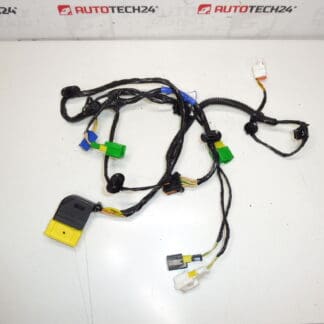
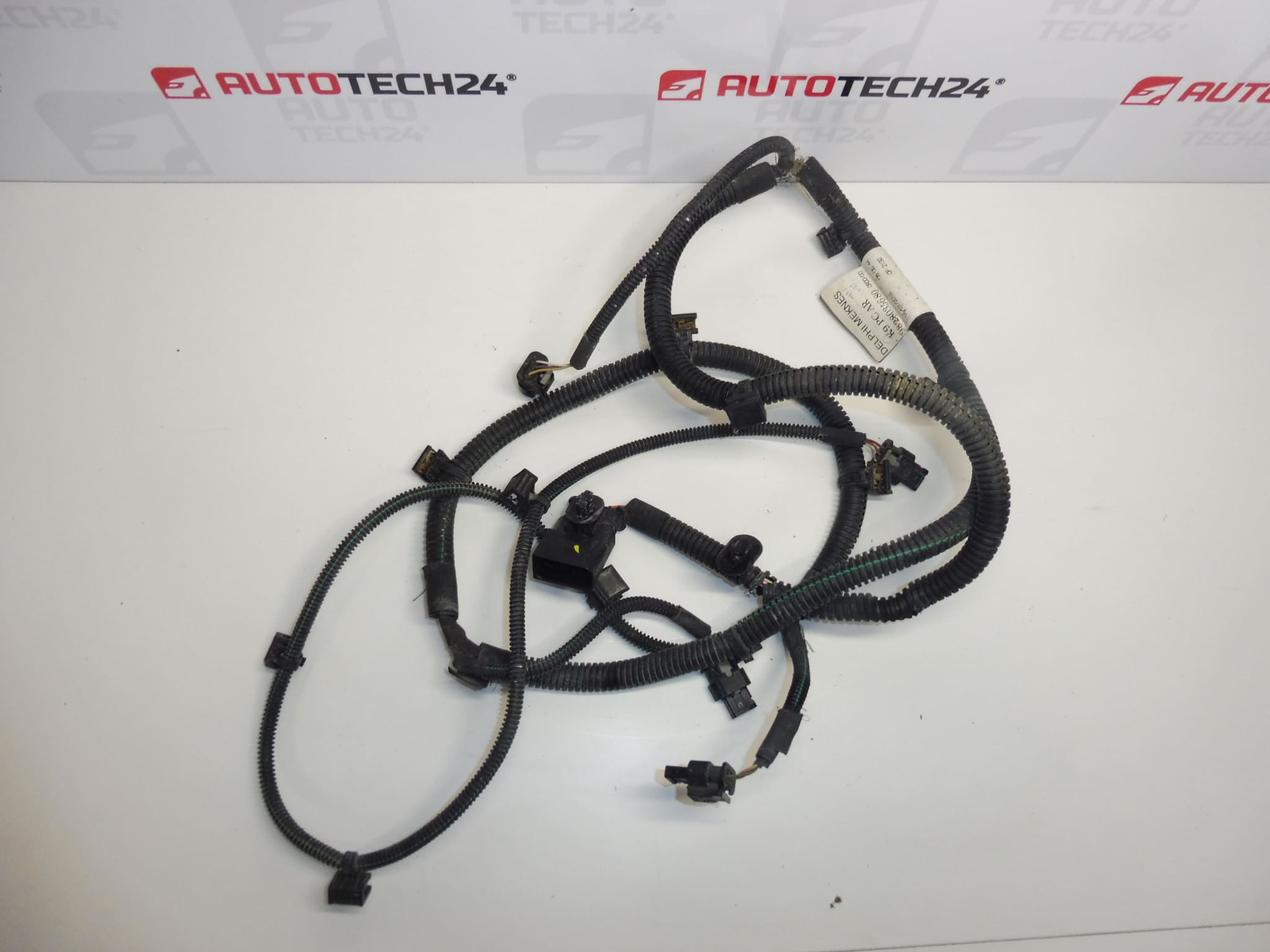
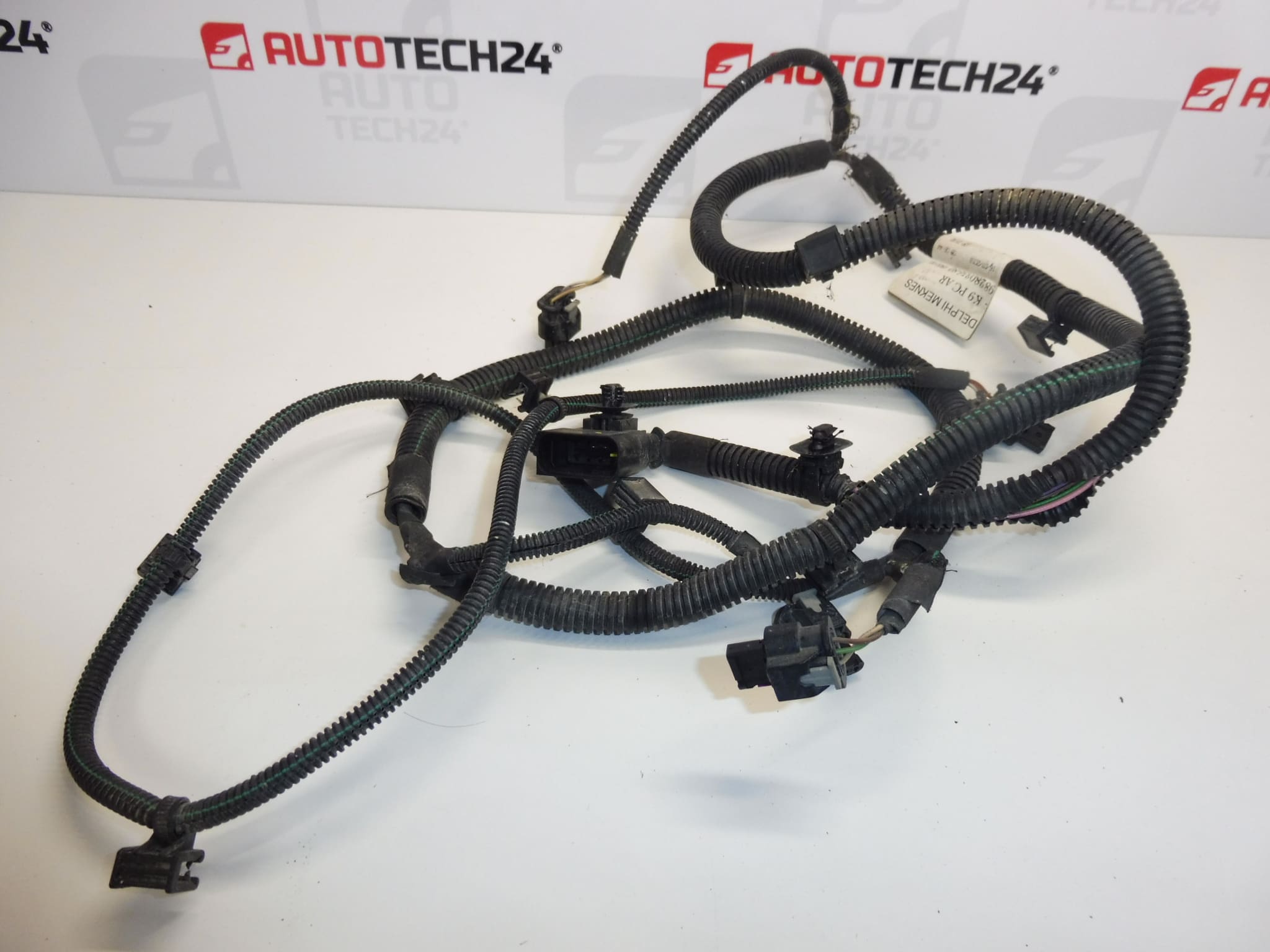
The used PDC rear parking sensor wiring harness, part number 9828035680, electrically connects the rear parking sensors to the vehicle’s electrical system. It is a suitable solution when replacing damaged wiring, for example if wires are broken or connectors are mechanically damaged.
When selecting a replacement, compare the product number, connector design and layout of the individual branches with the original harness. A matching model name alone does not guarantee that the wiring harness is the same version.
Technical information
- Manufacturer: not specified; the source information lists Stellantis / CITROEN / PEUGEOT.
- Model: Citroën Berlingo K9, FIAT DOBLO III, OPEL COMBO E K9, PEUGEOT RIFTER, Toyota ProAce City.
- Part type: PDC rear parking sensor wiring harness.
- Condition: used part.
- Category: electrical components – wiring harnesses.
- Additional numbers: not specified.
Product codes
- Product codes: 9828035680.
Use this number as the primary reference when searching for a replacement harness and compare it with the marking on the original part.
Installation recommendations
The following procedure is a general guide to replacing a parking sensor wiring harness. The exact access to the wiring, how it is secured and whether surrounding parts need to be removed depend on the specific vehicle model and version. Follow the manufacturer’s service procedure.
1) Before installation
- Compare the harness markings, the number and shape of the connectors, their locking mechanisms, the wiring length and branching, and the mounting points.
- Inspect the insulation, protective sleeves, connector latches and any seals. Check that the contacts are not bent, pushed in or corroded.
- Before replacing the harness, verify the cause of the fault. A malfunctioning parking system may also be related to a sensor or another part of the electrical system.
2) Tools and materials required
- Basic hand tools suitable for removing the surrounding parts.
- Plastic tools for releasing clips and trim.
- A multimeter for checking the disconnected wiring, and suitable diagnostic equipment if available.
- A product suitable for cleaning electrical contacts and a clean cloth.
- Suitable clips and wiring protection, as required by the condition of the original mounting hardware.
3) Step-by-step installation procedure
- Secure the vehicle against movement, switch off the ignition and follow the prescribed procedure for allowing the electronics to go to sleep and disconnecting the battery.
- Access the original harness according to the service instructions. Remove surrounding parts only as necessary.
- Take photos of the original wiring route, the position of the branches and each mounting point.
- Label the connections so that the individual sensors are not connected incorrectly during installation.
- Release the connector locks and disconnect them by pulling on the connector housings, not the wires.
- Release the clips one by one and remove the original harness without bending or pulling it forcibly.
- Compare the two harnesses side by side. If the connectors, branching or mounting do not match, do not proceed by making modifications without proper guidance.
- Inspect the mating connectors in the vehicle. Remove any dirt using a suitable method and allow the contacts to dry before connecting them.
- Route the replacement harness along the original path. Allow sufficient slack in the branches and protect the wiring from sharp edges, moving parts and heat sources.
- Connect the connectors to the corresponding sockets and check that the latches are secured and any seals are correctly seated.
- Secure the harness and check that it is not stretched or pinched anywhere. Reinstall the removed parts.
- Restore the power supply according to the manufacturer’s procedure and check the operation of the parking system.
4) Post-installation checks and function verification
- Check that the wiring is securely fastened and correctly routed, especially at transitions and branch points.
- Activate the parking system as specified for the vehicle and check its response to a suitable obstacle in a safe area.
- If suitable diagnostic equipment is available, check for reported faults and, after the function test, confirm that they do not return.
- Perform any test maneuver at low speed and do not rely on the sensors alone. No one should stand in the vehicle’s path.
5) Common installation errors and how to avoid them
- Connections mixed up: record which connections go where and how the harness is routed before removal.
- Connectors not fully latched: check the locks after connecting and gently pull on the connector housing to verify the connection.
- Wires stretched or pinched: follow the original route and inspect all branches before refitting the covers.
- Connecting to wet or corroded mating connectors: first eliminate the source of moisture and repair any damaged contacts.
- Replacing the harness without identifying the cause of the fault: first inspect the wiring and related system components.
Reasons why the part gets damaged
For parking sensor wiring harnesses in general, common causes of damage include:
- Mechanical stress and impacts, which can break wires or damage connectors.
- Moisture, dirt and road salt, especially when connector seals are damaged.
- Abrasion of the insulation due to loose clips or incorrect wiring routing.
- Material aging and vibration, which can contribute to cracked insulation or connection faults.
- Improper repairs, such as pulling on wires, damaging latches or leaving joints inadequately protected.