Description
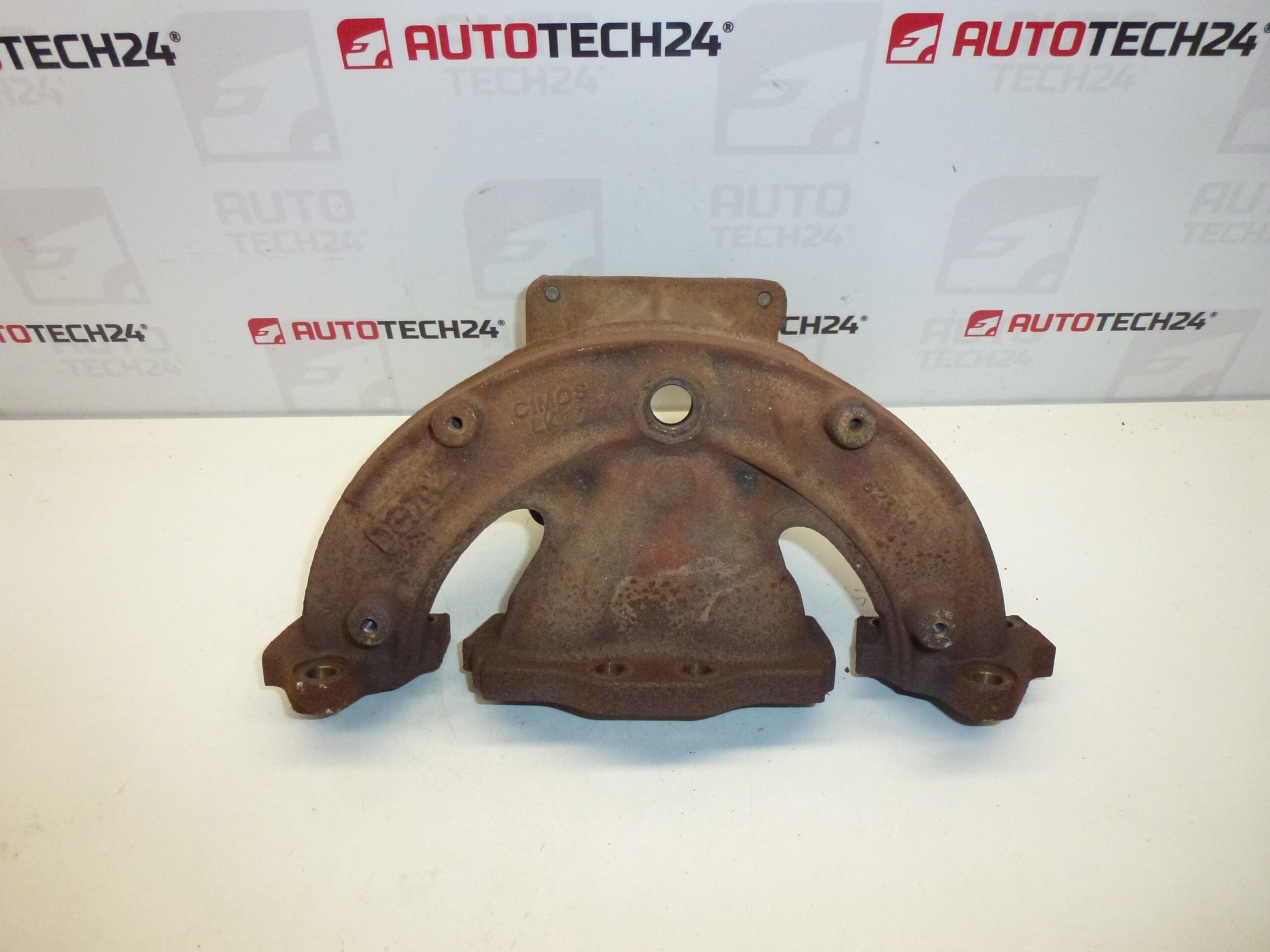
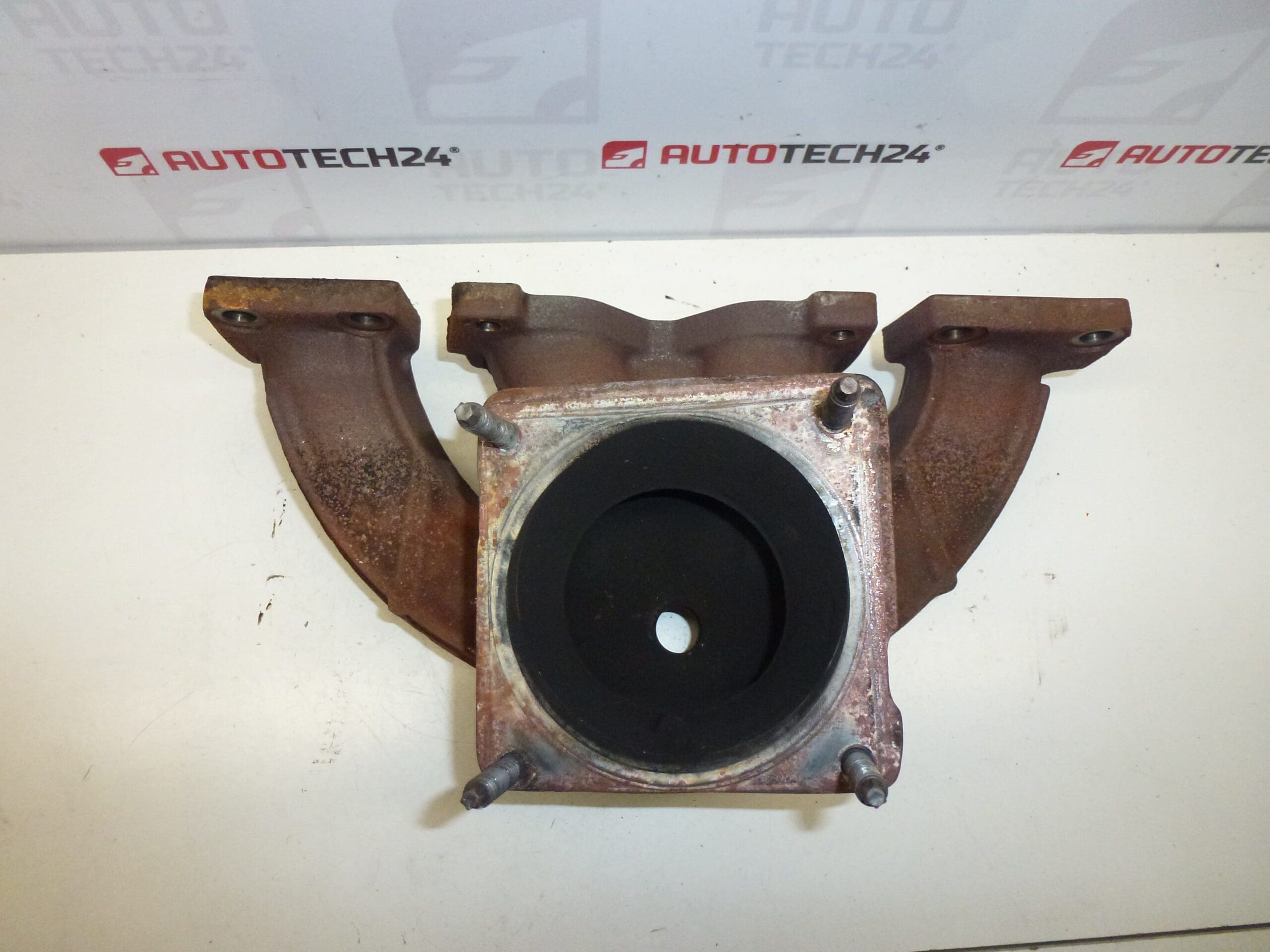
Exhaust Manifolds For 1.4 16V And 1.6 16V Engines For Citroën And Peugeot Vehicles.
Direct-fit exhaust manifold designed for 1.4 16V and 1.6 16V petrol engines used in a range of Citroën and Peugeot models. This manifold restores the exhaust path from the cylinder head to the downpipe/catalytic converter, helping to eliminate leaks, reduce noise and maintain correct backpressure for efficient engine operation. Ideal for professional garages and DIY mechanics who need a reliable replacement part that matches original equipment fitment.
Application And Compatibility
Compatible with a number of Stellantis group vehicles powered by 1.4 16V and 1.6 16V engines. Typical applications include city cars and small family hatchbacks where compact multi-outlet manifold design and reliable sealing are required. Commonly searched by part numbers, so reference the product codes below when ordering or searching online.
Technical Information
- Manufacturer: Stellantis / Citroën / Peugeot
- Model: Citroën Berlingo, Citroën C2, Citroën C3, Citroën C3 Pluriel, Citroën C4, Citroën Xsara, Citroën Xsara Picasso; Peugeot 1007, Peugeot 206, Peugeot 207, Peugeot 307, Peugeot Partner
- Product Codes: 0341G2, 9636962580
- Other Numbers: Stellantis Reference
Installation Recommendations
Replacement of the exhaust manifold is a medium-difficulty job suitable for experienced DIYers and professional workshops. General procedure:
- Allow the engine and exhaust system to cool completely before starting work.
- Raise and secure the vehicle if necessary to access the downpipe; always use appropriate supports and wheel chocks.
- Remove any heat shields and disconnect the downpipe/catalytic converter from the manifold. If present, carefully remove oxygen sensor(s) that may be mounted downstream of the manifold.
- Unbolt the manifold from the cylinder head. Apply penetrating fluid to seized studs/bolts and take care to avoid breaking studs; replace studs or bolts if they show signs of damage.
- Clean mating surfaces on the cylinder head and downpipe. Fit a new exhaust gasket and install the replacement manifold. Use new fasteners where recommended and tighten progressively to the manufacturer’s torque sequence/specifications.
- Reconnect sensors and downstream components, refit heat shields and lower the vehicle. Start the engine and check for exhaust leaks and proper operation.
Use anti-seize on external threads where appropriate and always follow workshop safety practices (gloves, eye protection). If fasteners are heavily corroded, replacing them with new OEM-grade bolts or studs is recommended.
Common Failure Reasons
- Thermal Fatigue: Repeated heating and cooling cycles can cause cracks in the manifold casting or welds.
- Gasket Deterioration: Exhaust gaskets can harden or fail over time, leading to exhaust leaks and noise.
- Corrosion: Salt, moisture and road conditions accelerate rusting of manifold flanges and bolts, causing leaks or broken studs.
- Mechanical Damage: Impact or improper installation can warp flanges or damage mounting points.
- Backpressure or Exhaust System Restrictions: Blocked catalytic converters or downstream restrictions increase stress on the manifold and can contribute to premature failure.
Why Replace With This Part
Replacing a worn or damaged manifold with a correct-fit unit restores exhaust sealing and engine performance, reduces cabin and engine-bay noise, and prevents exhaust leaks that can affect emissions and drivability. The part numbers listed are commonly used in searches, making it easier to find the correct replacement quickly.
Additional Tips
- Always fit a new exhaust gasket when replacing the manifold.
- Inspect downstream components (downpipe, catalytic converter, oxygen sensors) for damage when replacing the manifold.
- If studs are seized, heat and proper extraction tools should be used to avoid stud breakage; consider replacing studs with new ones to ensure a reliable seal.