Description
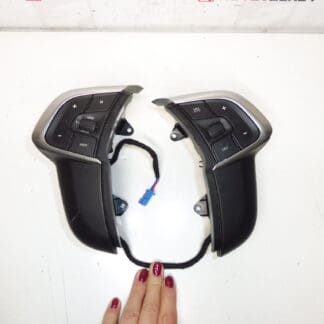
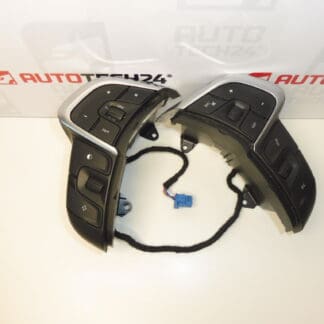
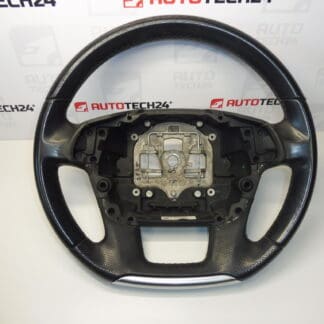
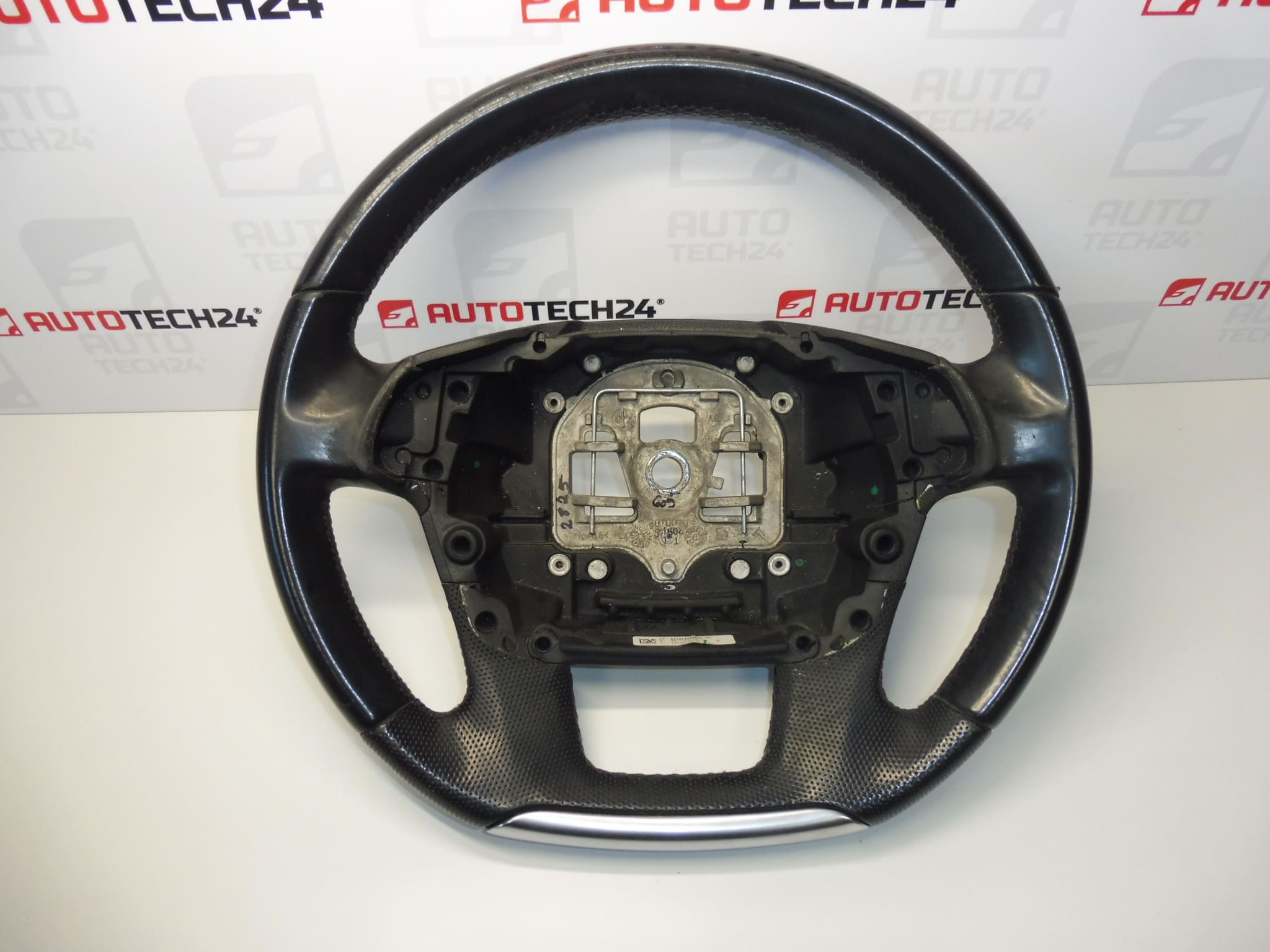
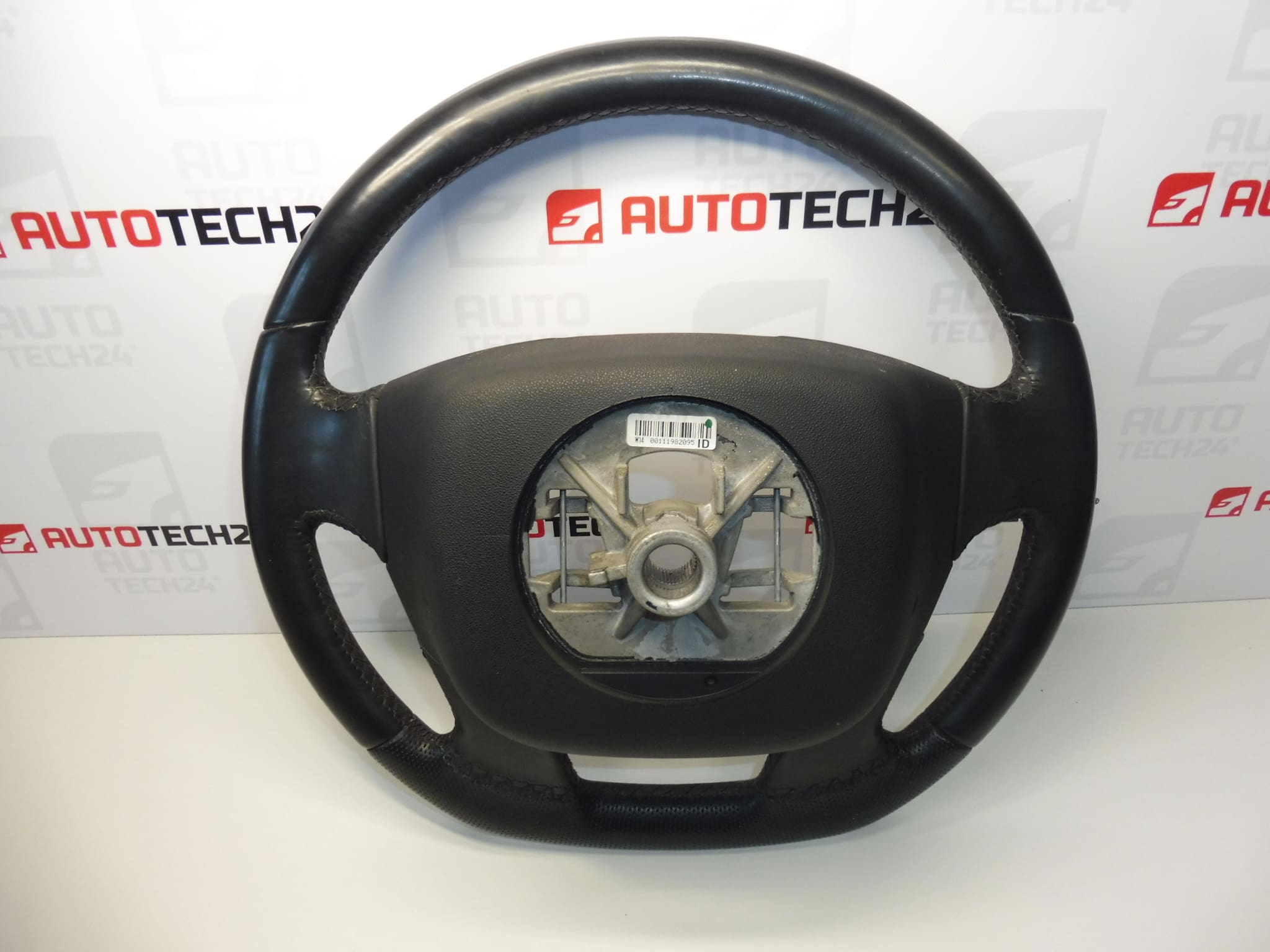
Steering wheel for Citreon C4 II and DS4 without integrated VMF controller – it can be bought extra
LOWER PART OF THE STEERING WHEEL IN UNPERFORATED LEATHER
LEATHER SPLIT – L037
HZD – BLACK MISTRAL
Part description
A used steering wheel for Citroen C4 II and DS4 is a suitable choice when replacing a damaged or significantly worn original steering wheel. The numbers 96754515ZD and 98039712ZD are especially important for finding and comparing the part. The black Mistral finish and non-perforated leather bottom match the part specification listed.
The steering wheel is normally worn, see photos. Therefore, when choosing, also judge the condition of the surface and design according to the photos. The integrated VMF controller is not included with this steering wheel; depending on the documents, it can be purchased separately. Before purchasing, compare the product numbers and design with the existing part.
Technical information
- Manufacturer: Citroën / Peugeot – Stellantis according to documents.
- Model: Citroen C4 II; DS4.
- Type of part: steering wheel.
- Condition: used, normal wear see photos.
- Material designation: split leather – L037; lower part of the steering wheel made of non-perforated leather.
- Color: HZD – BLACK MISTRAL.
- Design: without integrated VMF driver, which can be purchased separately.
- Other numbers: 96700162ZD, 4109QT.
Product codes
- Product codes: 96754515ZD, 98039712ZD, 96700162ZD, 4109QT.
The given numbers are used to locate the part and compare it with the original steering wheel. Appearance match alone is not a sufficient basis for selection; also check the fit and design of the controls.
Installation recommendations
In general, the following procedure applies to changing the steering wheel. Exact disassembly, securing of connections and working with any airbag depend on the specific model and design of the car. The steering wheel is a safety-important part of the steering system, therefore entrust the assembly to a specialist if you do not have the necessary experience and the manufacturer’s service procedure.
1) Before assembly
- Compare the product numbers, shape, mounting, seating surfaces and any connectors with the original part.
- Check the used steering wheel for cracks, deformations, attachment damage and loosening of individual parts. Distinguish normal surface wear from structural damage.
- Check whether the design corresponds to the control elements and possible airbag module of your car. This piece comes without an integrated VMF driver.
- Ensure the service procedure in advance, including the rules for disconnecting the battery, safe work with the airbag and securing the steering wheel.
2) Necessary tools and materials
In general, you will need the appropriate hand tools for the fasteners used, a torque wrench, suitable tools for gently disassembling the covers and a clean work surface. Any special fixtures and the requirement to replace fasteners should be determined exclusively according to the manufacturer’s service procedure.
3) Step-by-step assembly procedure
- Stop the vehicle safely, secure it against movement and set the wheels in a straight direction.
- Turn off the ignition and disconnect the battery according to the manufacturer’s procedure. Observe the prescribed waiting time before working with any airbag.
- Record the original position of the steering wheel and the routing of available wiring so that the correct assembly can be maintained.
- According to the service procedure, release the necessary covers and any airbag module. Do not pull the wires and do not measure the airbag circuits with a regular multimeter.
- Carefully unlock the relevant connectors and safely dispose of the dismantled components according to the manufacturer’s instructions.
- Unfasten the steering wheel and remove it in the prescribed manner. Do not hit the steering column or forcefully pry.
- If the car is equipped with a spiral contact under the steering wheel, keep it in the correct position and prevent it from turning unintentionally. Check accessible landing surfaces.
- Any transfer of the original control elements should only be carried out with the corresponding design and according to the service procedure. Route the wiring so that it does not pinch during assembly.
- Place the replacement steering wheel in the correct position and secure it according to the manufacturer’s instructions. Follow the prescribed tightening and any requirement for new fasteners.
- Connect the connectors, mount the remaining components and check their security. Reconnect the battery only after assembly is complete according to the manufacturer’s instructions.
-
4) Post-assembly checks and function verification
Before driving, check that the steering wheel is firmly seated, that there is no unusual play and that the steering wheel operates freely without rubbing. Check the function of the horn and any controls, as well as the status of the relevant lights. Do a short test drive in safe conditions only if all checks are OK. If the steering wheel is in the wrong position, unusual noises are heard or a malfunction is signaled, do not continue to use the vehicle until the cause has been eliminated.
5) The most common assembly mistakes and how to avoid them
- Steering wheel wrong: keep the original position and follow the service procedure.
- Rotating the spiral contact: during replacement, secure it against unwanted movement according to the manufacturer’s instructions.
- Pinched wiring or loose connectors: check wire routing and connector security before closing the assembly.
- Incorrect tightening: use the torque wrench and values prescribed by the manufacturer for the specific car.
- Underestimation of airbag work: follow the safety procedure and do not perform this work without the necessary knowledge.
Reasons why the part is damaged
In general, wear and tear on steering wheels is mainly caused by daily use. The following causes are typical of this kind of part, not confirmed by the history of the offered piece:
- Friction of hands, rings and other objects can cause smoothing, abrasions and damage to the surface.
- Sweat, grease and unsuitable cleaning agents can damage the finish of the leather.
- Sunlight and changing temperatures contribute to drying out of the material and the formation of cracks.
- Reckless disassembly or assembly can damage the mounting, covers or cabling.
- Impact or excessive mechanical stress can cause deformation of the structure; such a steering wheel is not suitable for further use.