Description
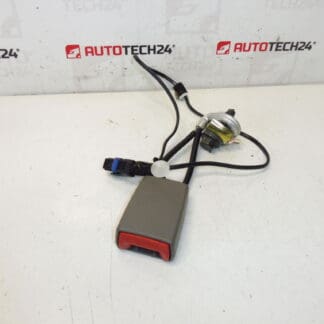
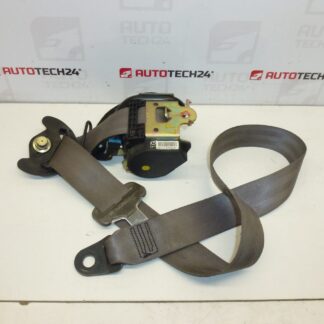
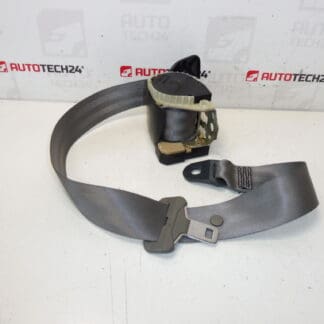
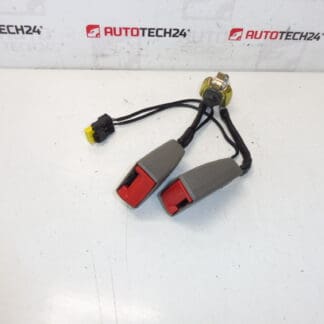
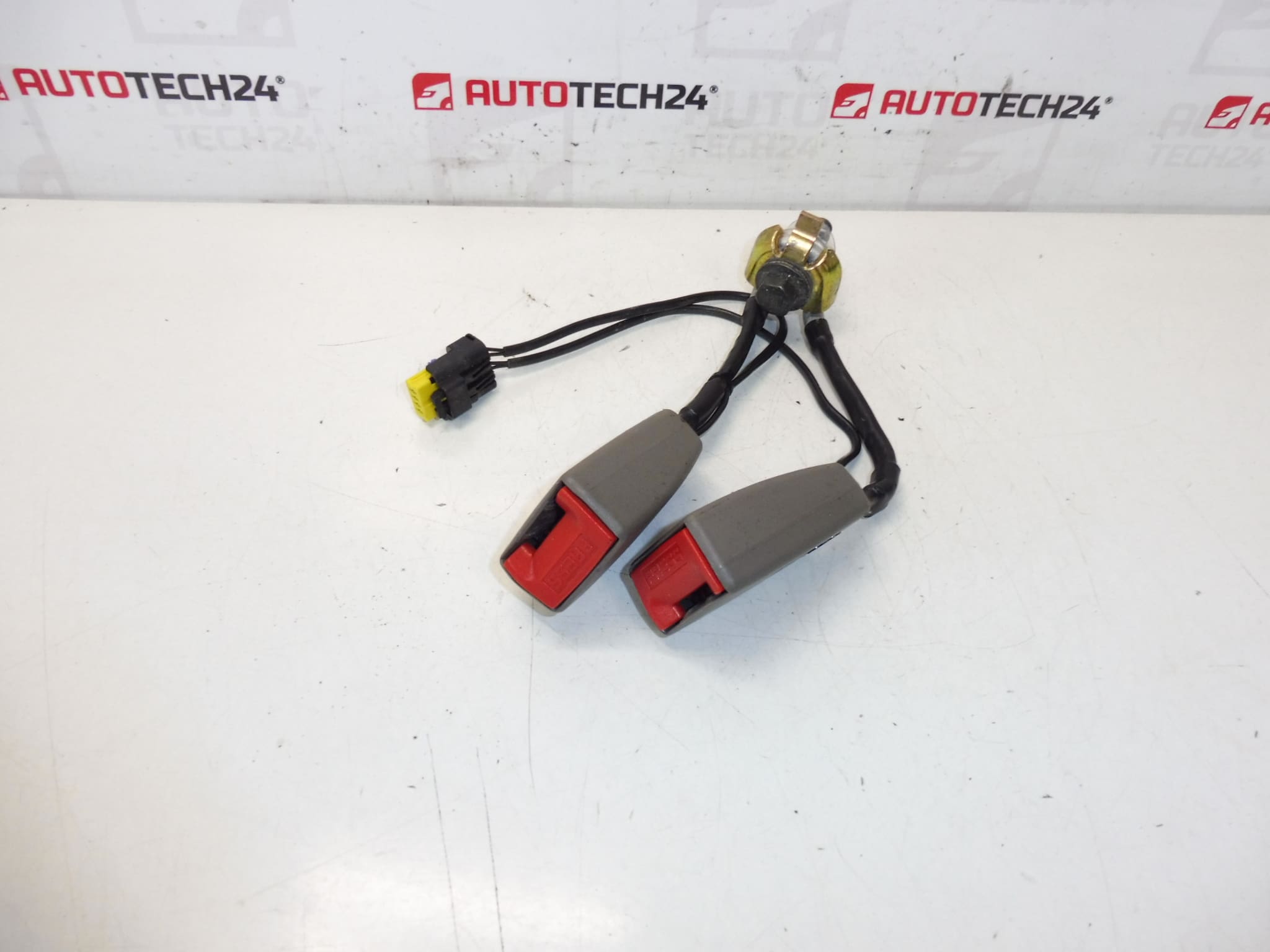
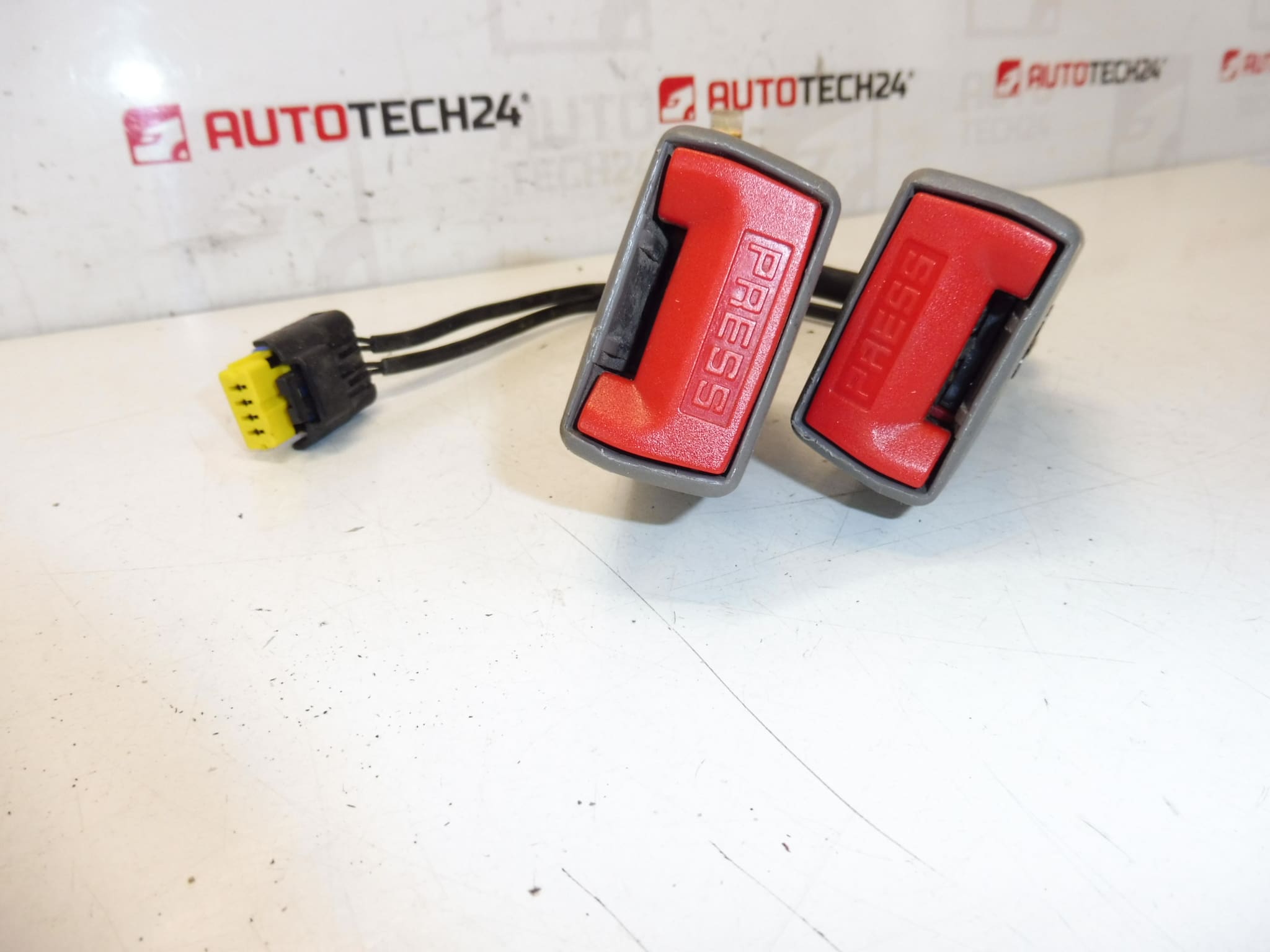
Double seat belt lock for CITROEN C5 II cars
Color FGW- – DIGIMAT
Rear left
Part description
This used seat belt lock is intended for Citroën C5 II cars and is a part that is important for the proper functioning of the seat belt. The product designation 8974W8 is essential when choosing, because it is by it that mechanics and home repairers often look for the right spare part.
The part corresponds to the design of the double seat belt lock. The advantage of the used original part is the preservation of the original design solution for Citroën and Peugeot cars within the Stellantis group. If you are looking for a replacement belt buckle to repair the interior and restore the functionality of the belt buckle, this is a practical choice to replace a damaged or non-functional piece.
Technical information
- Manufacturer: Stellantis Citroën Peugeot
- Model: Citroën C5 II
- Other numbers: 8974W8, NFP
Product codes
- Product codes: 8974W8
- Models: Citroën C5, Citroën C5 II
Installation recommendations
Generally/typically care must be taken when replacing the seat belt lock, as it is part of the vehicle’s safety system. The exact steps may vary depending on the specific car design and interior.
1) Before assembly
- Compare the new and original part by shape, fit, connector design and product number 8974W8.
- Check whether the used part is not mechanically cracked, deformed or excessively worn.
- Check the function of the latch – the belt must lock correctly after inserting the tab and release smoothly after pressing the button.
- Check the condition of the wiring and connector if included in the part.
2) Necessary tools and materials
- regular set of hand tools
- tools for dismantling interior plastics
- cleaning agent for contact and mounting surfaces
- torch or work light
- protective gloves
3) Step-by-step assembly procedure
- Secure the vehicle against movement and prepare a working space in the interior.
- In general, it is advisable to disconnect the vehicle’s power supply before work, if the lock is equipped with an electrical connection.
- Remove the necessary covers or parts of the interior that prevent access to the seat belt buckle.
- Disconnect the electrical connector, if the part is equipped with one, and check the condition of the contacts.
- Unfasten the original lock and carefully remove it without damaging the surrounding parts of the interior.
- Compare the dismantled piece with the spare part, especially the attachment, the length of the lead and the shape of the lock body.
- Place the replacement lock in its original place and ensure the correct position in relation to the seat and belt.
- Connect the connector, if present, and check that the connection is tight and free of play.
- Fix the lock and verify that it does not move beyond its natural range during normal handling.
- Reinstall all removed covers and interior parts.
- Try inserting and releasing the belt tab several times in succession.
- When finished, check that nothing is restricting the movement of the belt or the operation of the lock.
-
4) Post-assembly checks and test drive/function verification
- Verify that the seat belt is properly engaged without excessive force.
- Check that the unlock button works smoothly and without stuttering.
- If an electrical circuit is included, verify the correct operation of the related signals after connecting the power supply.
- During a short test drive, check whether the belt is comfortable to use and whether the lock holds firmly in the working position.
5) The most common assembly mistakes + how to avoid them
- Part replacement by appearance instead of number – always compare 8974W8 designation.
- Insufficient check of latch function – test mechanical engagement and release several times before final assembly.
- Damage to interior plastics during disassembly – use a suitable pry bar for the trim and work without violence.
- Poor wiring – make sure the wires are not pinched or stretched.
- Underestimation of the security function of the part – if the attachment or the body of the lock is visibly damaged, do not install the part.
Reasons why the part is damaged
- normal mechanical wear and tear during long-term use
- repeated rough fastening and pulling of the belt from the lock
- pollution of the mechanism with dust, crumbs or other impurities
- damage after an accident or sudden load on the safety system
- wear or damage to the electrical connector or wiring, if part of the part
- deformation of attachment due to unprofessional disassembly or assembly