Description
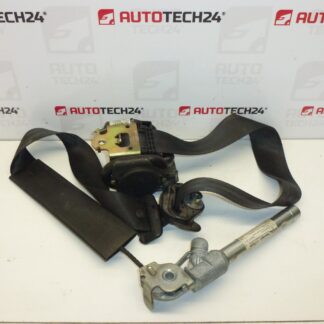
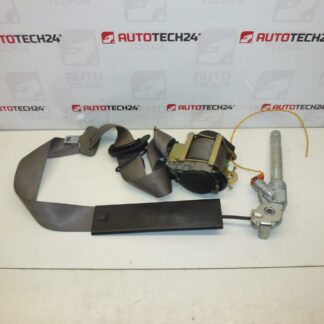
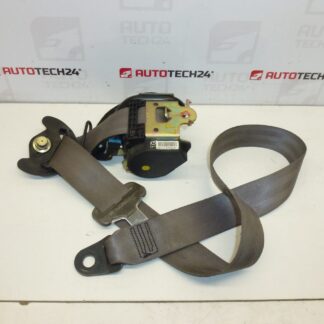
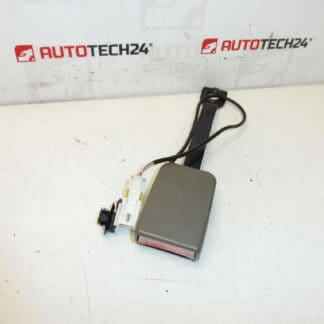
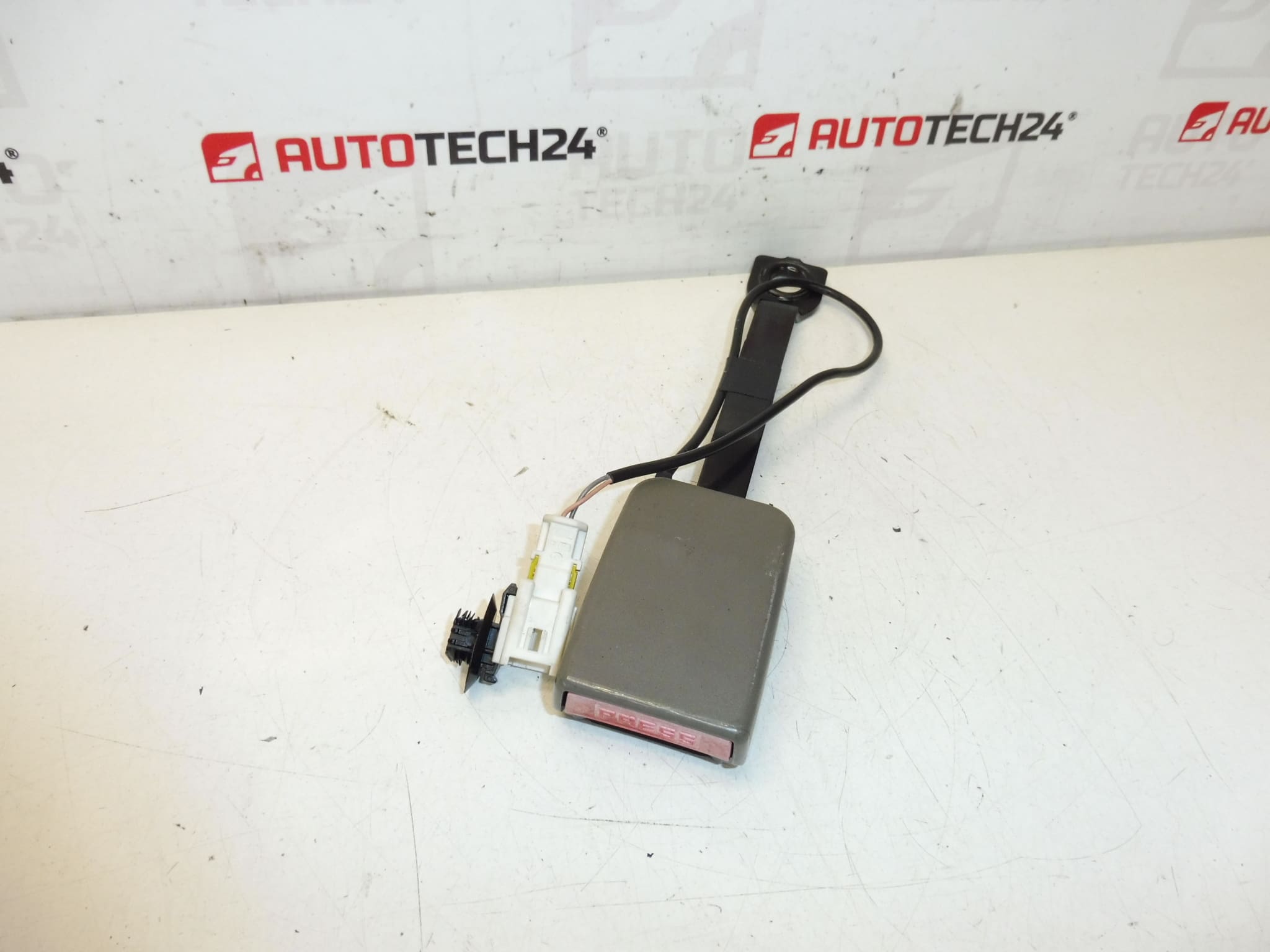
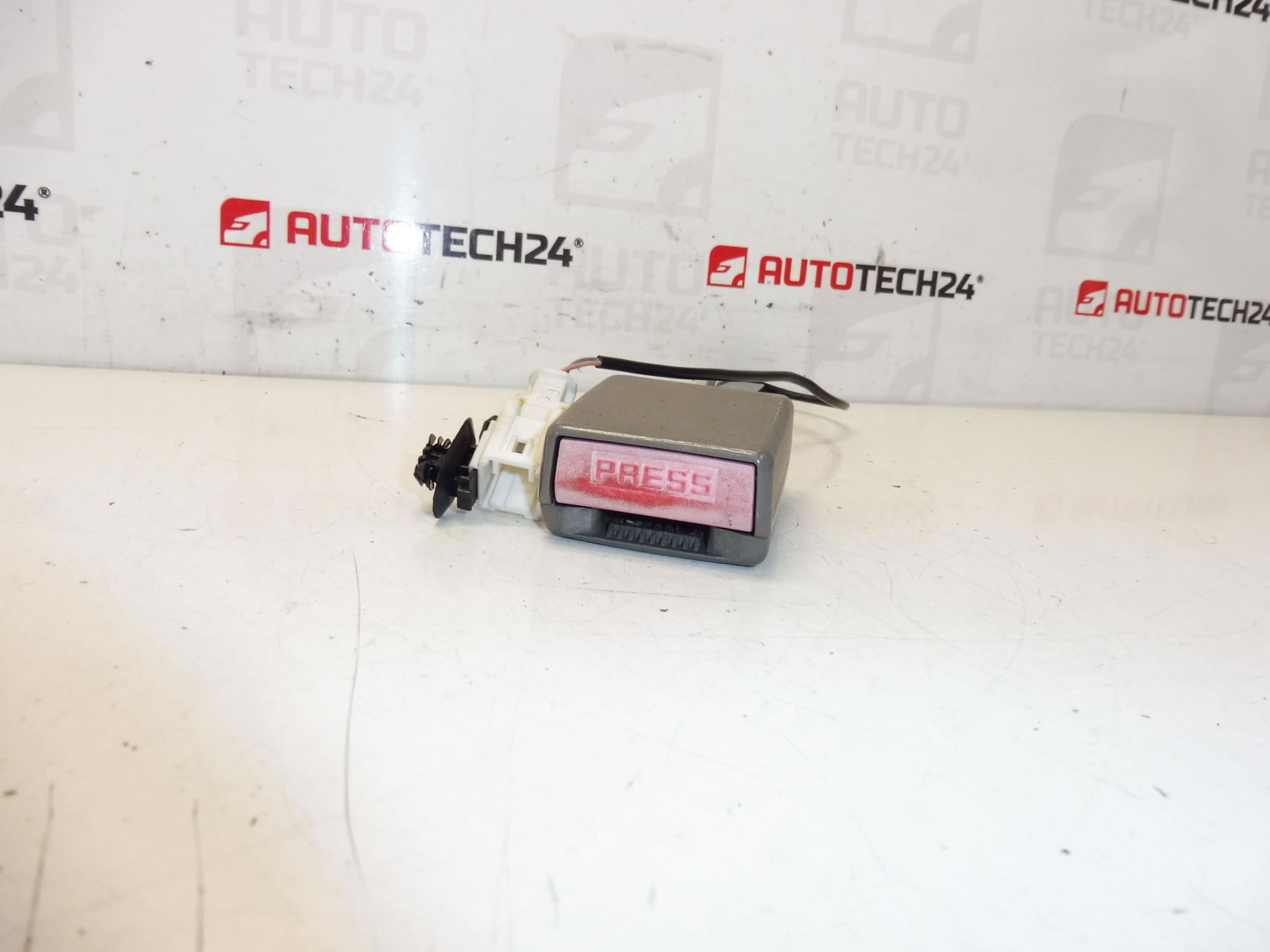
Seat belt lock for CITROEN C5 II cars
Driver and passenger seat
Color FGW- – DIGIMAT
Part description
The used seat belt lock 8973NX is designed for Citroën C5 II cars. It is an important interior safety part that serves to properly secure the seat belt while driving. Thanks to the designation FGW- – DIGIMAT, it is suitable for cars with this color and design of the interior according to the original equipment.
The part is usable for both the driver and passenger seat, which can facilitate replacement if the original lock is damaged. When looking for the right piece, the product number is key, so we recommend paying attention to the 8973NX label.
Technical information
- Manufacturer: Stellantis Citroën Peugeot
- Model: Citroën C5 II
- Other numbers: 8973NX, NFP, FGW- – DIGIMAT
Product codes
- Product codes: 8973NX
- Models: Citroën C5, Citroën C5 II
Installation recommendations
Generally/typically for this type of part, the exact replacement procedure may vary depending on the specific design of the seat and the interior of the car. It is important to be careful with the seat belt lock as it is a safety feature.
1) Before assembly
- Check if the part number 8973NX matches the original part.
- Compare the shape of the lock, the attachment, the length of the cable feed, if the part is equipped with it, and the design of the connector.
- Check the condition of the used part – there must be no cracked packaging, deformed tongue, damaged attachment or signs of unprofessional intervention.
- Test the mechanical function of the lock by inserting the corresponding belt buckle – operation should be smooth and secure.
2) Necessary tools and materials
- regular set of hand tools
- socket or torx keys depending on the car design
- plastic pry bar for removing interior covers
- contact cleaner and cloth
- protective gloves and sufficient workplace lighting
3) Step-by-step assembly procedure
- Park the vehicle in a safe place and secure it against movement.
- Disconnect the battery before starting work, especially if the lock is equipped with an electrical connector.
- Move or make the seat more accessible so that there is good access to the seat belt buckle attachment.
- Carefully dismantle any plastic covers that prevent access to the fixing of the part.
- Disconnect the electrical connector, if present, and check its condition and the cleanliness of the contacts.
- Unfasten the original lock and remove the old part.
- Compare the old and new part side by side – especially the fit, the shape of the lock body and the connector.
- Set the used lock in the correct position without straining the wiring or forcibly turning the part.
- Reattach the mount, making sure the lock is tight and not off-center with the seat.
- Connect the connector, if it is part of the design, and check that it fits properly.
- Refit all the covers and return the interior to its original condition.
- Connect the battery and perform a basic function check.
-
4) Post-assembly checks and test drive/function verification
- Try putting the belt on and off repeatedly.
- Check that the buckle in the lock holds firmly and releases in the standard way.
- Verify that the lock does not rotate, loosen or hit the surrounding parts of the interior when the seat is moved.
- If the part is equipped with a signaling function, also verify its correct response.
- After assembly, we recommend a short test ride and subsequent re-check of the fastening.
5) The most common assembly mistakes + how to avoid them
- Part replacement by appearance instead of number – always compare 8973NX designation.
- Assembly of the damaged piece – check the mechanical condition and function of the latch before installation.
- Inaccurate seating – the lock must be installed in a natural position without twisting.
- Damage to the connector or wiring – during disassembly and assembly, work carefully and without pulling on the wires.
- Skip the final check – after installation, always test the function of the belt several times in the normal operational movement of the seat.
Reasons why the part is damaged
- normal wear and tear from long-term daily use
- mechanical damage due to rough handling or forceful fastening of the belt
- pollution of the internal mechanism with dust and dirt
- damage after dismantling the seat or intervention in the interior
- deformation after an accident or heavy load on the safety system
- wear or damage to the electrical part of the signaling, if it is part of the part