Description
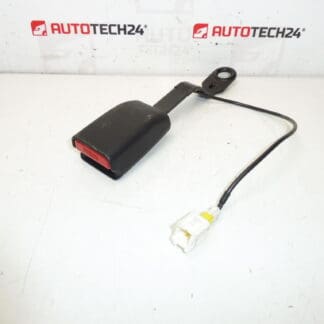
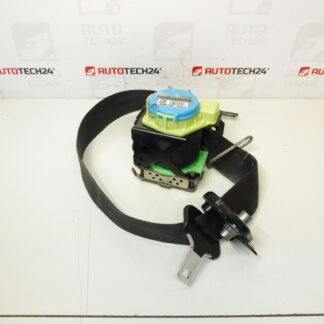
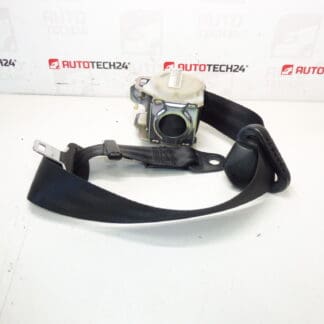
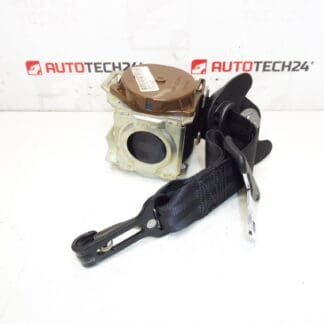
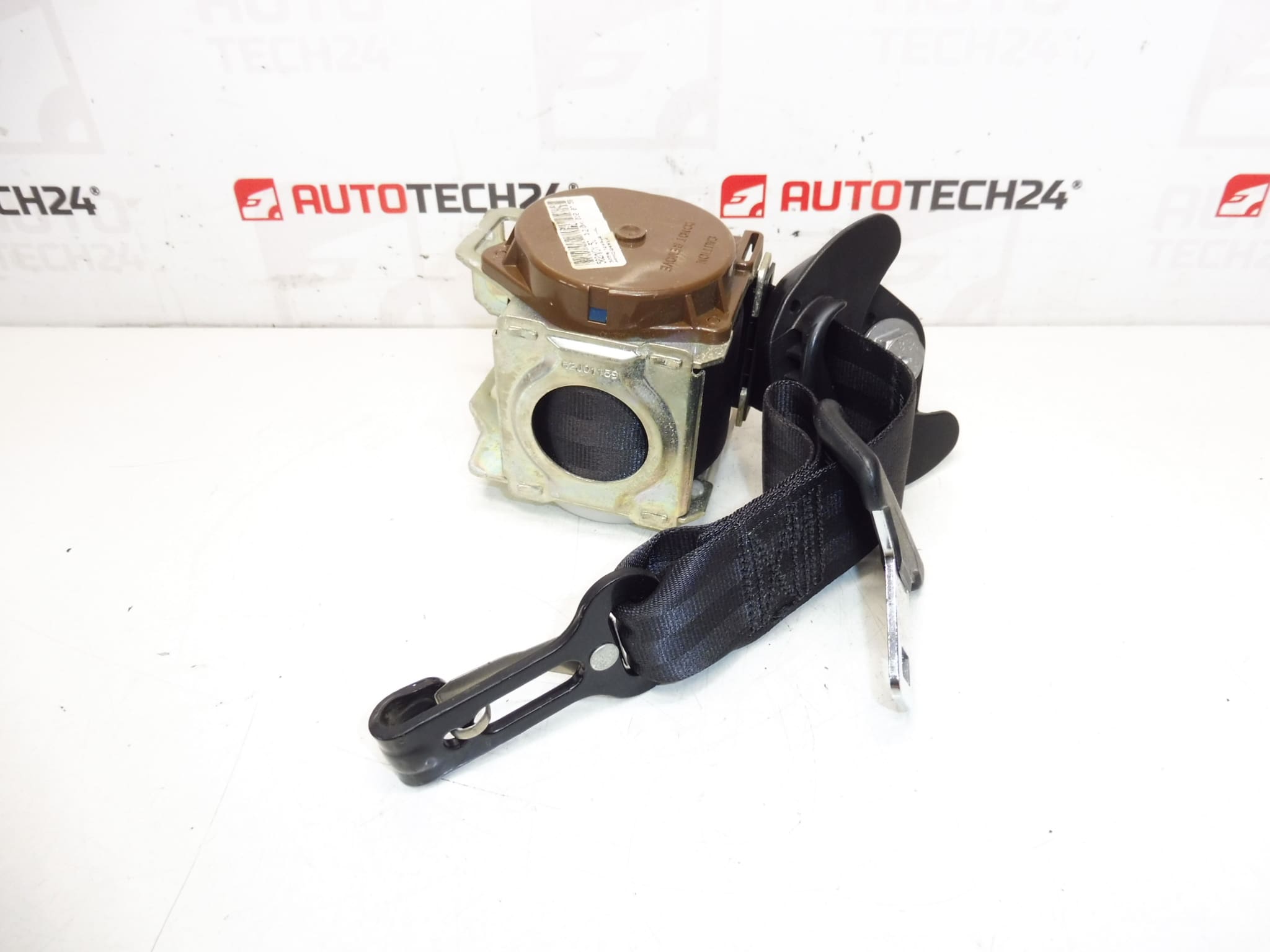
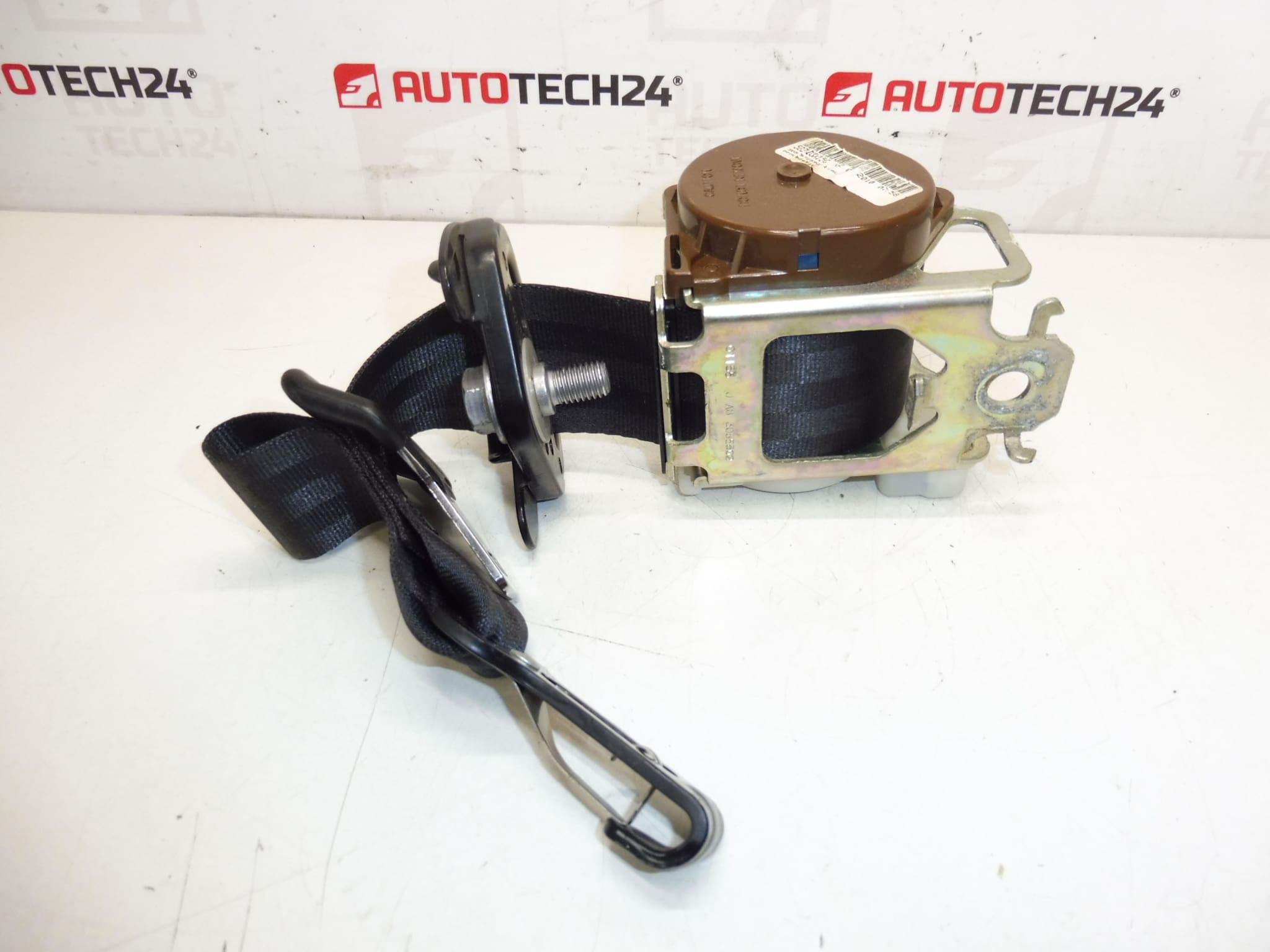
Seat Belt for Citroën C4 Grand Picasso — Right Rear Seat in the Third Row
High-quality replacement seat belt suitable for the right rear position in the third row of the Citroën C4 Grand Picasso. Designed for professional workshops and experienced DIY mechanics who require a direct-fit solution identified by original part numbers. This part restores occupant restraint functionality after wear, damage or following component failure in the rear seating area.
Technical Information
- Manufacturer: Stellantis / Citroën
- Model: Citroën C4 Grand Picasso (Third Row, Right Rear Seat)
- Product Codes: 9654454377
- Additional Numbers: 8974XT
Function And Typical Design
The seat belt secures the occupant in the event of sudden deceleration and helps control occupant movement. The system commonly uses an inertia reel to lock the belt during rapid deceleration and may be combined with seat belt buckles and sensors as part of the vehicle restraint system. Correct routing and secure fastening are essential for full protective function.
Common Failure Modes
- Webbing Wear Or Fraying: Prolonged use, contamination (oil/chemicals), or mechanical abrasion can damage the belt webbing and reduce strength.
- Retractor Jam Or Stiffness: Dirt, corrosion or internal wear can cause the inertia reel to stick or fail to retract smoothly.
- Buckle Or Latch Faults: Latches may fail to engage or release correctly due to dirt, deformation or internal mechanism wear.
- Pretensioner Deployment: In vehicles equipped with pyrotechnic pretensioners, a prior accident that deployed the pretensioner renders the belt unusable and it must be replaced.
- Fastener Corrosion Or Damage: Anchor bolts and mounting points can corrode or deform after impact, reducing retention capability.
Replacement And Installation
Recommended for professional mechanics and competent DIYers. Follow safe workshop practices and manufacturer procedures:
- Safety First: Disconnect the vehicle battery and wait the manufacturer-recommended time before working on restraint components to avoid accidental pretensioner activation.
- Remove Interior Trim: Carefully remove trim panels and seat cushions to access belt anchors and the retractor.
- Unbolt Anchors: Remove lower anchor bolts, seat-belt reel mounting bolts and any anchorage covers. Keep fasteners for reference or replace with equivalent-grade bolts if damaged.
- Replace Unit: Fit the replacement belt, route the webbing exactly as original, and secure all bolts.
- Tighten To Spec: Torque all mounting bolts to the vehicle manufacturer’s specified values using a calibrated torque wrench.
- Function Check: Ensure smooth retraction and locking under sudden pull. Check buckle engagement and release. Inspect surrounding trim for correct fitment.
Recommended Tools
- Ratchet and appropriate sockets/torx bits
- Trim removal tools
- Torque wrench (for final fastener tightening)
- Basic inspection lamp
Service Life And Inspection
Seat belts are durable but should be inspected during routine servicing or after any collision. Replace immediately if webbing is frayed, stitching is damaged, the retractor is not working smoothly, the buckle fails to latch securely, or if a pretensioner has deployed. Visual inspection at every annual service or whenever interior components are removed is recommended.
Installation Recommendations
- Always follow the vehicle manufacturer’s repair manual for disassembly and reassembly sequences and torque settings.
- Do not reuse damaged bolts or anchors; replace with equivalent specification hardware.
- After installation, perform a full functional check of the belt and surrounding restraint components before returning the vehicle to service.
Why This Part Fails Most Often
Rear seat belts most commonly fail due to mechanical wear (webbing abrasion, internal retractor wear), contamination (dirt, corrosive agents), or as a consequence of prior collisions that damage or deploy safety components. Proper maintenance, clean installation environment and replacing belts after impact significantly reduce the risk of failure.