Description
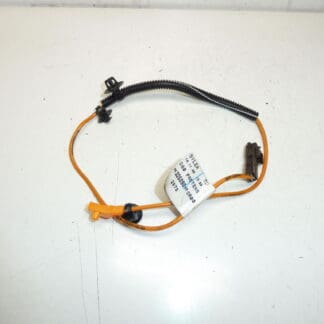
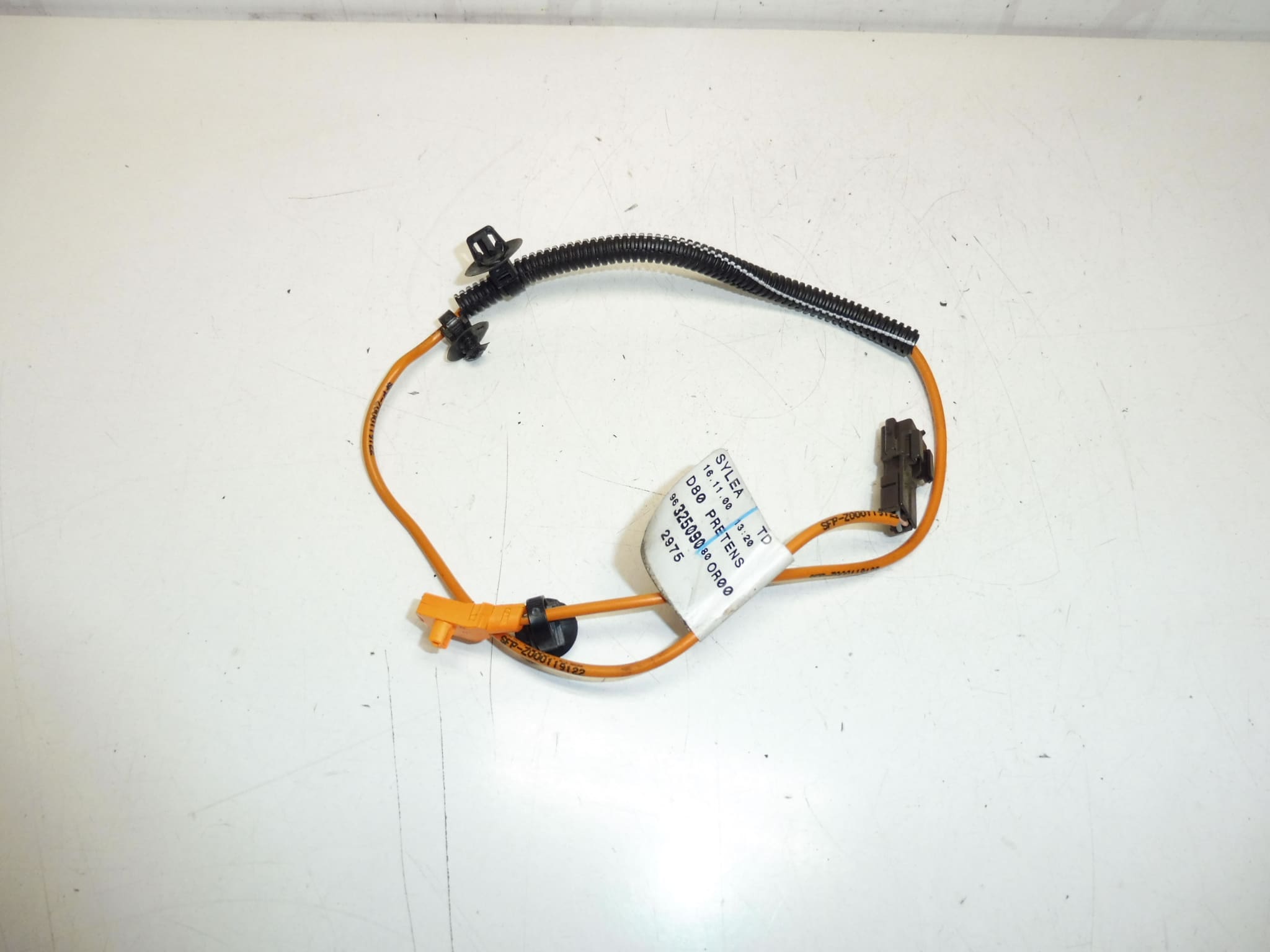
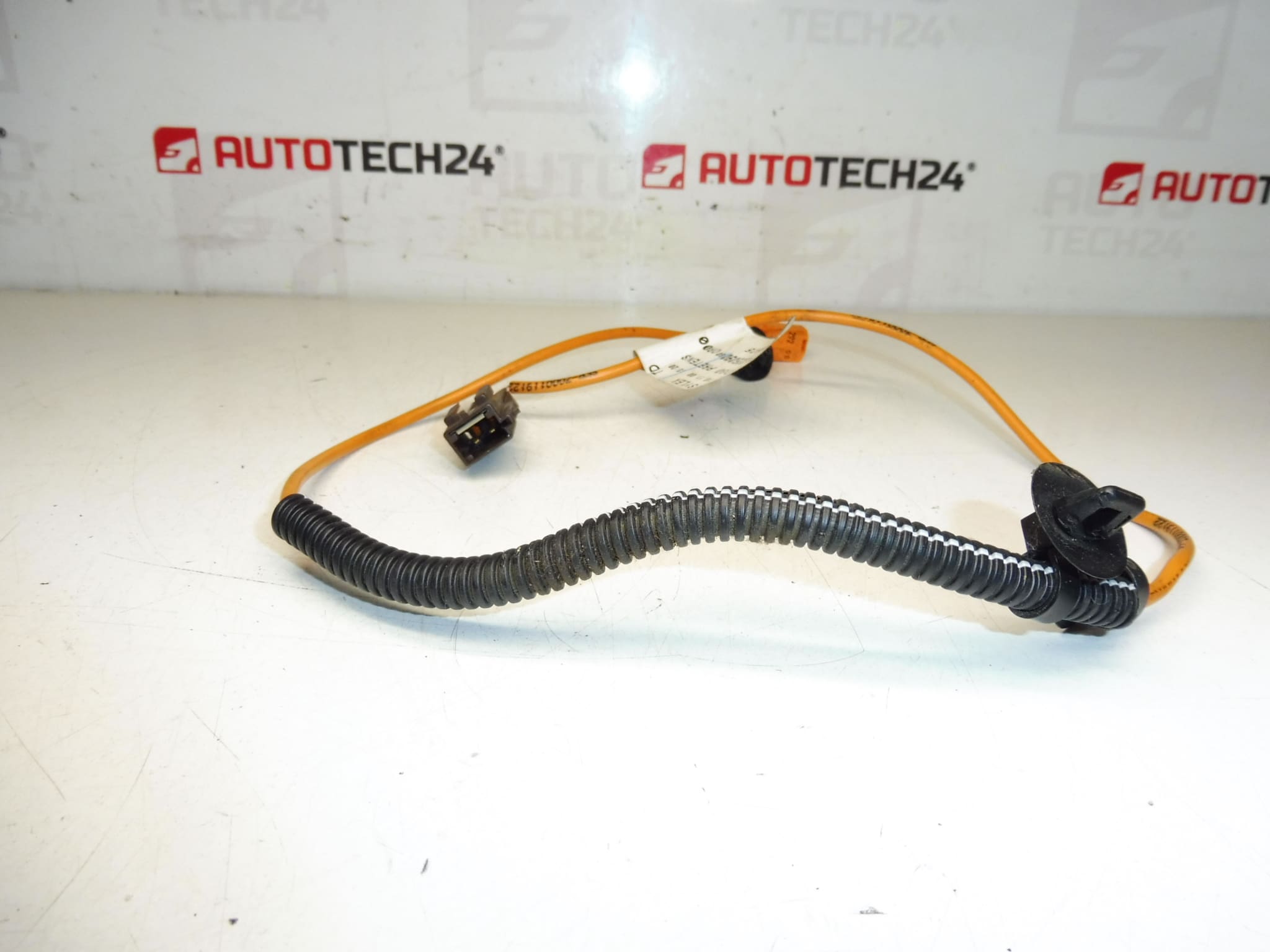
Seatbelt Switch Harness For PEUGEOT 406 Vehicles.
High-Value Replacement Seatbelt Switch Harness Designed For Mechanics And DIY Enthusiasts Working On Peugeot 406. This seatbelt switch harness (searchable By Product Codes 9632509080, 6514YW) Restores Reliable Seatbelt Buckle Detection, Ensuring Correct Operation Of The Seatbelt Warning System And Safety Electronics. Compact, Direct-Fit Design Makes It Suitable For Quick Replacement During Interior Or Safety System Repairs.
Function
The Seatbelt Switch Harness Connects The Buckle Switch To The Vehicle Wiring Loom. It Transmits The Buckle Status Signal To The Car’s Safety Electronics And Dashboard: Activating The Seatbelt Warning Light And Chime When Unfastened And Providing The Restraint System With Occupancy/Fastening Information Where Applicable. A Faulty Harness Can Cause Persistent Warning Lights, Fault Codes, Or Disabled Seatbelt Reminder Functions.
Compatibility
Designed For Peugeot 406 Models. Common Application Period: 1995–2004. Compatibility Is Typically Referenced By Product Codes 9632509080 And 6514YW — Customers Often Search Using These Numbers.
Replacement Procedure
- Disconnect The Battery Before Starting Work And Wait A Few Minutes To Ensure Systems Power Down.
- Remove The Relevant Interior Trim Panels Or Seat Mount Covers To Access The Buckle And Harness Routing.
- Unplug The Electrical Connector From The Seatbelt Buckle Switch And Release Any Clips Securing The Harness.
- Install The New Harness In The Same Routing As The Original, Avoiding Sharp Edges And Pinch Points; Secure With Existing Clips.
- Reconnect The Connector To The Buckle Switch, Refit Trim Panels, Reconnect The Battery, And Verify Seatbelt Warning Light And System Operation.
When And Why The Part Most Often Fails
Common Failure Causes Include Connector Corrosion, Broken Or Frayed Wires From Seat Movement, Damage After Seat Removal Or Accidents, And Water Ingress In Low Areas. Repeated Stress At The Bending Points Near The Buckle Plug Is A Frequent Cause Of Intermittent Or Permanent Open Circuits.
Installation Recommendations
- Follow Battery Disconnection Safety Procedures To Protect Airbag And Electronic Modules.
- Use Proper Trim Tools To Avoid Breaking Clips And To Prevent Damage To The New Harness.
- Route The Harness Exactly As The Original; Do Not Stretch Or Tighten Excessively.
- After Installation, Perform A Functional Check: Fasten/Unfasten Seatbelt To Confirm Warning Light, Chime, And Any Relevant Diagnostic Parameters Return To Normal.
- If Fault Codes Persist, Inspect Connector Contacts And Measure Continuity With A Multimeter Before Replacing Additional Components.
Diagnostics Tips
Quick Checks For Mechanics: Measure Continuity Across The Buckle Switch With A Multimeter While Operating The Buckle; Inspect Connector Pins For Corrosion Or Bent Contacts; Perform A Wriggle Test To Reproduce Intermittent Faults; Scan For Fault Codes Related To Seatbelt Buckle Or Restraint System After Reconnection.
Technical Information
- Manufacturer: Stellantis (Peugeot)
- Model: Peugeot 406
- Product Codes: 9632509080, 6514YW
- Other Numbers: NFP
Why Choose This Part
Designed To Replace A Faulty Or Damaged Seatbelt Buckle Harness Quickly And Reliably. Listing Product Codes Prominently Helps Mechanics And DIYers Find The Correct Part Fast. Proper Replacement Restores Safety System Feedback And Eliminates Annoying Warning Lights And Chimes, Giving Both Peace Of Mind And Compliance With Vehicle Safety Features.