Description
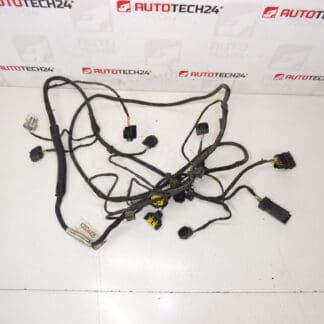
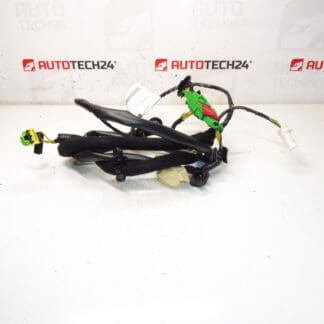
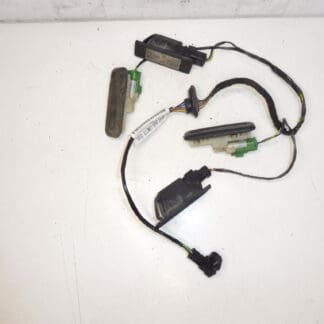
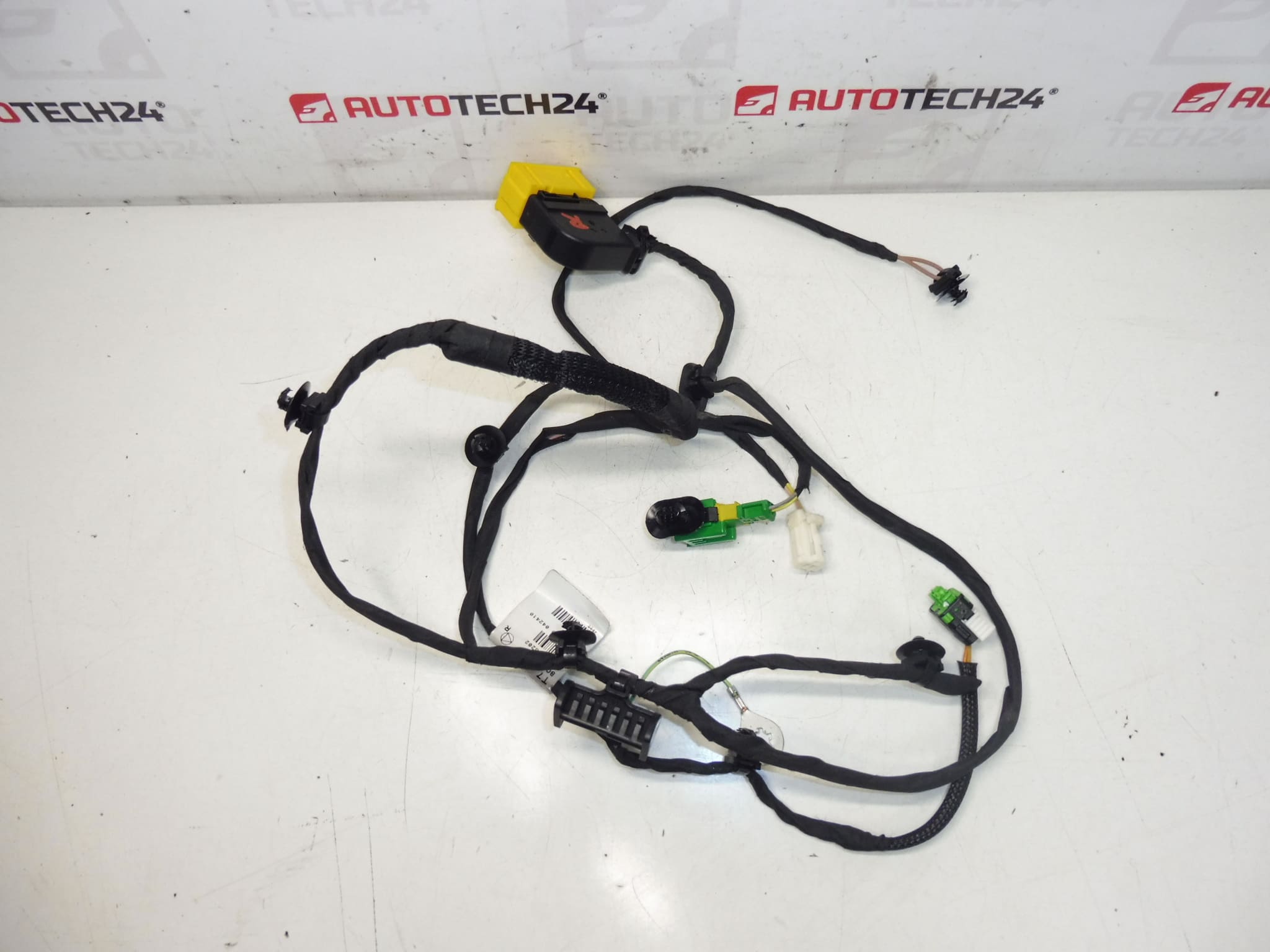
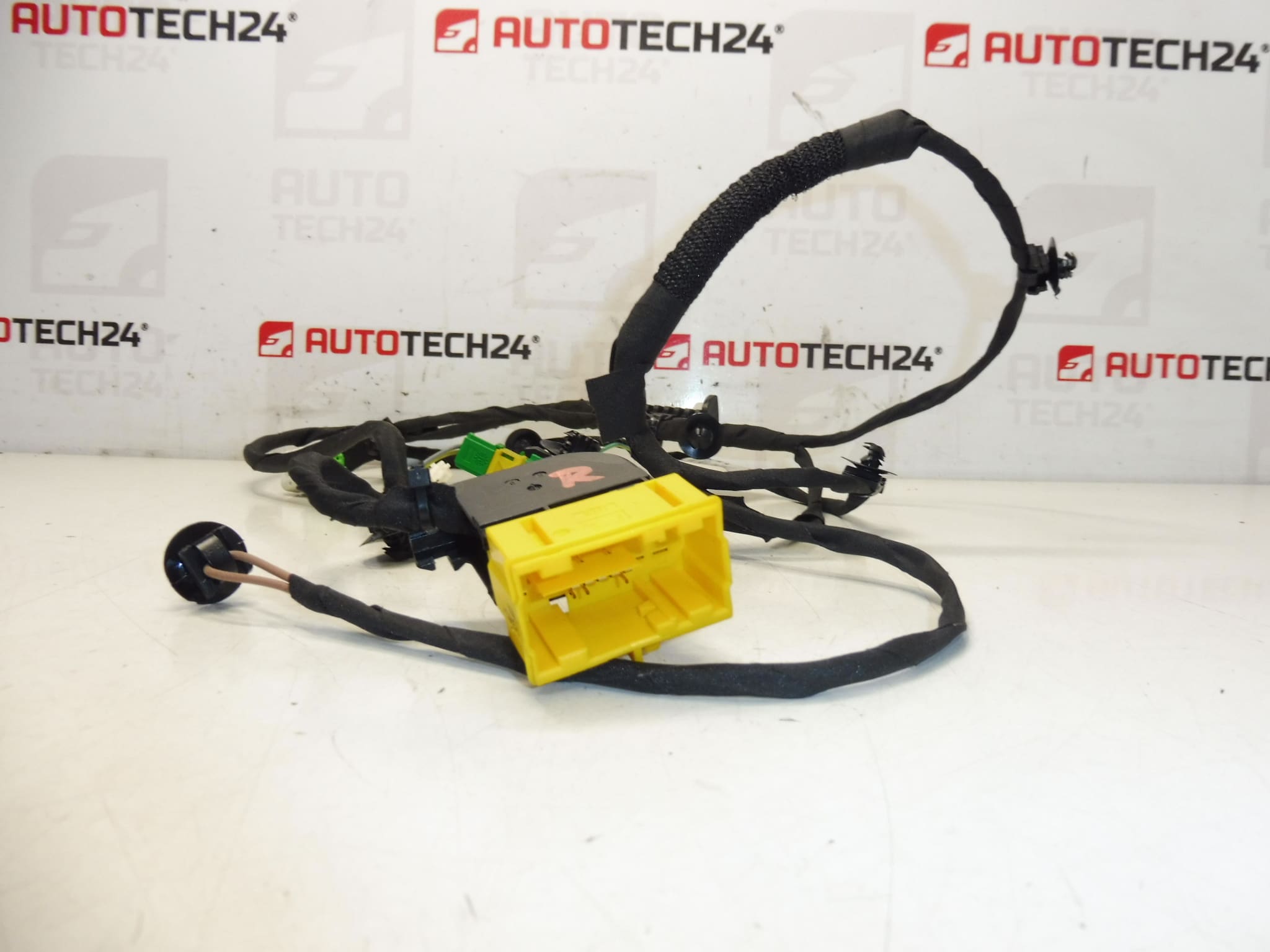
Complete front passenger seat wiring harness for PEUGEOT 308 T7
Product Overview
This complete front passenger seat wiring harness is intended for Peugeot 308 (T7) vehicles and restores all electrical functions related to the front passenger seat: seat position motors, heating elements, occupancy sensor (seat belt/airbag detection), and connector interfaces to the vehicle body loom. Frequently searched by product code, this part is suitable for professional workshops and experienced DIY mechanics who need a direct-fit replacement wiring loom to recover seat functions after damage, wear or accident impact.
Benefits
- Direct fit for PEUGEOT 308 T7 — designed to match original connectors and mounting points.
- Restores Seat Electronics — supports adjustment motors, seat heating and occupant detection circuits.
- Time-Saving Replacement — replaces damaged sections or complete harness without extensive splicing when compatible.
- Ideal For Repair Shops And DIYers — useful when original wires are crushed, corroded or cut during collisions or interior work.
Technical Information
- Manufacturer: Stellantis
- Model: Peugeot 308 (T7) – Front Passenger Seat
- Product Codes: 6509W1, 6509VW1
- Additional Numbers: N/A
Compatibility
Designed for the front passenger seat of Peugeot 308 with T7 platform. Confirm fitment by matching the part code and connector layout against the vehicle’s existing harness and seat plug positions. This harness addresses the wiring between the seat assembly and the body loom for standard equipment seats; check differences for sport seats, electric memory modules or special trim variants.
Installation Recommendations
- Safety First: Disconnect the vehicle battery before any work on seat electronics. Wait a minimum of 10 minutes after disconnection to allow capacitors and airbag systems to discharge.
- Seat Removal: Unbolt the seat from its mounting rails. Tilt the seat to access underside connectors and retainers.
- Connector Access: Carefully release clips and lock tabs; avoid forcing plastic latches to prevent connector damage.
- Routing And Securing: Route the harness following original cable clips and grommets. Ensure no wiring is trapped under bolts or in moving parts of the seat rail.
- Functional Check: After reconnecting the battery, verify seat adjustment motors, heating elements, occupancy sensor and airbag indicator. Cycle seat positions and check for any fault codes with a diagnostic tool if available.
- Use Appropriate Tools: Use trim tools for trim removal and torque specifications for seat fasteners according to manufacturer guidelines.
Most Common Failure Reasons
- Mechanical Wear And Abrasion: Repeated seat movement causes chafing at rail entry points leading to wire breakage.
- Corrosion From Spills Or Moisture: Liquid ingress can corrode connector contacts and wiring, impairing circuits such as heating or sensors.
- Accident Damage: Side impacts and seat removal during repairs often crush or sever harness sections.
- Connector Fatigue: Repeated unplugging or poor locking causes intermittent contacts and electrical faults.
- Rodent Or Environmental Damage: Chewed insulation or degraded sheathing can expose conductors and cause shorts.
Practical Tips
- Inspect Booted Areas: Pay attention to grommets where the harness passes through the seat frame and floor — these are typical failure points.
- Test Before Final Reassembly: Confirm all seat functions operate correctly before reinstalling trim panels and bolting the seat to the floor.
- Use Dielectric Grease: Apply a small amount of dielectric grease on electrical contacts to prevent future corrosion where appropriate.
Note
This is a used wiring harness sourced from the Stellantis parts range and is commonly identified by the product codes above. It is intended as a replacement for damaged or defective seat wiring on the Peugeot 308 T7.