Description
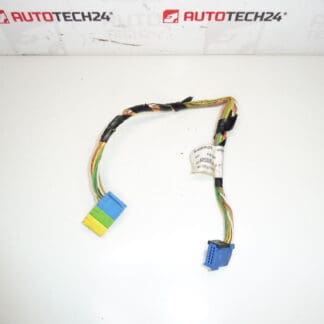
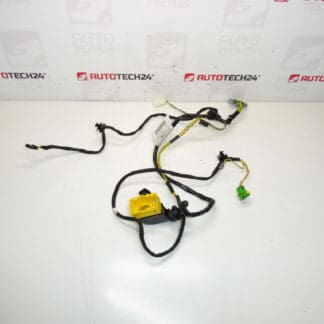
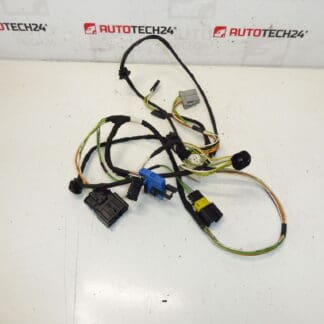
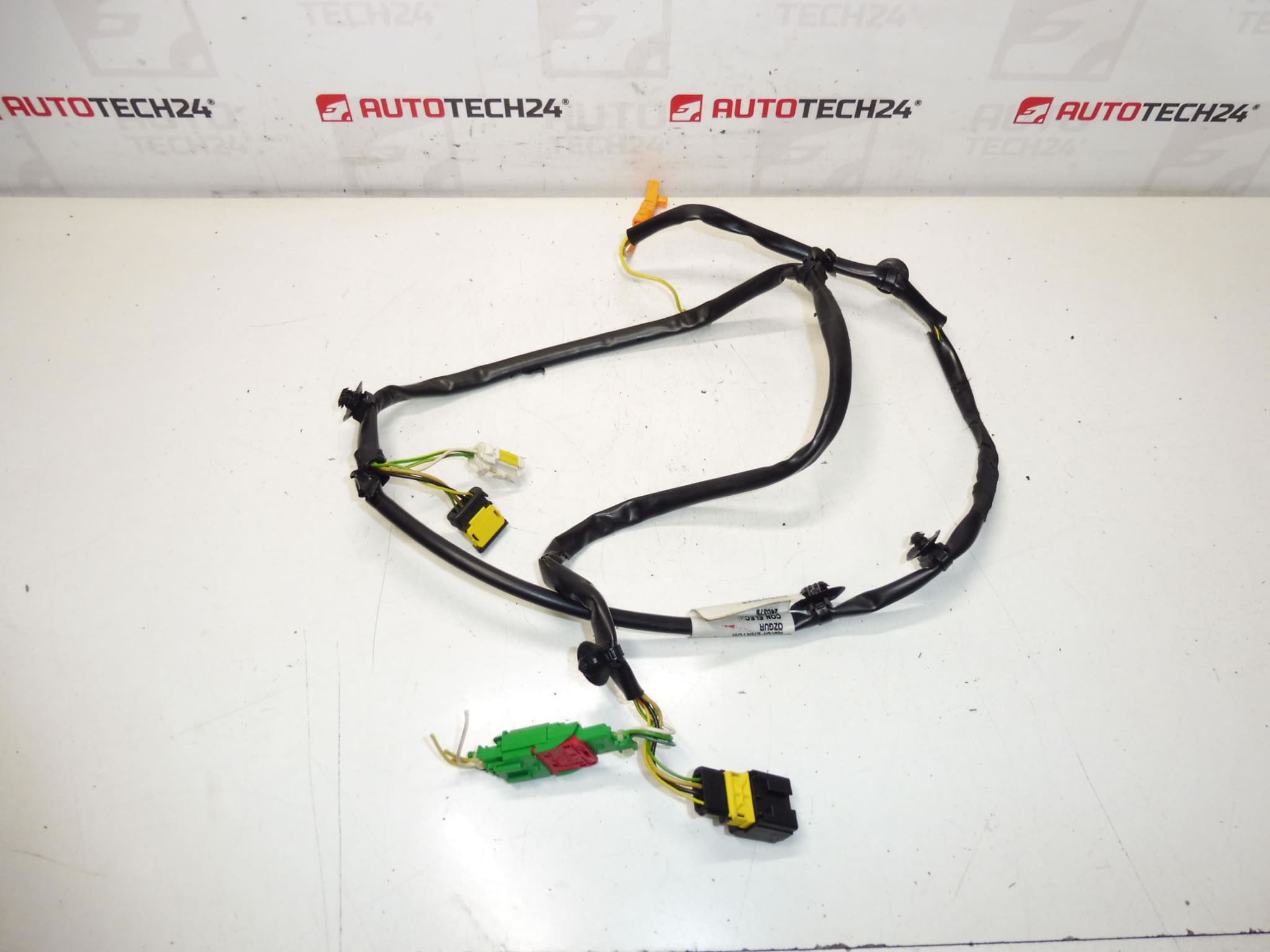
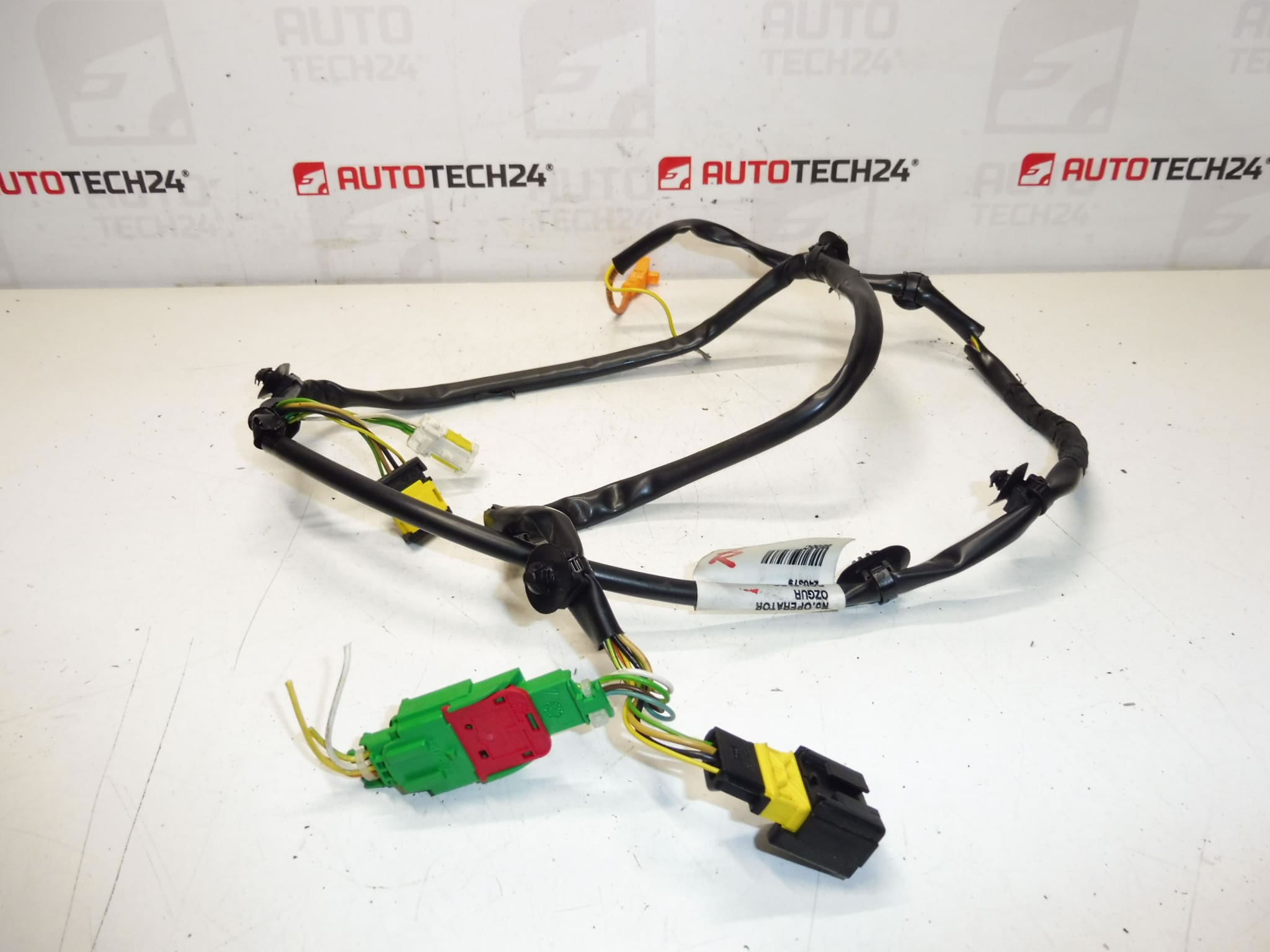
Complete front seat wiring harness. It is identical for left and right seats. For Peugeot 307 CC vehicles.
This complete wiring harness is designed for the front seats of the Peugeot 307 CC and replaces the factory loom that routes power and signals for seat adjustment motors, heating elements, occupancy sensors and safety systems. Ideal for professional workshops and DIY mechanics, the harness is supplied with original part codes for fast identification and fitment.
Key Benefits
Direct-fit replacement for easy installation, restores all electrical connections to the seat, eliminates intermittent faults caused by damaged or corroded wiring, and ensures correct operation of seat motors, heaters and occupant detection circuits. Listed OE numbers improve findability when searching by product code.
Technical Information
- Manufacturer: Stellantis (Citroën / Peugeot)
- Model: Peugeot 307 CC
- Product Codes: 9651080480
- Additional Numbers: 0520995800, 6533SQ
Function And Typical Applications
The harness links the seat control modules to the vehicle electrical system. Typical circuits carried by this loom include seat position motors, seat heating elements, occupancy/weight sensors and side airbag/seatbelt pretensioner connectors where fitted. Correct harness function is essential for safety-related circuits and comfort features.
Installation Recommendations
Before starting work, isolate the vehicle battery and follow airbag safety procedures to avoid accidental deployment. Typical replacement steps:
- Disconnect Battery And Wait (follow manufacturer guidance) to disable SRS circuits.
- Remove Front Seat (unbolt mounting fasteners and disconnect connectors).
- Unplug Old Harness Connectors And Note Routing; release clips securing the loom to the seat frame.
- Install New Harness Following The Same Routing; secure with original clips and ensure no pinching or tight bends.
- Reconnect All Plugs Securely, Refitting Any Retaining Clips; torque seat bolts to factory specification.
- Reconnect Battery And Verify Function: check seat adjustment, heater operation and that no warning lights remain on.
For safety-related circuits (airbag, pretensioner) inspect connector pins for corrosion and ensure secure locking tabs. Use a diagnostic tool after installation to clear any stored fault codes if necessary.
Reason Why This Part Most Often Fails
Seat wiring looms are subject to continuous flexing and mechanical wear as the seat moves. The most common failure causes are abrasion at pivot points, broken wires due to repeated bending, corrosion of connector pins from moisture ingress, and physical damage from seat removal or previous repairs. Intermittent faults often present as non-functioning seat heaters, loss of power to adjustment motors, or SRS/airbag warning lamps related to occupant detection circuits.
Choose this OE-coded harness to restore reliable electrical function to the front seats of your Peugeot 307 CC and reduce diagnostic time in the workshop. Fast identification by product code makes ordering and stocking straightforward for professional use.