Description
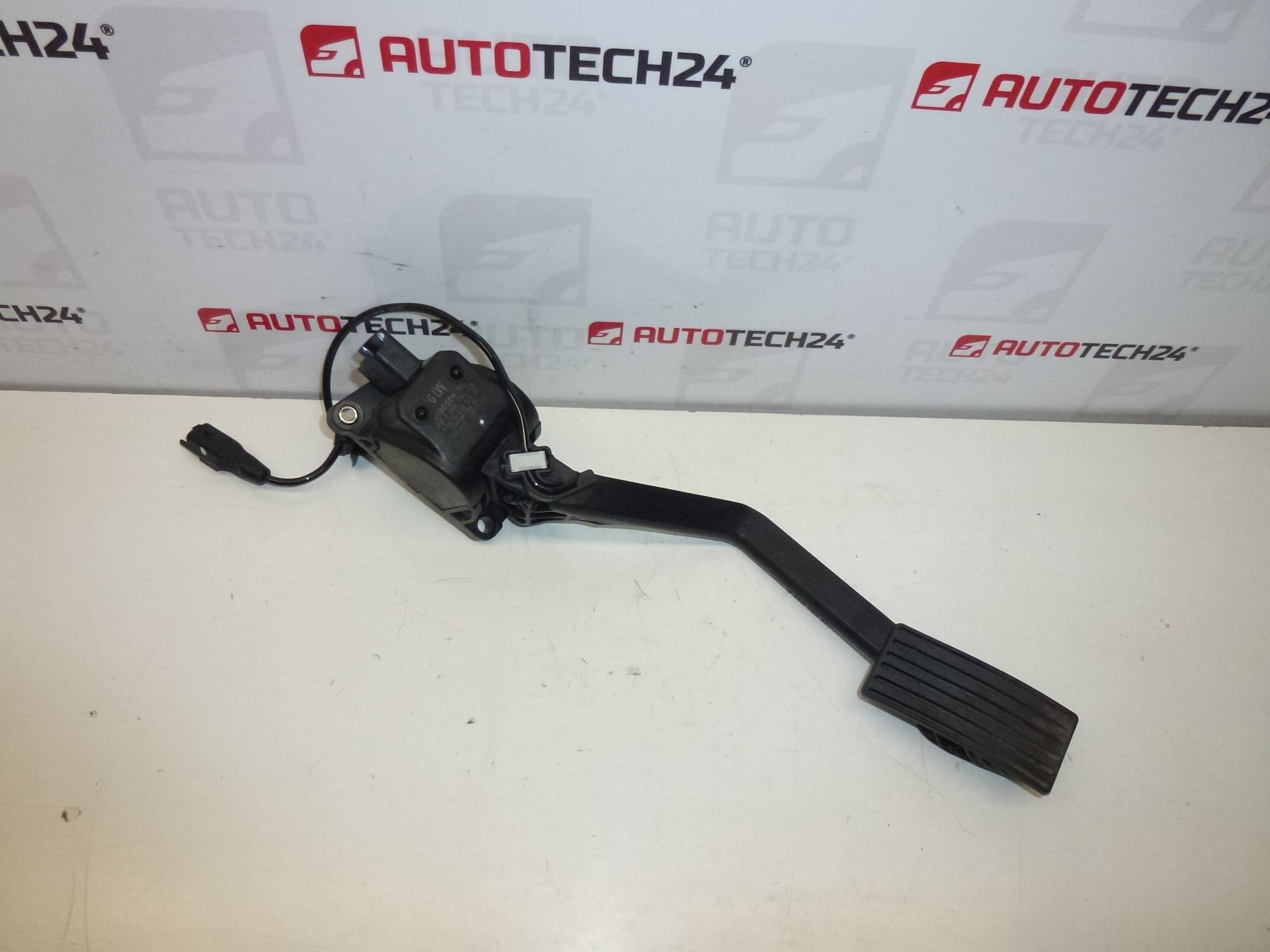
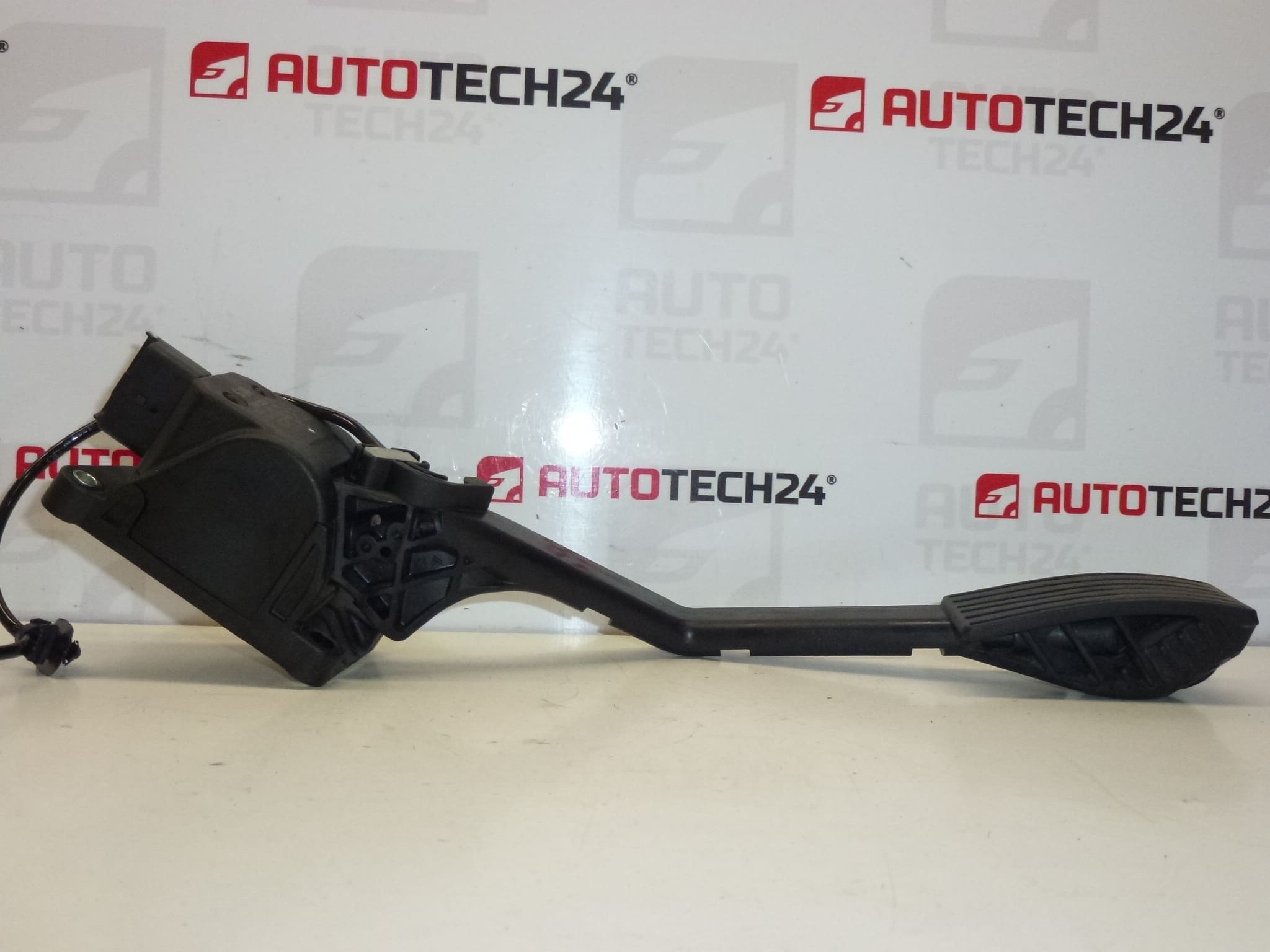
Accelerator pedal for Citroën C5 III and Peugeot 407
This accelerator (throttle) pedal assembly with integrated position sensor is intended for Citroën C5 III (X7) and Peugeot 407 drive-by-wire systems. It translates the driver’s foot movement into an electrical signal for the engine control unit, ensuring precise throttle response. Commonly searched under OEM and supplier codes, this part is suitable for professional garages and skilled DIY mechanics who repair modern electronic throttle systems.
The unit contains an electronic sensor (potentiometer/position sensor) and a robust mounting bracket designed to meet the mechanical and electrical requirements of Stellantis vehicles. Replacing a faulty pedal restores smooth throttle control, eliminates hesitation or limp-home behavior, and removes related engine warning lights caused by inconsistent pedal signals.
Technical Information
- Manufacturer: Bosch / Stellantis References
- Model: Citroën C5 III (X7); Peugeot 407
- Product Codes: 9685216080; 0280755125
- Additional Numbers: 1601Z0; 1601EK; Stellantis OE References
Installation Recommendations
- Safety First: Disconnect the vehicle battery before starting work to avoid accidental short circuits or airbag deployment risks.
- Access: Remove lower dash panels or trim around the pedal box to gain clear access to the pedal assembly.
- Disconnect Electrical Connector: Unclip the wiring harness connector from the pedal sensor. Avoid pulling on wires; press the locking tab and pull the connector housing.
- Remove Fasteners: Unbolt the pedal assembly from its mounting points. Keep fasteners for re-use if they are undamaged, or replace with manufacturer-specified hardware.
- Fit New Unit: Install the new pedal in the correct orientation, secure bolts to the manufacturer’s torque recommendations, and reconnect the electrical connector until it clicks.
- Calibration: After installation, perform throttle adaptation or relearn procedure according to the vehicle’s service manual or using a diagnostic tool to ensure correct idle and throttle mapping.
- Final Check: Reinstall trim, reconnect the battery, start the engine and confirm normal throttle response. Verify there are no warning lights and that the pedal travel is smooth.
Why This Part Commonly Fails
- Sensor Wear: The internal potentiometer or electronic sensors degrade over time, causing inaccurate position signals.
- Contamination: Dirt, moisture, or corrosion can enter the sensor area or connector and lead to intermittent or permanent electrical faults.
- Mechanical Stress: Repeated heavy use, impacts, or misapplied force can bend or damage the pedal mechanism or return spring.
- Wiring And Connector Issues: Chafed wires, poor ground, or loose connectors produce erratic signals that mimic sensor failure.
- Electrical Failures: Internal electronic component failure or water ingress can render the sensor inoperative.
Typical Symptoms Of A Failing Pedal: Engine Goes Into Limp Mode, Reduced Or Erratic Throttle Response, Hesitation Under Acceleration, Check Engine Light Related To Throttle/Pedal Signal, Or A Pedal That Feels Loose Or Doesn’t Return Smoothly.
Frequently Searched Part Numbers: 9685216080, 0280755125, 1601Z0, 1601EK. If You Recognize These Codes From Your Vehicle, This Accelerator Pedal Assembly Is A Direct Replacement Option To Restore Reliable Throttle Control.
Order this accelerator pedal assembly to ensure accurate throttle feedback and dependable drivability on Citroën C5 III and Peugeot 407 models. Suitable For Professional Installations And Experienced DIY Repairs.